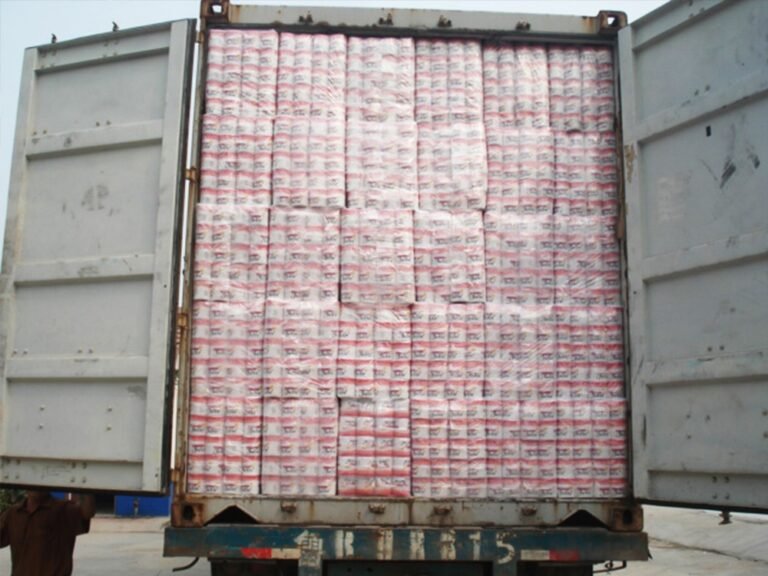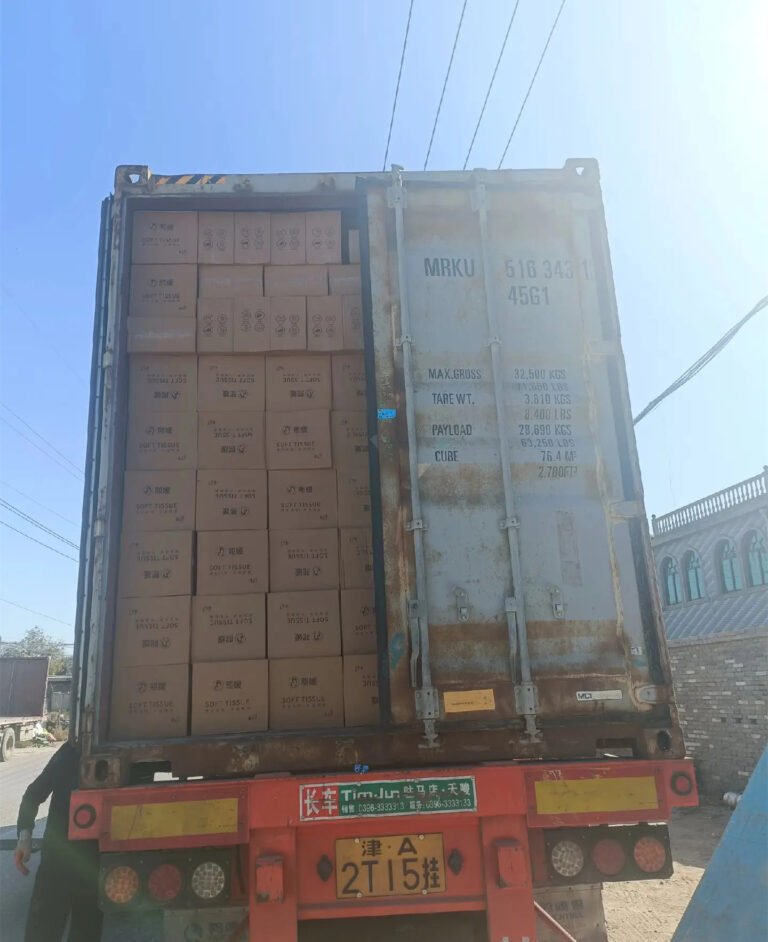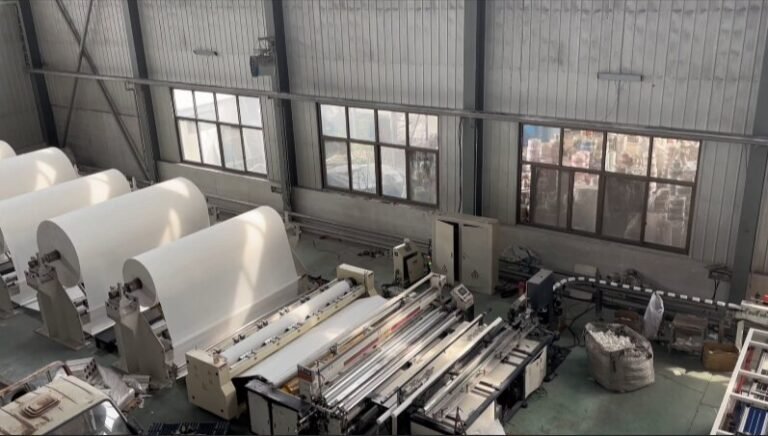
Every tissue paper wholesaler’s company page says some version of the same sentence – “we have a strict quality control system” – and the phrase has been emptied of meaning by exactly that repetition. One line above it, the same profile might claim tens of thousands of square metres, three-figure headcount and a decades-old certificate number, none of it falsifiable from your desk.
Related: the eight paperwork artefacts that back up a QC evaluation.
Here is the counterintuitive part that experienced importers learn once: the factory photos and the floor area are the least useful signals on the page. A wholesaler’s real depth shows up in three places nobody decorates for marketing – the specificity of their QC language, the documents they volunteer before you ask, and the structure of their payment terms. This article turns those three into an evaluation method you can run in an email thread.
Key Takeaways
- Capacity is hours arithmetic – reels, lines, shifts, run rate – not floor area; ask what one shift converts into and watch what the answer avoids.
- A real QC system arrives named and measured: gates with positions in the process and measurements at each – not a team adjective. What each gate exists to catch is the part suppliers never volunteer.
- Third-party inspection practice runs on ISO 2859-1 AQL sampling – in more than 95% of cases, per the inspection trade’s own documentation – with general inspection Level II as the default level.
- The documentary chain is the audit: physical-index COA, test video, packing photos, and a container-seal video released before the balance payment, not after.
- Payment structure encodes confidence: a 30% deposit against 70% released on QC report and seal video keeps verification on the buyer’s side of the table; terms reversed or unmentioned hands it over.
- Trial discipline beats diligence: a shared 20GP of white-label goods tests a wholesaler across several formats before any custom-print 40’HQ commitment.
- The Factory-or-Trader Test Nobody Prints
- Capacity Is an Hours Question
- What a Real QC Flow Sounds Like
- AQL Literacy in One Paragraph
- The Document Chain Is the Audit
- Five Questions That Separate Suppliers
- Trial by 20GP Before Commitment
- FAQ
- Evaluate the System, Not the Sentences
The Identity Question, And How To Hear The Answer
Whether a tissue wholesaler is a real mill or a rebate trader has already been worked as a verification sequence – pulps, licences, factory video, audit – in the ten-step China sourcing guide, and this article is not going to re-issue that checklist. What the checklist cannot tell you, and what evaluation actually turns on, is the shape of the answer you get back when you run it. Three listening tests separate the field.
Products Versus Inputs
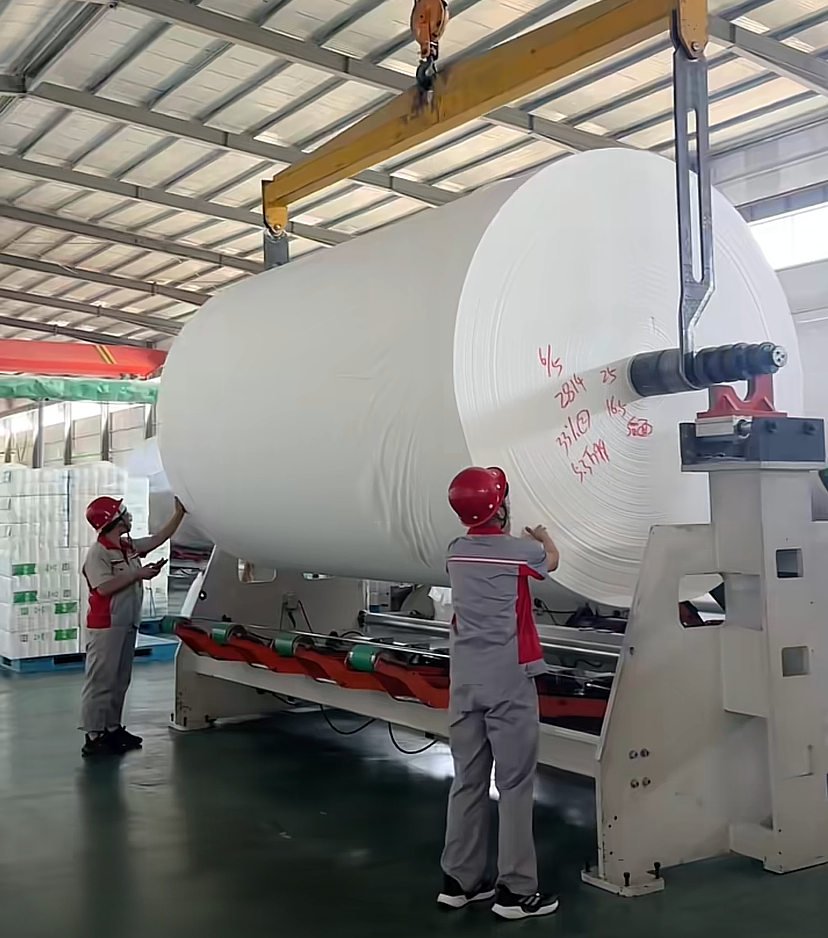
Ask any technical question and count how the respondent escalates. A trader answers in catalogue language – grades, packaging, prices – because that is the layer they own. A producer answers upstream of it: reels, furnish, the district they sit in. This plant’s own answer to the pulp question is 100% virgin wood pulp with a long/short fibre blend, and the reason that is a verifiable claim rather than an adjective is that the COA carries a virgin-fibre verification line. Daceying in Baoding, Hebei is a producing cluster, not a mailing address; traders float anywhere cheap.
Adjectives Versus Verbs
The same listening applies to quality talk. “Strict QC, professional team” is an adjective stack – it has no objects and no positions in a process. A producing wholesaler names what is measured, at which stage, and what fails the test. That distinction is the whole of the next section, and it costs nothing but attention.
Optimism Versus A Schedule
Ask a date-dependent question – can a 40’HQ land before your peak season – and notice whether the answer is a scheduling conversation or a vibe. Factories negotiate in shifts; agencies negotiate in hopes. This mill’s published calendar is 1-3 working days to samples, 25-30 working days first production with packaging pre-press inside it, 20-25 on reorders; a supplier whose answer to a date question contains no numbers has told you what they are.
Capacity Is an Hours Question
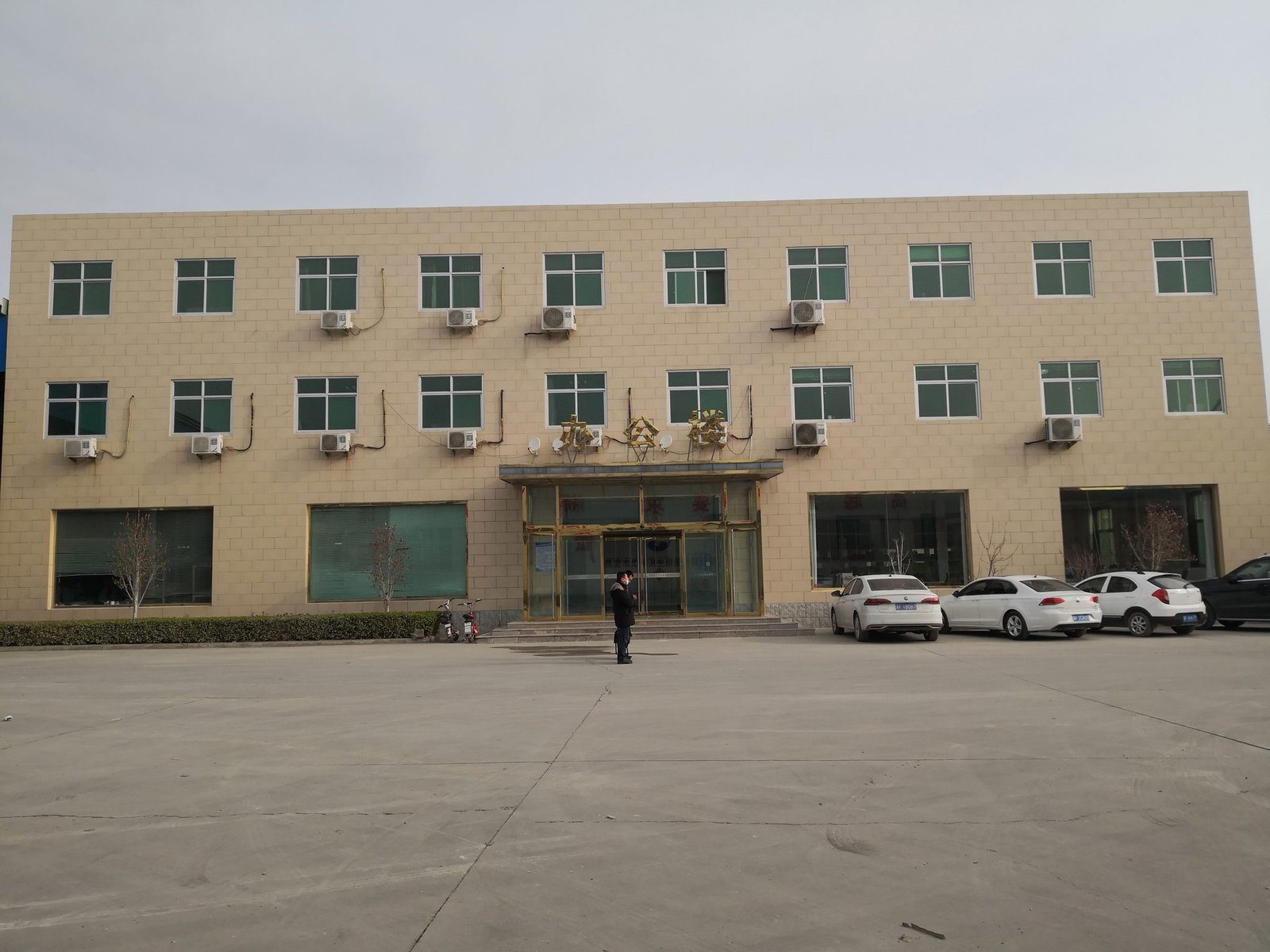
Floor area, employee count and “large production capacity” are the three phrases that say nothing, and they are what company profiles lead with. Capacity that means something is a product: output per line-hour, times lines, times shifts, times the days they actually run before peak season queues.
The Questions That Work
Ask a wholesaler how many containers they dispatched in their peak month last year and how they staffed the difference against an average month. Ask what happens to a 40’HQ order placed two months before a market’s restocking season – a real plant answers with a scheduling conversation; a broker answers with optimism. Ask what one rewind line produces per shift and whether the number changes with format. You will rarely get clean figures; you are listening for whether the respondent thinks in shifts and reels at all. Lead-time composition is the same test in miniature: this plant’s published window is 25-30 working days for a first run with packaging pre-press inside it, and 20-25 for reorders – numbers that only mean something because the calendar is stated per stage.
Capacity Claims and Your Own Denominator
A supplier’s capacity is irrelevant until divided by your requirement. Write your own number first – cases per month per format, with a peak-season multiplier – and carry it into every conversation. A wholesaler who cannot compress their first-run calendar around a stated number you can verify against their reorder rhythm is describing a workshop, not a supply chain.
What a Real QC Flow Sounds Like
Here is the evaluation in one move: ask a supplier to describe their quality control without using the word “strict.” What comes back is either a process or a slogan.
A process answer has gates, positions and measurements. The mill here runs a named three-gate chain – the individual checkpoints inside it are already documented in the sourcing guide’s QC step and the container-loading packing guide, so they are not re-listed – but the layer nobody else publishes is why each gate exists: the fibre and whiteness fraud that surfaces in your market six weeks too late is caught at reel-in; the grammage shave and perforation drift that happen between orders are caught at patrol; the packing that survives a warehouse but not a forklift is caught at the final gate. A supplier can quote you three gates from a brochure; ask what each gate is for, and the answer either has failure modes in it or it does not.
Compare that with the slogan genre (“we have a professional QC team, from raw materials to finished products, strictly controlled”). Nobody who runs a line writes like that when asked open-ended, because the specific measurements arrive first. The same specificity test applied to one product line’s claims – wet strength on kitchen towel – is worked as a practical example in the guide to vetting paper towel manufacturers.
AQL Literacy in One Paragraph
You will not run your own sampling on a container of tissue, but the vocabulary decides whether your inspection clause means anything. Acceptance quality limit (AQL) sampling is the statistics of lot-by-lot attribute inspection: how many units to pull, and at what defect count the lot passes or fails. The practice standard is ISO 2859-1, which the inspection trade documents as the basis for more than 95% of third-party random sampling, and the default entry point within it is general inspection Level II at normal severity – the level a quoted inspection defaults to unless someone chose otherwise. Inspection houses from QIMA downward run their people on those tables and their national equivalents.
What a buyer actually does with this: write the standard into the PO – “pre-shipment inspection per ISO 2859-1, general level II, normal severity, single sampling” – and define the AQL separately for critical, major and minor defects rather than accepting one blended number. Then ask the wholesaler which side pays if a lot fails. The quality of that answer tells you more about their real QC than any brochure section.
The Document Chain Is the Audit
Documents are where the trust trade separates. Four artefacts, in order of appearance, tell you almost everything:
One: the COA. A physical-index certificate covering tensile strength, brightness and virgin-fibre verification ships with goods here – the buyer’s move is to check that it names the batch stencilled on the cartons, not a generic grade.
Two: the test video. A wet-strength and dust test pack filmed on the actual production, not a stock demonstration; ask for the current week’s file before shipping and archive it as the baseline every later arrival gets compared against.
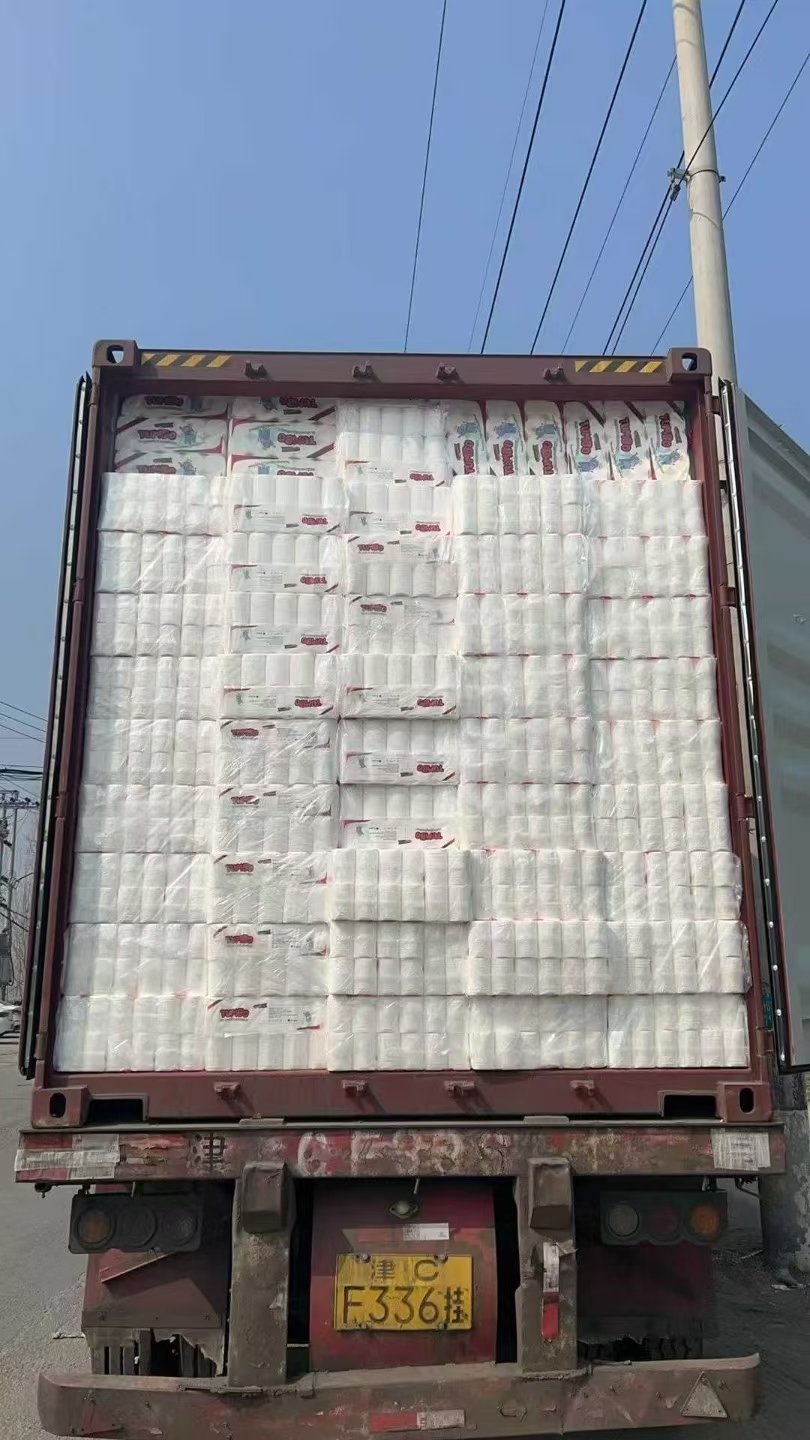
Three: the packing evidence. Loading and moisture-proof packing photos – thick moisture-proof corrugated, fumigation-free pallets, strapping pattern, container seal checks – which the container loading and moisture guide unpacks line by line; here the evaluation question is simply whether the wholesaler generates them as routine or produces them as favours.
Four: the payment map. This plant’s structure is 30% T/T down and 70% before shipment against QC report and seal video. The sequence matters more than the split: documents gate money, in that order, every order. A wholesaler whose terms are deposit-light and balance-after-BL either has cash-flow problems or is describing an agency relationship where somebody else – a factory, a trader, a middle – carries the risk. Neither answer is bad; not knowing which you have is.
Video: “Precision Manufacturing for Unmatched Quality Toilet paper”, Top Source Paper own channel. Production-line footage from the mill; it is documentation of the line, not a staged audit walkthrough.
Five Questions That Separate Suppliers
The evaluation compresses into a five-line email. What matters is not politeness but architecture: each question forces a different class of answer, and the red flags are the evasions.
| Ask | A passing answer contains | A red flag |
|---|---|---|
| What pulp, from where? | Furnish and grade; virgin-fibre verification named on the COA | “Best quality raw material” |
| Describe QC without the word “strict” | Named gates with measurements and positions in the flow | A team adjective, no verbs |
| Containers dispatched, peak month vs average | A range with a reason for the gap | Factory size or employee count instead |
| Inspection clause: who pays on a failed lot? | A position stated before negotiation | Surprise that you asked |
| Show me this week’s line and packing video | A dated file, reels visible | The profile-page clip again |
Run the same five against three wholesalers and the field collapses fast. This is not a trap exercise – a producing mill answers these in an afternoon because the answers are its daily paperwork; the friction a supplier shows on question three or five is the friction you will live with on every later order.
Trial by 20GP Before Commitment
Evaluation has a cheap capstone: the trial order. Plain and white-label tissue consolidates into a shared 20GP, which lets one container carry two or three formats from one wholesaler – the fastest honest test of run-rate, paperwork and packing you can buy. Samples of the real product should be in your hands inside 1-3 working days of asking, which puts the timeline of a full evaluation, trial and reorder decision inside a single quarter. For the container-level arithmetic of what a trial commits you to, the 20GP against 40HQ MOQ guide owns the numbers.
Two disciplines make the trial worth running. Decide the pass criteria before the order – arrival condition against the packing photo baseline, batch-matched COA, one unwind measurement per lot – and record everything, because a trial that produces no file teaches your next supplier nothing about this one. If the category plan behind the trial is still forming, the reseller-side decision framework sits in the tissue reseller guide; the buyer resources hub indexes the rest of the vetting stack.
Evaluate the System, Not the Sentences
Strip the method to its handle: a tissue wholesaler is only as good as the paperwork they produce when nobody is watching – gates named with measurements, documents matched to batches, videos dated this week, and a payment map that keeps verification ahead of money.
Every question in this file is one a producing mill should be able to answer in an afternoon, because the answers are its daily paperwork. If you want to run the five-question screen against a plant that prints its own QC gates into the COA, start the thread here and let the dated files do the convincing.
Frequently Asked Questions On Evaluating A Tissue Wholesaler
How do I know if a tissue wholesaler is a real factory?
Test input-level literacy: ask what pulp they run, where they are located relative to producing districts, and for a dated line video. Real producers answer in reels, furnish and shifts; traders answer in adjectives about products.
What quality documents should a tissue wholesaler provide?
Four, batch-linked: a physical-index COA covering tensile, brightness and virgin-fibre verification; a wet-strength and dust test video; loading and moisture-proof packing photos; and a container-seal video preceding the balance payment. Ask for this week’s versions, not templates.
What is AQL in paper inspection?
The acceptance quality limit is the defect threshold at which a sampled lot passes or fails under ISO 2859-1 attribute sampling – the standard behind more than 95% of third-party inspections, with general Level II normal severity as the customary default.
Should I commission a third-party inspection?
On a first order, yes, or the clause at minimum: write ISO 2859-1 Level II into the PO with critical, major and minor AQLs defined, and settle in advance who pays when a lot fails. The answer to that last question is itself the inspection.
How do payment terms reveal a wholesaler’s confidence?
Documents should gate money: a structure like 30% deposit and 70% released against QC report and seal video keeps verification ahead of payment. Terms that reverse the order, or avoid stating it, tell you who is carrying the risk and whether it is you.