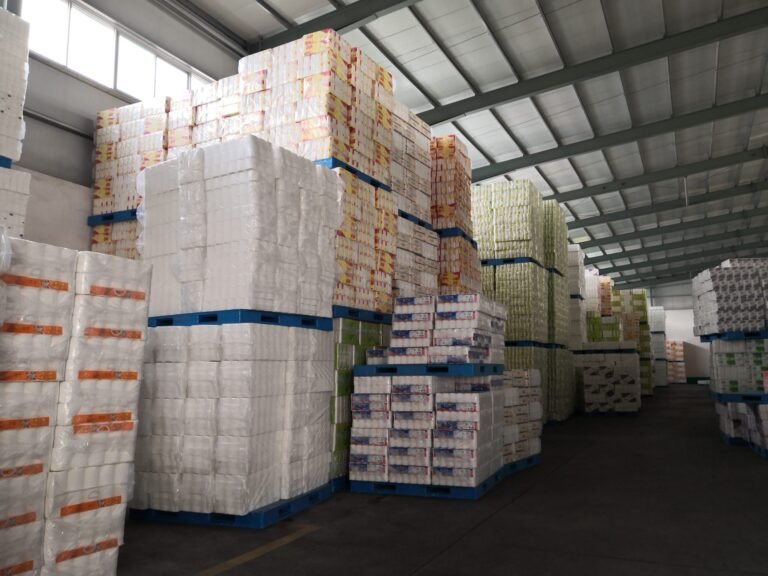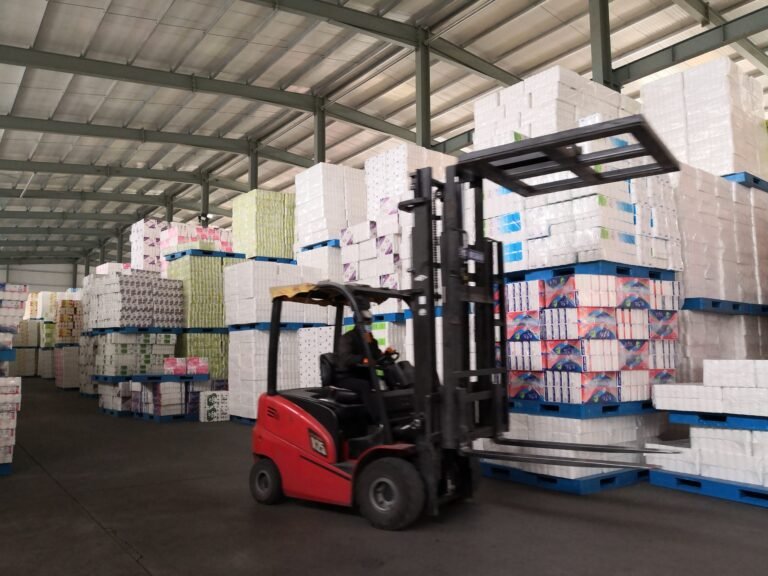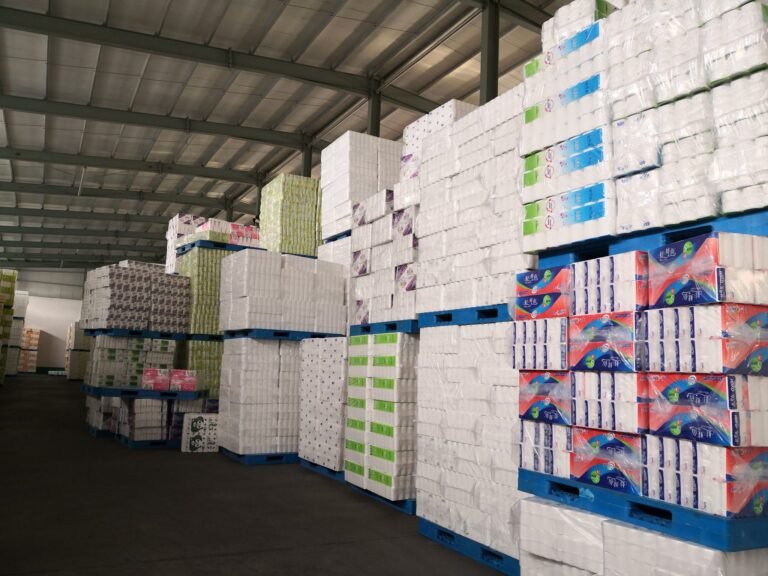
When artwork changes after the print plates are already made, the money question splits into three buckets: the plates or cylinders that must be remade, the packaging stock already printed to the old version, and the production line time lost while both are replaced. Who pays depends on one test – who caused the change, and what did the approved proof say. If you signed off the proof and then changed the copy, the barcode or the color, you own all three buckets. If the factory printed a version you never approved, or printed the approved version wrong, they own them. If nothing was signed, both sides are exposed. The cheapest protection is not a lower re-plate price; it is an artwork freeze with a named approver, a revision number and a written change-order rate agreed before the first plate is cut.
Why One Artwork Change Costs More Than a New Plate
Private-label tissue packaging is printed in one of two ways. Film wrappers and shrink sleeves usually run flexographic presses, where each color needs its own plate or sleeve. Cartons and boxes may run flexo or offset. The Flexographic Technical Association is the industry body that publishes the FIRST process standards for flexographic printing. On a flexo press, plate making is a per-color step: a four-color design means four plates, and a spot varnish, a metallic or a cold foil adds more. So “re-plating” is not one charge; it is a set of charges scaled to the number of colors that actually move.
Then there is the stock. Plates print onto film or board, and printed packaging is produced in runs. When artwork changes mid-run, the already-printed film or cartons cannot be used for the new version.
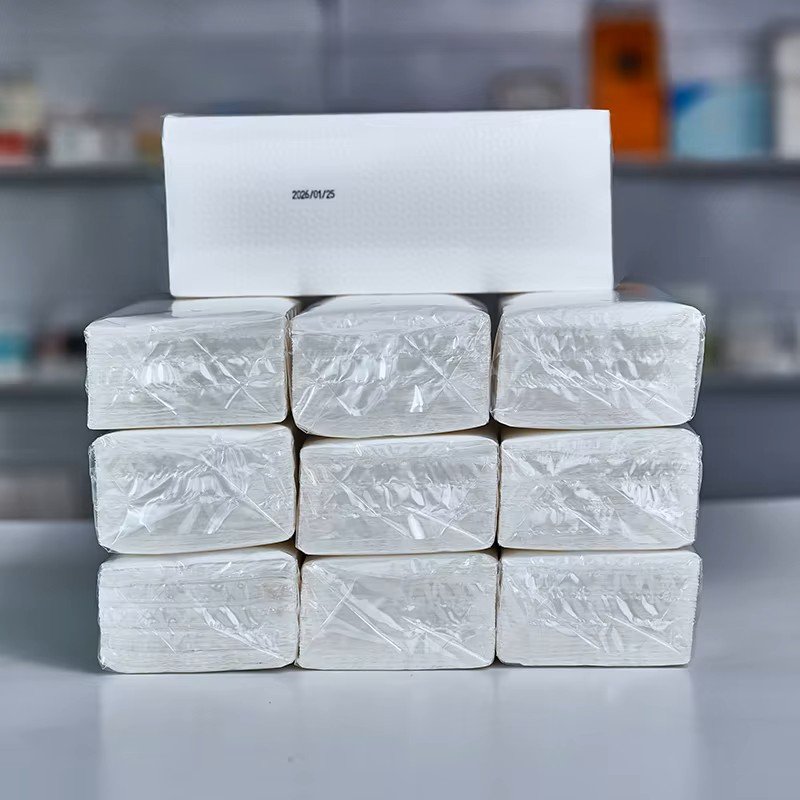
If the change is minor and the print is still in the factory’s warehouse, they may be able to rewind and overprint – rarely clean. If the cartons were already packed and shipped to the port, they are scrap or a discount item. This is the layer buyers underestimate: the packaging stock is often worth more than the plates.
Finally, line time. A tissue converting line stops while the new plates are mounted, the ink is matched and the register is dialed in. That setup time is real cost to the factory even if the plates themselves are paid by someone else. A fair change-order price should name all three layers separately, because lumping them into one “artwork change fee” makes the negotiation impossible.
The Cause-and-Approval Test
Every dispute about a mid-run artwork change reduces to two facts: what was approved, and who moved first.
- You approved, then changed. The buyer pays the plates, the obsolete packaging and usually a setup charge. This is the normal case, and most factories will refund nothing unless the order is large and the change is their own production error.
- The factory printed a version you never approved. The factory pays for the reprint and the wasted stock. Your evidence is the approval record – a signed proof, an email with the approved file attached, or a signed art approval form that names the revision.
- The factory printed the approved version wrong. Color out of tolerance, barcode unreadable, text missing, register off. This is a defect claim, not an artwork change, and it should be handled under the defect and AQL clause in the PO rather than argued as a favor.
- Nobody approved anything in writing. Both sides are exposed. The factory has no shield and you have no proof; the practical outcome is usually a split, which is the worst economic result for the buyer who could have prevented it with one signature.
This is the same boundary logic that applies to any mid-order change on the same program: what rides the original approval and what must be re-signed. Our guide to adding a second SKU mid-order sets out that boundary rule in detail; artwork is the packaging version of the same question.
What the PO Should Say Before the First Plate Is Cut
A private-label tissue PO that will survive an artwork change needs five lines. None of them is exotic; most are simply missing.
- Approved artwork, by revision. Name the file, the revision letter or number, the date and the approver. “Final artwork” is not a revision; it is an opinion, and a file called final-v3 is not a control system.
- Artwork freeze point. State the moment after which a change is a change order: at plate release, at first print, or at carton production start. The later the freeze, the more the buyer pays, and the PO should say so.
- Change-order rate card. Ask the factory to quote, in writing and before the run, the re-plate charge per color, the setup charge, and how obsolete printed stock is valued. A factory that will not quote these before the order is telling you what the negotiation will look like after it.
- Approval authority. One named person or role signs. Not “the team”, not a WhatsApp message from three people. If your brand team, your retailer and your importer can all request changes, your freeze point is fiction.
- Proof and color standard. A physical or certified digital proof, and the color target in a form the factory can match. The International Color Consortium publishes the profile specification that underpins color-managed proofing; the practical version is a named color standard plus a retained approved sample the factory cannot argue with.
How to Lock Artwork So the Question Never Arises
Three operational habits prevent most mid-run changes, and none of them costs money.
One artwork register. A simple table listing every packaging item, its current revision, the approver, the date and where the production file lives. Superseded revisions stay visible in the register but are marked as not for production. The factory signs for the revision it received. This single control eliminates the most common dispute in the category: “we sent you the newer file”.
A pre-press checklist with the factory. Barcode scan test, legal copy, country of origin, batch and lot fields, and the print colors. Run it once per revision with the factory’s pre-press person on the call, not over chat. Our article on kitchen tissue roll packaging covers where shrink-wrap units, master cartons and print actually meet, which is usually where the change was supposed to land.
Sample first, print second. A printed packaging sample from the actual production plates, checked against the approved proof, catches color and copy problems before the run. This is the packaging equivalent of the approval sample lock we describe for the tissue itself in locking the approval sample before production starts. Tissue and packaging should both be locked; locking only the tissue leaves half the risk open.
When the Factory Is at Fault
If the factory ran a version you never approved, or ran your version and the color is outside the agreed tolerance, the claim is a defect claim. Two things make it stick. First, the approved proof and the revision record – without them, the factory can point to a message you sent that seemed to approve something. Second, the physical evidence: retain a full unopened pack or carton from the disputed run, photograph it next to the approved proof under the same light, and keep the inspection record that logs the defect. Our inspectors apply this evidence chain in every pre-shipment inspection, and the same logic works on packaging stock.
Do not let the factory reprint “as a favor” without a written scope. A verbal reprint gesture usually comes with a verbal price. Put the replacement quantity, the new delivery date and who pays freight in writing before a single new carton is printed.
FAQ
Is a re-plate charge negotiable? The per-color plate price is mostly the plate supplier’s cost, so it moves little. The setup charge and how obsolete stock is valued are negotiable, and both should be agreed before the first run rather than after the mistake.
Who owns the plates after I pay for them? Ownership and cost are separate questions. A re-plate charge pays for making new plates; it does not automatically transfer the physical plates or the artwork files to you. If you plan to move the program to another factory, say so in the first PO and expect a tooling transfer clause to be priced separately.
Can the factory print from a PDF I send by email? They can, but an emailed file is not an approval. The controlled path is a released artwork file with a revision number, acknowledged by the factory, and tied to a signed proof. Anything else is evidence the factory can argue with later.
What if the change is legally required, like a new allergen or origin statement? The cost may still sit with you because the change came from your market’s rules, but the timing is negotiable: a compliance change announced early enough can ride the next scheduled reorder with no obsolete stock. Raise it at the artwork register level, not after the run.
Bottom Line
Artwork changes after plate making are not a pricing problem; they are a control problem. The buyer who signs a revision, freezes it at a stated point, keeps a register and agrees a change-order rate card before the first run will rarely pay for a mid-run change. The buyer who approves over chat and calls a file “final” will pay for plates, packaging and line time, and will call it bad luck. One signature and one register separate those two outcomes.