China-Europe Rail for Tissue Imports: When Overland Beats Ocean, and Why It Rarely Replaces It
Short answer: for toilet paper and paper towels, the China-Europe rail corridor is a contingency and replenishment mode, not a wholesale replacement for ocean freight. Rail can cut door-to-door time from a typical ocean range of roughly 35 to 55 days to roughly 20 to 35, but it costs a multiple of the ocean rate on a commodity whose freight problem is volume, not weight: tissue cubes out a container long before it weighs out, so the higher rail rate is spread over the same saleable cases and still lands well above sea. The honest use cases are narrow and real: bridging a stockout before a promotion, recovering a delayed vessel, launching a new SKU, or reaching inland destinations where the rail terminal beats a long truck leg from the port. Decide it as a landed cost per saleable case against the value of the time you save, not against the advertised train days.
Rail quotes look attractive next to a bad ocean year and disappointing in a normal one. This guide puts the corridor into the tissue importer’s planning frame: what the transit numbers actually contain, why low-density cargo is rail’s weakest case, where multimodal routing quietly changes the math, and how to write the order so a rail option stays a choice instead of becoming an obligation.
What the Transit Numbers Actually Include
Advertised rail times are the most misleading figures in the corridor because they are quoted station-to-station, while your inventory problem is measured factory-floor to distribution-center. Add the pieces and the realistic planning range for China origin into Northern or Central Europe lands around 20 to 35 days door-to-door: inland collection or factory delivery to the loading terminal, wagon loading and customs exit at the border, the gauge change on the Poland-Belarus or Kazakhstan borders, transshipment dwell that no schedule can promise, then EU-side terminal pickup and trucking to your warehouse. Ocean FCL, for comparison, plans at roughly 35 to 55 days door-to-door on current routings, with 25 to 40 port-to-port as the narrower figure. That is the comparison rail wins on: roughly half the lead time. What it does not win on is cost, and the cost gap is not a rounding error. Rail rates on the corridor commonly run at a multiple of the ocean equivalent while staying far below air; the UNCTAD transport and trade facilitation program publishes the multimodal and corridor cost context used across the trade at unctad.org. The planning habit that survives contact with a forwarder is to compare all-in delivered cost per saleable case or per cubic meter, never the headline rate per container, for every mode on the table.
Why Low-Density Paper Is Rail’s Worst Cargo Profile
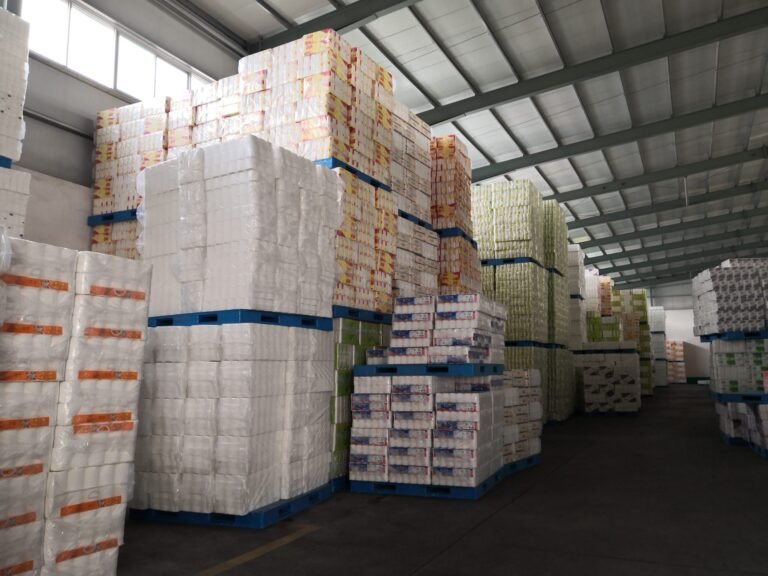
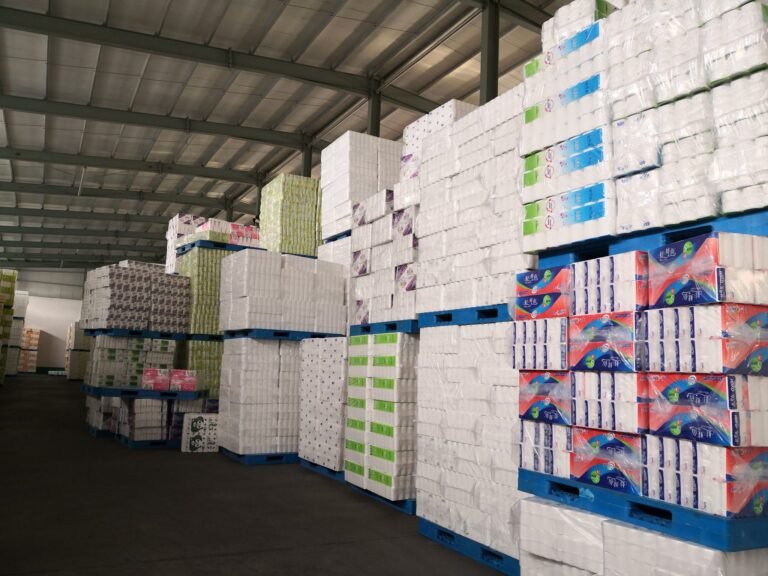
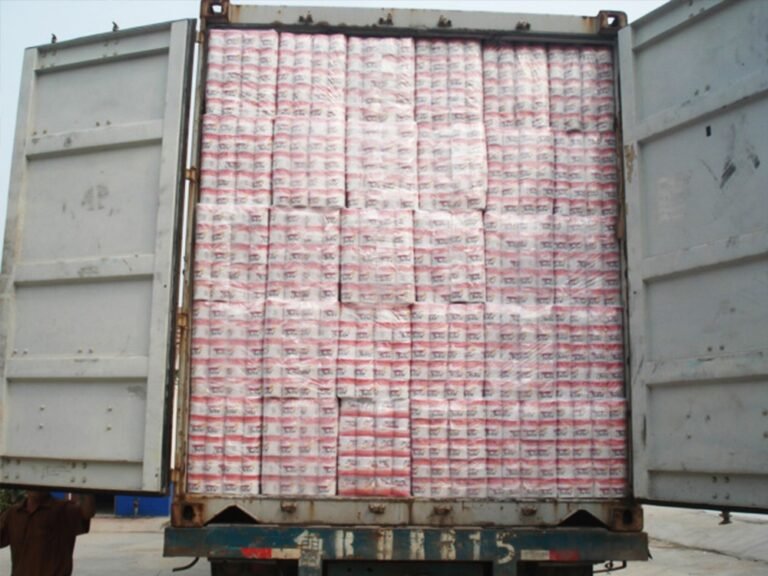
Tissue is the exact opposite of the cargo the corridor was built for. Rail economics reward weight and compactness, the profile of machinery and electronics, because a wagon’s cost is largely fixed while its capacity is shared between weight and volume; a container of printed retail toilet roll exhausts its cubic capacity at a fraction of its payload, so you are paying for space you cannot use, and you pay that inefficiency at the rail premium. The same cube-out problem makes ocean the natural mode for tissue, because sea rates per cubic meter are low enough that the wasted volume is cheap. This is the identical arithmetic the mixed container guide works through for a full box: when you cannot fill by weight, packing density decides everything. On rail it decides twice as much, because the rate per container is higher to begin with. The importers who genuinely make rail pay for tissue concentrate every lever they have on density: vacuum-compressed packs where the product allows it, tight carton counts, nested packaging, and SKU selections where the case value per cubic meter is above the site average.
The Handling Profile: What Rail Does to a Tissue Container
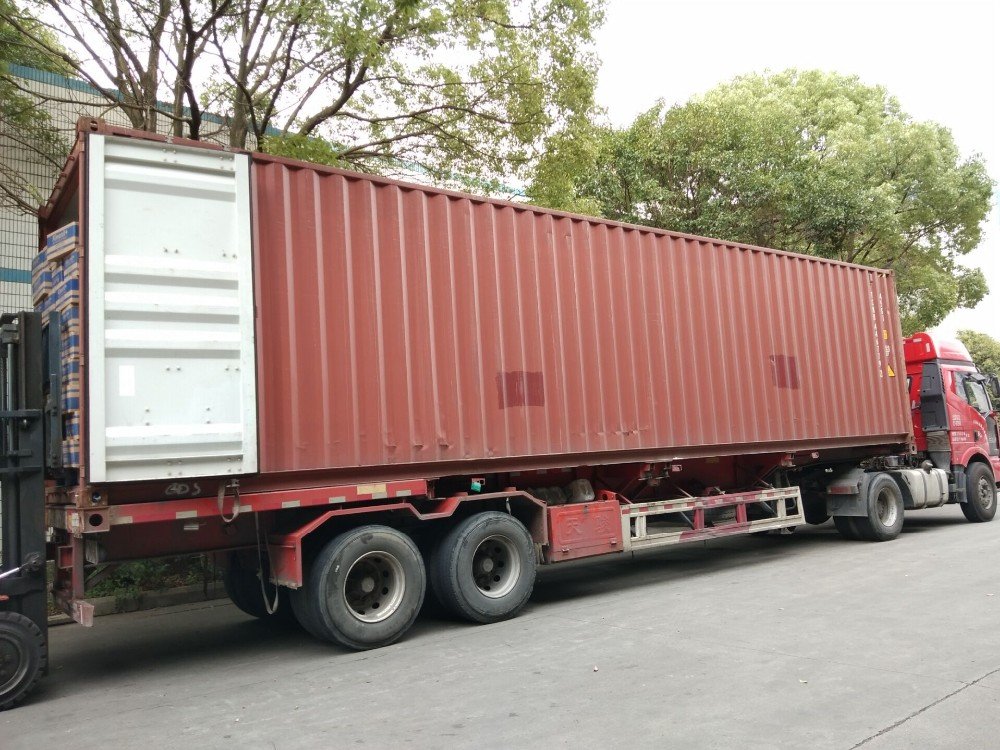
A container that survives an ocean crossing is not automatically a container that survives the corridor, and the difference is mostly in the joins. Rail journeys carry more handovers: truck to terminal, gantry to wagon, wagon to wagon at gauge change, and back again on the EU side, each one a fresh set of twist-locks, strapping stress and carton-edge contact. The longer overland time also exposes goods to a wider temperature band through the continental interior, which matters for tissue less than moisture itself, but the same condensation logic the moisture-proof packing guide covers applies, with more door-openings to protect against. Reputable multimodal forwarders handle these issues with standard tools, and the buyer’s job is to put them in the specification rather than discover them at the DC: dunnage and airbags sized for handover stress, strapping specs that survive re-handling, pallet footprints compatible with both wagon and truck decks, and a packing standard your pre-shipment inspection, structured the way the PSI and AQL guide lays out, checks for exactly these points before the box is sealed for the train.
Booking, Incoterms, and the Paperwork That Changes
The booking mechanics differ from ocean in ways that bite when nobody explained them. Rail capacity is scheduled in block trains with fixed departures, not the weekly sailings an ocean forwarder spreads across carriers; miss a slot and the wait is measured in weeks, not one rotation. The rail waybill is not a bill of lading: it is a consignment note, and if your contract, your LC if you have one, and your customs broker all expect a negotiable ocean bill, the document set has to be reworded before the first box goes by rail, the same document-chain discipline covered in the invoice, packing list and ASN article. The Incoterm should be quoted for the actual routing, because a FCA or DAP rail term assigns the border and terminal handovers to different parties than an FOB ocean term does; the official rule definitions live with the International Chamber of Commerce at iccwbo.org, and the cost split a tissue buyer actually cares about, who pays the inland and terminal legs, is exactly the reasoning the FOB versus CIF versus EXW guide applies to sea, extended here to a mode with more hands in the middle. Rail is also where DDP quotes from a Chinese supplier quietly become multimodal quotes; read the routing in the offer, not just the price.
When to Say Yes: Three Real Use Cases
The mode earns itself in the same three situations every importer who runs it will name. The recovery move: a vessel rolled, a port strike or a canal detour pushed an ocean batch past your contract window, and the OTIF arithmetic in the On-Time-In-Full penalty guide starts making a rail premium look cheap against the chargeback sheet; the air-versus-rail line of the same calculation is what the air freight guide covers, and for tissue rail usually sits between ocean and air in the right way. The launch move: a new SKU rollout where the value of being on the shelf at the promo date outweighs the per-case freight premium, the same planned-versus-emergency math the volume and call-off guide applies to production scheduling. And the geography move: distribution centers inland from the congested North Sea gates where a direct rail terminal cuts the truck leg and the port demurrage exposure together. What none of these is: a base-load strategy for paper. The capacity and MOQ planning in the 20GP versus 40HQ MOQ guide should keep ocean as the default carrier and rail as the pre-priced exception.
FAQ
Is China-Europe rail faster than sea for tissue?
Roughly half the door-to-door time: plan 20 to 35 days by rail against 35 to 55 by ocean on current routings. The rail figure only holds when you compare like-for-like door-to-door; advertised station-to-station times are not a planning number.
Why not use rail for all paper shipments?
Because tissue is low-density cargo with a thin freight tolerance: rail rates run at a multiple of ocean on the same container, and that premium buys days you only sometimes need. Ocean remains the base-load mode; rail is the priced exception.
What paperwork changes on the rail mode?
The consignment note replaces the ocean bill of lading, Incoterms should be quoted for the rail routing, and the rail waybill’s document role must be written into contracts and letters of credit before the first shipment, because banks and brokers are set up for the sea set.
Do I need different packing for rail?
Different stress, same principle: more handovers and gauge changes mean re-handling-safe strapping, airbag and dunnage specs, pallets sized for wagon decks, and the moisture standard applied with the extra door-openings in mind. Put it in the PSI instruction before sealing.
When does rail beat air for a tissue stockout?
When the window is three to four weeks: air closes the gap at a freight multiple of the rail one, and for a replenishment container rather than emergency cartons, rail delivers most of the time saving at a fraction of the premium.