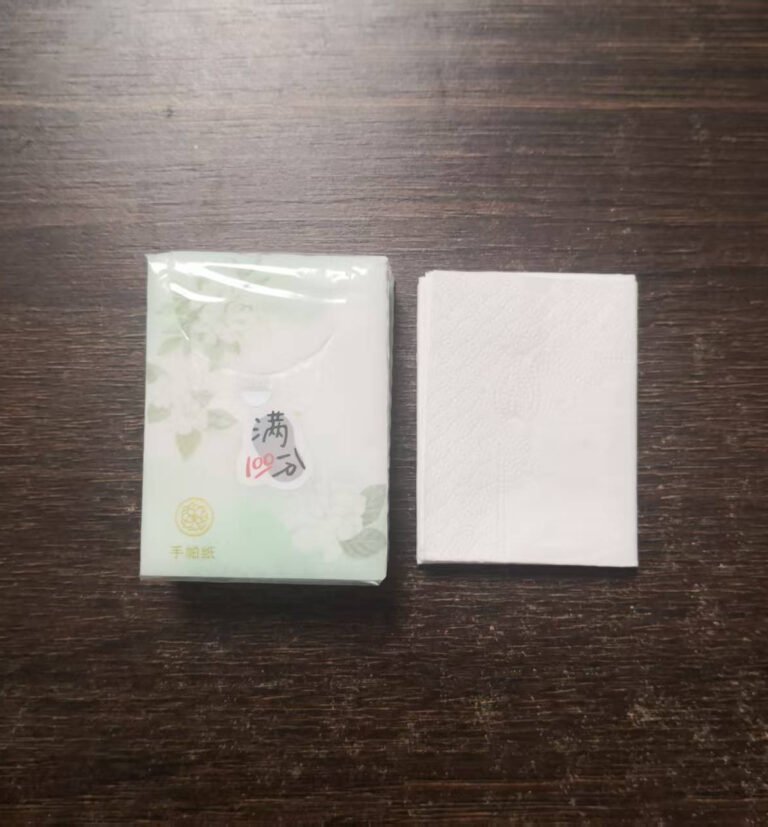
Printed pocket tissues occupy an odd corner of the promotional-products shelf: cheaper per contact than most giveaways that get kept and used, yet the orders most likely to arrive after the event they were bought for. The giveaway itself is simple – a small printed pack of virgin-pulp tissue that lives in a coat pocket and keeps getting used. The procurement is where programmes quietly fail.
For the underlying numbers, see how sheet count and case count drive hospitality restock.
Because a campaign has a fixed date and a custom-print tissue order has a factory calendar behind it, the decision reduces to two questions in order: which commitment path does the brand buy – insert branding on white-label packs, or full-pack colour print behind a container – and what happens to everything the campaign does not issue. This guide answers both on published numbers; the day-by-day backward count itself belongs to the campaign-date section of the custom printing guide for promotional packs and is not re-run here.
Key Takeaways
- US promotional-products distributor sales reached $26.78 billion in 2024, up from $26.09 billion in 2023, per PPAI’s Distributor Sales Volume Estimate – imprinted giveaways remain a funded procurement category, not a fad.
- The pocket tissue line supports colour printing on the individual pack and multi-pack combinations, so the branding lives on the object people keep, not on a carton they discard.
- Custom colour-printed packs sit in the 1×40’HQ commitment tier; plain and white-label stock can consolidate into a shared 20GP – which is why one campaign order can be engineered to outlive the campaign.
- Factory lead times are published: samples in 1-3 working days, first production 25-30 working days with packaging pre-press inside the window, reorders 20-25.
- Your artwork, once paid for, is archived and no reorder re-charges the plate – so a campaign pack that works becomes a repeatable asset at declining unit friction.
- The commitment path decides the campaign’s shape: the insert route rides a shared 20GP with redeployable packs and a short freeze list, while full-pack print commits a 40’HQ to one frozen artwork – and the day-count for that route is owned by the promotional printing guide.
- Why a Consumed Giveaway Outlives a Decorative One
- What the Pocket Tissue Line Can Carry Under Your Brand
- The Commitment Tier: Why Printed Means a Container
- Choose The Commitment Path, Not The Calendar
- Cost Per Pack And Cost Per Issue Are Two Numbers
- The Remainder Problem: Designing the Order to Survive the Campaign
- Four Distribution Settings and What Each Demands
- The Campaign Spec Checklist
- Buy to the Calendar, Issue to the Denominator
- FAQ
Why a Consumed Giveaway Outlives a Decorative One
Pens get lost, stress balls get donated, and most branded clutter is out of sight – and usually out of the office – shortly after the event it was bought for. A pocket of tissue is different in one way that nobody needs a study to recognise: it is used. Every use re-presents the artwork to the same person, in a moment of mild physical need, which is about the friendliest context a brand can buy for four words and a logo.
The category logic is exactly why imprinted goods remain a line item at scale – PPAI’s Distributor Sales Volume Estimate puts US distributor sales at $26.78 billion in 2024 against $26.09 billion the year before – and why the professional question is never whether giveaways work, but which object earns its slot in the swag budget. Tissue answers with utility: it is already in every coat pocket in the audience, which means your printed one is replacing something, not decorating something. The pack-format options that make that substitution credible are sourced in the pocket tissue sourcing guide; the print craft behind the artwork sits in the custom printing guide for retail and promotional packs, and neither is re-taught here.
What the Pocket Tissue Line Can Carry Under Your Brand
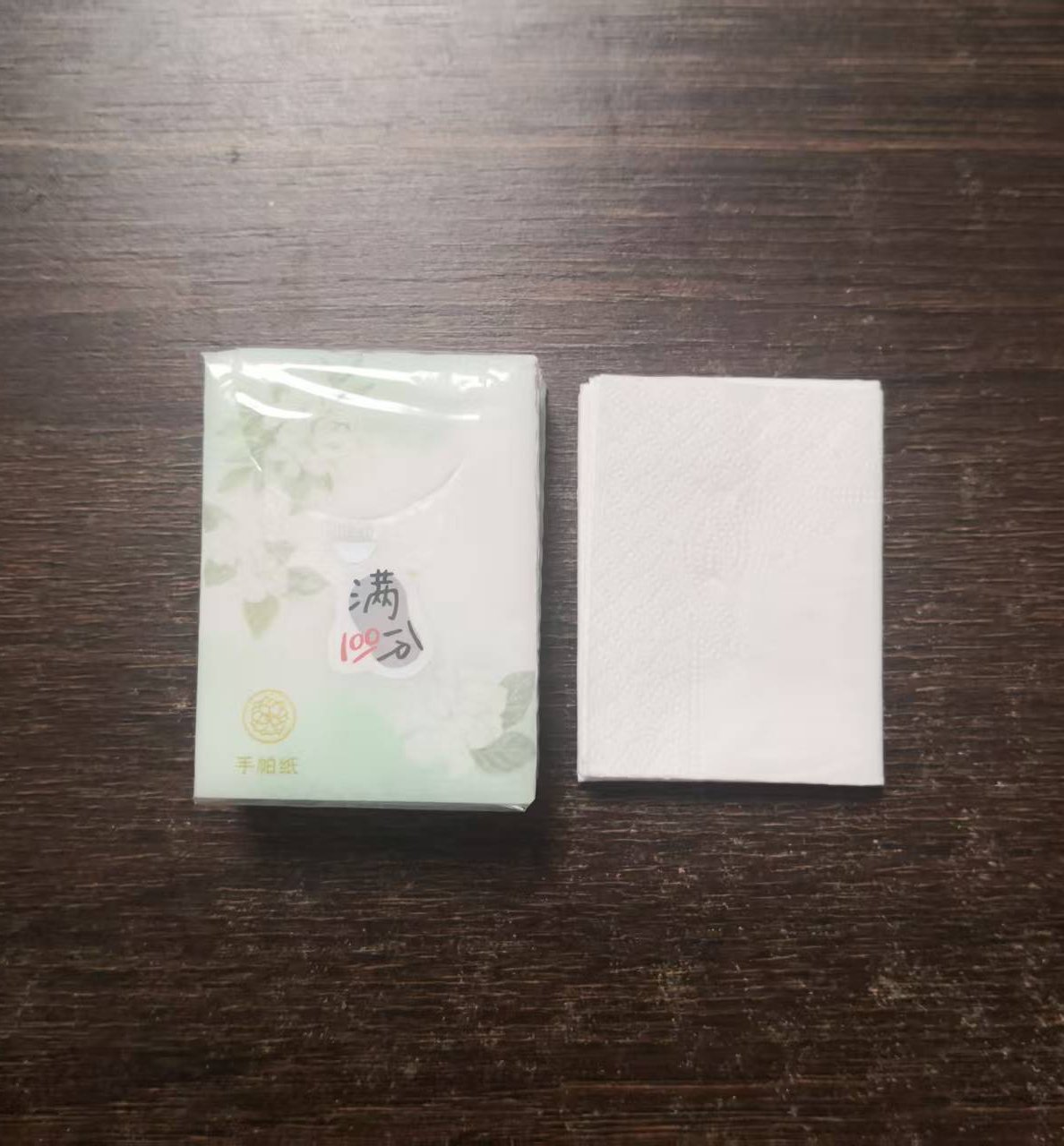
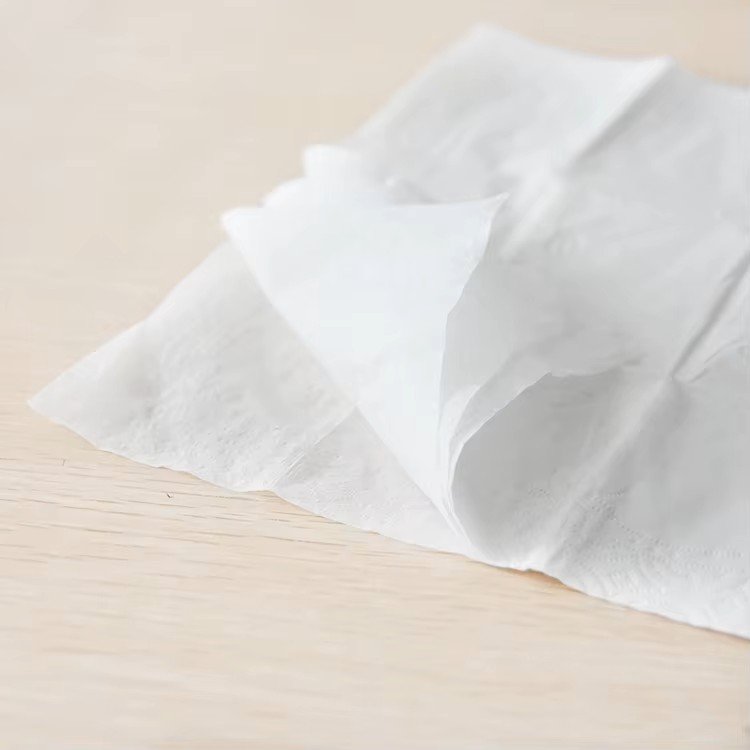
Strip the marketing and the factory envelope for promotional work is three sentences long. The stock is multi-sheet portable packs in high-toughness, ultra-soft 100% virgin pulp with zero-dust purification. The branding surface is the individual pack itself – colour printing on each pocket pack, not a label on a case – plus multi-pack combination, so packs travel in grouped configurations; campaign messaging beyond the print, such as insert cards, is a buyer-side object co-packed before issue rather than a mill capability. And the commitment tier for that printed pack, as with any custom colour-printed packaging here, is a full 40’HQ.
What the envelope does not include is worth stating before a creative agency gets ambitious: sheet counts and pack dimensions come from the agreed packing list, not from this article, and fragrance or lotion variants are not published capabilities of this line. A promo pack is a paper object with a printed skin; the experienced version of a campaign brief knows the difference between artwork freedom and substrate freedom. The customisation-option spread that usually gets pitched – foil, shapes, dispensers – is inventoried honestly in the travel tissue packs options list.
The Commitment Tier: Why Printed Means a Container
Here is the number that reshuffles most campaign plans. Unprinted and white-label pocket tissue can ride a shared 20GP consolidation; once the individual pack carries your colour print, the order enters the 1×40’HQ tier. The reason is pre-press economics – printing plates and press time per artwork run make a partial container uneconomical for the mill and the difference rarely shows up in a listing price until you ask.
Market listings blur this aggressively; per-pack prices in the $0.02-0.08 range with MOQs from 5,000 to 30,000 bags are visible across the trade platforms, and in many cases small-lot “custom logo” offers describe hot-stick labels or stock print with your sticker applied, not a printed film on your pack. For a brand campaign the honest structure is the one above: full-container commitment for full-pack print, or white-label packs with your message carried by a buyer-side insert or the outer presentation instead. The container-choice arithmetic between 20GP and 40HQ – what each actually commits before a single pack is issued – belongs to the MOQ guide and is deliberately not re-run at campaign-lingo level here.
Choose The Commitment Path, Not The Calendar
The backward day-count from an event date – samples, pre-press, production, transit – is already worked step by step in this site’s promotional printing guide linked above, and repeating it would teach you nothing new. The decision this brief actually owns comes one step earlier: which of the two commitment paths carries the campaign, because each one loads the calendar differently and decides what the leftovers are worth.
Path A, the insert route. White-label packs from a shared 20GP, your campaign message carried by insert material you produce and co-pack on your side. Nothing about the tissue itself is frozen: the packs have a life after your event because they wear nobody’s date, and the timing pressure sits on your card printer, not on a plate. Path B, full-pack print. One 40’HQ committed to one artwork; the plate freezes before the press runs, so the artwork sign-off – not the purchase order – is the campaign’s load-bearing milestone, and every revision after it is a new campaign rather than a change request.
| Decision | Path A: insert branding | Path B: full-pack print |
|---|---|---|
| Container commitment | Shared 20GP consolidation | One full 40’HQ |
| Branding surface | Buyer-side insert, outer carton | Printed film on every pack |
| Frozen milestone | Insert print run only | Artwork before plates |
| Remainder after the event | Redeploys anywhere | Repeats only same-brand use |
| Repeat-campaign cost | Insert reprinted each time | Plate archived, no repeat charge |
Stance, because path-shopping is where programmes die: a first campaign should be Path A unless the artwork already has a proven second use waiting. Path B earns its keep through the archive economics described below – but only for brands that will run the pack more than once. Buying a container of print to discover whether an audience likes tissue is the single most expensive way to learn what a 20GP would have told you for an insert’s price.
Cost Per Pack And Cost Per Issue Are Two Numbers
Because the commitment is a container rather than a carton, promotional tissue reprices itself the moment you divide it twice. The first division is landed cost per pack: container invoice over total packs. The second is the one campaigns actually pay: landed cost over the packs the campaign issues – because the container is bought whether or not the audience shows up.
Work the placeholder arithmetic; the inputs are yours to replace with your invoice and packing list, and every figure here is an example rather than a quote. Suppose your documents state one million packs in the 40’HQ and the landed container invoice reads $24,000. Cost per pack is 2.4 cents. Now suppose the conference issues 80,000 packs and the remaining 920,000 sit on a shelf: the campaign’s effective cost per issued pack is $24,000 divided by 80,000 – thirty cents, twelve and a half times the per-pack cost on the invoice, not because the paper got dearer but because the remainder aged. Price both divisions into the brief before the deposit, and then design the remainder to shrink the gap.
The Remainder Problem: Designing the Order to Survive the Campaign
Printed packs outlive campaigns. The container you committed for a single product launch will not be fully issued at the launch, and everything left in the warehouse carries your event’s date on it. Three design moves defuse the entire problem, and they happen before artwork, not after.
One: dateless artwork. Put the brand, not the event, on the pack. Evergreen artwork turns leftovers into the opening stock of next quarter’s programme instead of dead inventory.
Two: the white-label hedge. Fill part of the order with unprinted packs that can be co-packed with different cards per campaign or moved through ordinary channels – Path A optionality kept alive inside a Path B commitment.
Three: the archive advantage. Because artwork and formula are permanently archived and reorders carry no repeat plating charge here, a printed pack that performs becomes a reusable asset: the second campaign’s container starts without paying for the first one’s plates again. The single-issue format decisions for hospitality placement sit in the individual tissue packs guide.
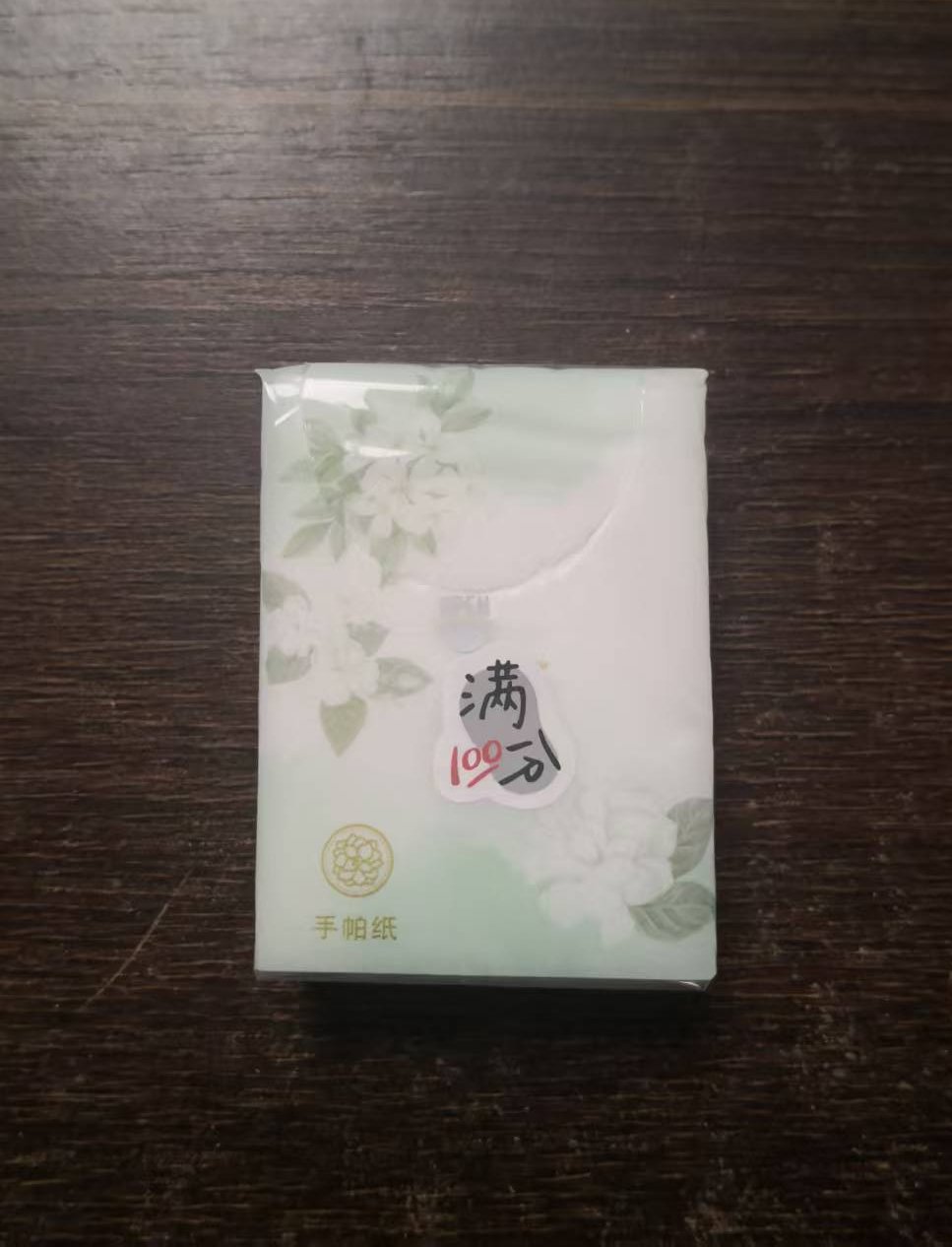
Video: “tissue paper manufacturing process”, Top Source Paper own channel. Tissue converting-line footage upstream of pocket-pack slitting and printing; it is not a shot of your printed packs.
Four Distribution Settings and What Each Demands
The setting decides the pack. A conference swag bag tolerates full-colour film print and a bundled insert because the hand-off is personal and the audience expected a gift. Hotel in-room placement buys discreet volume: packs survive housekeeping carts and guest pockets, and the artwork shrinks to something a lobby can carry without embarrassment. Airline and business-travel distribution – a named use scene of this line – runs on the high-toughness softness trade-off, because a pack that shreds in a tray table pocket transfers exactly the wrong impression.
Street and event high-volume issuance is the most unforgiving setting of all: it consumes stock faster than any calendar promises, which makes it the place where the dateless-artwork and white-label-hedge decisions above pay for themselves. Each setting should get its own issue-rate estimate before the artwork deadline, not after the first weekend. The retail-shelf variants of these formats, where the pack competes with branded product instead of decorating a campaign, are covered on the pocket tissues pillar page and in the sourcing guide linked earlier.
The Campaign Spec Checklist
Before the artwork file goes anywhere, the campaign brief needs six settled lines. A supplier who receives them gets a calendar, a quote tier and zero change requests; a supplier who receives “logo on tissue packs, need 100k, September” gets an optimist.
| Line | Decides | Failure if missing |
|---|---|---|
| Event date + issue rate per setting | Container tier and reorder math | Stock lands post-event or remainder dwarfs the campaign |
| Artwork: evergreen vs dated | Remainder value | Leftovers become dead stock with your date on them |
| Print tier: pack print vs insert | 20GP vs 40HQ commitment | MOQ surprise two weeks before deadline |
| Total pack count + planned issue count | Both cost denominators | Campaign priced at 2.4 cents that really cost thirty |
| Transit lane and customs route | Backward calendar | Container clears port after the opening keynote |
| Reorder window and plate archive | Second-campaign cost | Paying the plate twice for the same artwork |
Fill those six and the quote conversation compresses to one afternoon. That is the thread this mill answers fastest on – send the campaign brief with its date in the first line and get back a sample dispatch inside three working days, before your agency starts shopping for small-lot compromises.
Buy to the Calendar, Issue to the Denominator
Promotional pocket tissue rewards two habits and punishes one. The habits: locking artwork early enough that the backward calendar holds, and dividing landed container cost by real issue counts instead of listing prices. The punishment is for dated artwork – a pack that expires the day the banner comes down.
Between the three tiers this article has mapped – shared 20GP white-label with inserts, one 40’HQ of full pack print, and the archived-plate reorder that costs no plating twice – the professional campaign order is almost never the cheapest quote. It is the one whose remainder still has a job after the event. Get the calendar into writing first; the price conversation sorts itself out behind it.
Frequently Asked Questions On Promotional Pocket Tissues
Are printed pocket tissues effective promotional items?
They earn their slot through utility rather than novelty – the pack replaces something already in the audience’s pocket and re-presents the artwork at every use. Effectiveness comparisons belong to your own campaign data; imprinted giveaways as a category remain funded, with US distributor sales at $26.78 billion in 2024 per PPAI.
What is the minimum order for custom printed pocket tissues?
Colour printing on the individual pack sits in the custom-print tier: one 40’HQ container. Plain or white-label packs consolidate into a shared 20GP, which is the hedge route for campaigns that cannot commit a full container to print.
Should a first campaign use printed packs or inserts?
Inserts first, print second. Insert branding rides white-label packs from a shared 20GP with nothing frozen and the remainder redeployable; full-pack print commits a 40’HQ to one frozen artwork and only pays off once the pack has a proven second campaign.
Can I reorder the same promotional tissue packs later?
Yes, and cheaper to start: the artwork and formula are archived permanently and reorders carry no repeat plating charge, with the reorder production window at 20-25 working days. Evergreen artwork makes the second campaign a calendar exercise instead of a design one.
What artwork should avoid on a promotional tissue pack?
Event dates, venue names and anything that expires the pack. Keep the brand dateless, put campaign messaging on inserts or outer presentation, and the leftover stock keeps issuing at future events instead of ageing in a warehouse.