A container is not a box on a ship. It is a sealed metal chamber whose air heats under a midday sun and chills overnight, and whose steel walls fall below the dew point of that air on schedule. When the steel goes below dew point, the water vapour inside it stops being vapour. It becomes droplets on the ceiling, and then it becomes a drip onto the top layer of cartons. Tissue is one of the worst cargoes to put in that room: paper is hygroscopic, and a corrugated carton that absorbs water loses the strength that was protecting the product underneath it.
Related: the moisture-proof loading photo set, item 3 of the eight importer artefacts.
Moisture is also the failure the brand positioning of this factory exists to answer, because it is the fear importers raise before price: mould in a container that sat on the water for weeks. What follows is how a tissue container should be packed, what to check before the doors close, and what evidence to hold so a wet load becomes a claim instead of a loss.
What Actually Wets A Container Of Tissue
Three different mechanisms are usually confused with each other, and each attacks a different layer of your load. Container sweat forms on the walls and ceiling when the steel surface falls below the dew point of the air inside, typically as the box cools through the night. Container rain is that accumulated condensate dripping off the roof onto the cargo below it. Cargo sweat forms on the goods themselves, when the surrounding air warms faster than the load does, as a cold container moves into a warm berth.
The definitions and the risk ranking come from container-industry work on condensation (see the condensation-in-containers analysis drawing on ThoMar OHG), which also puts moisture-related damage at up to roughly 10% of containerised goods worldwide and lists paper and wood among the most exposed hygroscopic commodities. The same analysis is blunt about packaging: wetted cardboard loses strength, labels peel and pallet loads collapse, and paper is named among the materials that warp, crack and disintegrate.
Two consequences follow for tissue specifically. The damage is often invisible at the door of the destination warehouse, because a carton that dries out still looks acceptable while the printed surface and the inner wrap have already degraded. And the top layer is not the only casualty: container rain comes off the ceiling, but cargo sweat forms wherever the goods sit cold against warming air, which in a laden box can be the middle of the stack.
The Packing Layers That Have To Hold
Ask a factory what it does against moisture and the honest answer is a stack of specifications rather than a slogan. This is the stack we ship to, and it is the one worth writing into your purchase order.
| Layer | What it defends against | Specification we ship |
|---|---|---|
| Inner wrap | Cargo sweat reaching the product | Confirm in writing what the goods are wrapped in |
| Outer carton | Scuffing, split corners, splash | High-strength thickened waterproof, moisture-proof corrugated |
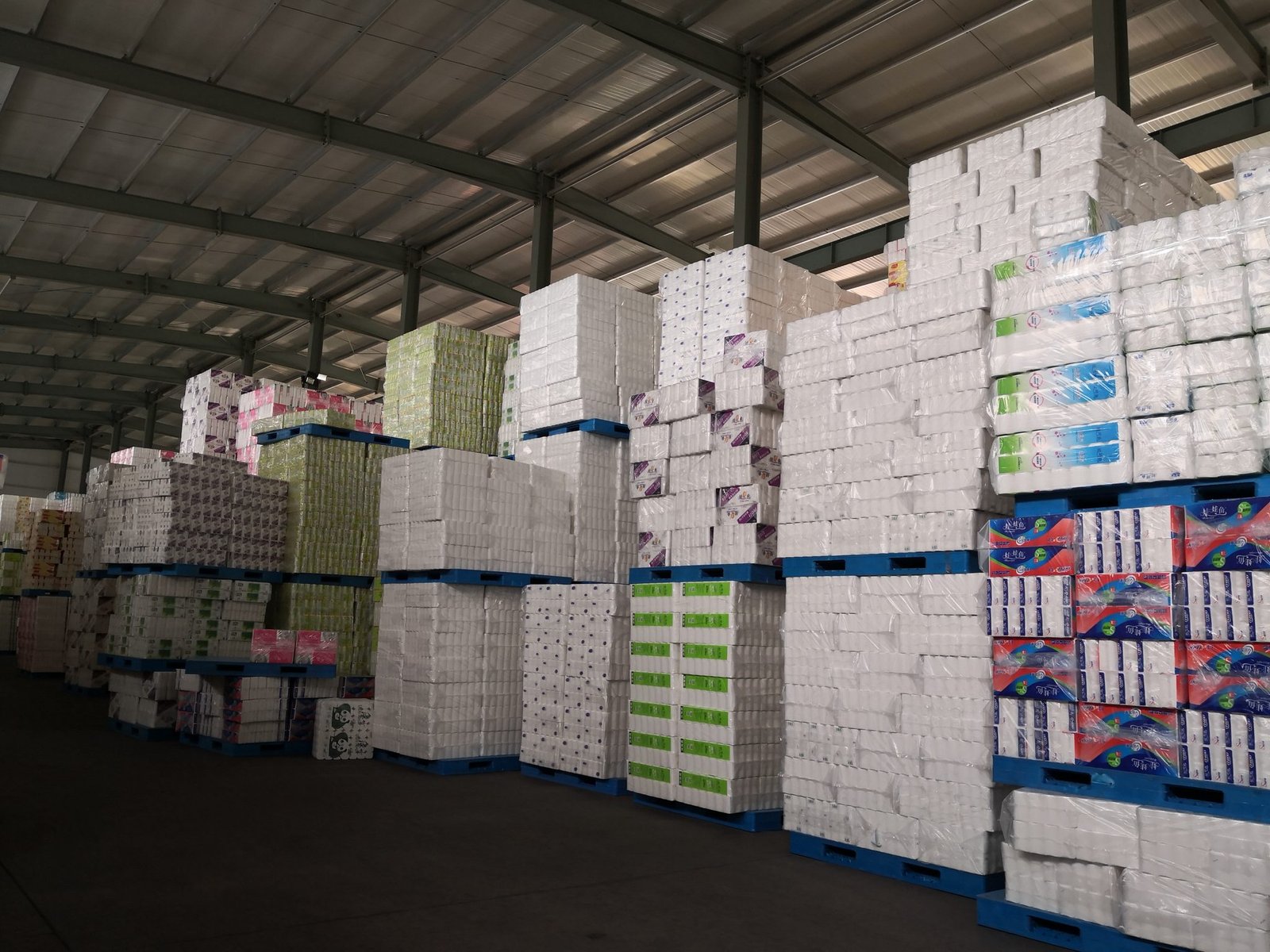
| Pallet | Ground moisture, forklift damage | Standard fumigation-free pallets |
| Restraint | Load shift and carton crush during the crossing | High-tensile strapping |
| Container | Ingress from a damaged door seal or floor | Air- and water-tightness checked before stuffing |
Fumigation-free pallets are a deliberate choice, not a shortcut. Solid wood packaging moving internationally is subject to phytosanitary treatment and marking rules, which means a solid-wood pallet adds a compliance document to every container and a rejection risk at the destination. Wood is also a moisture carrier: the container-condensation analysis above recommends kiln-dried or plastic and composite pallets precisely because green timber releases water into the sealed box as the temperature cycles. A fumigation-free pallet system removes both problems at once, which matters on a food-adjacent consumer product that will be stored near groceries.
Before The Doors Close
Most wet cargo was doomed before the first carton went in. A container with a light leak at the door gasket, a punctured roof panel or a damp floor will defeat any packing specification above it, and the party best placed to catch it is the one doing the stuffing. That is why our stated process puts an air-tightness and water-tightness check on the container before loading rather than an inspection after arrival.
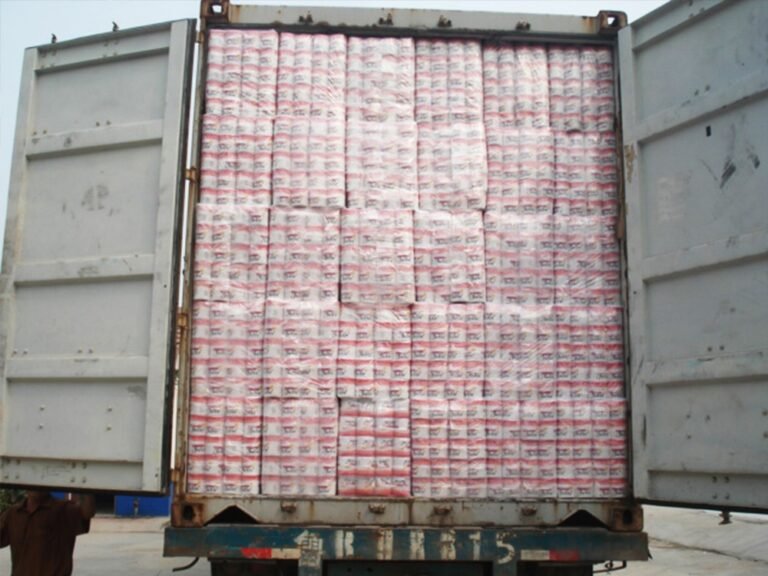
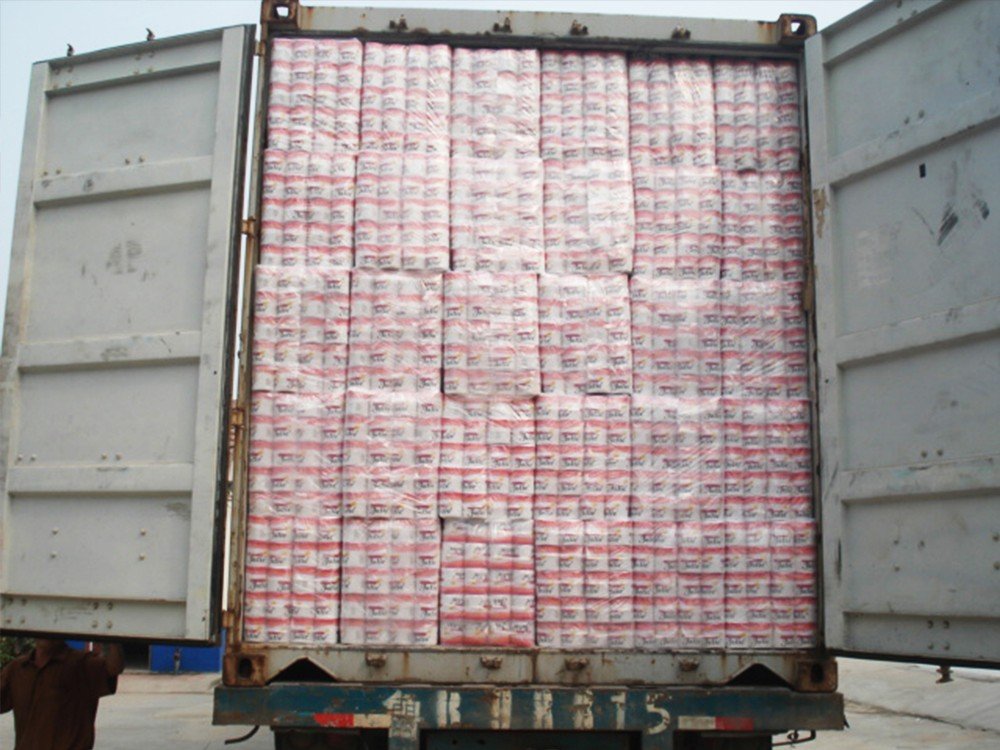
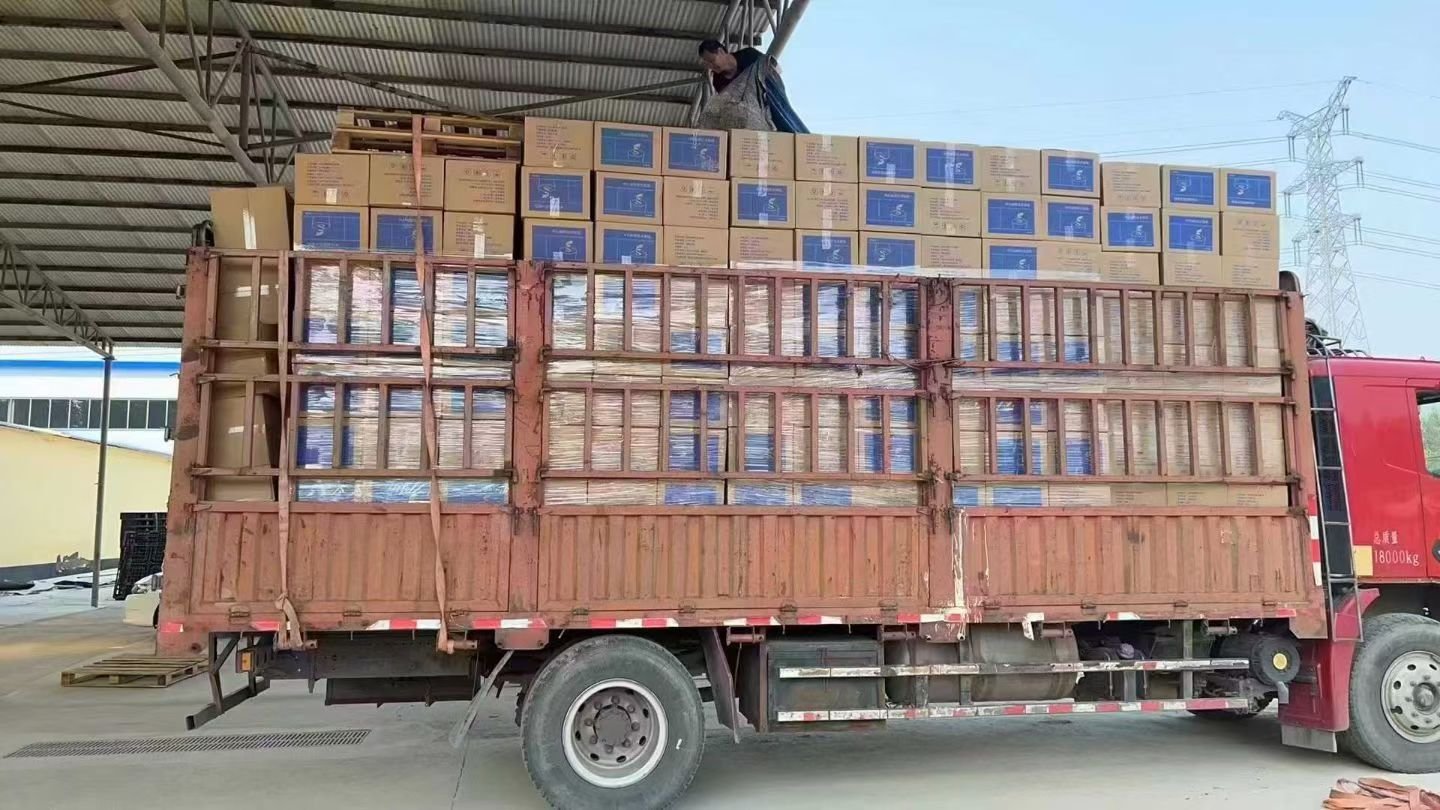
Buyers should ask to see it. Three photographs cost nothing and settle almost every later argument: the empty container with its roof and floor visible, the door seals and gaskets, and the completed load with the strapping applied before the doors are shut. If a factory cannot produce an empty-container photo because loading is treated as a foreman’s private business, that is a process gap, not a photography gap.
One more measure belongs in your specification even though we do not claim it as standard: desiccant bars and a container liner. The container-industry analysis above sets out the practice, calculating calcium-chloride desiccant against the DIN 55474 standard, hanging bags on walls and in upper corners, laying absorbent blankets over the top layer to catch container rain, and drying or replacing wooden pallets because new ones can carry a meaningful volume of water in the board. Request it explicitly on a long winter route or a high-humidity origin, and ask for it to be photographed going in.
20GP Or 40HQ: Size The Order Before You Argue The Price
Tissue is a bulky, low-density load, which means the container type drives both your MOQ and your economics. Freight spec tables give roughly 28 cubic metres of usable space in a 20GP against about 68 in a 40’HQ, before you allow for pallet height and the stowage losses that always appear on a bulky carton load.
Our own minimums are set to that reality. Plain and white-label tissue ships from a shared 20GP, so a first order or a mixed-programme order does not have to fill a high cube. Custom colour-printed packaging starts at one 40’HQ container, because the printed cartons and wrappers are produced in a single run against your artwork. For the cost side of that split, read the 20GP against 40HQ MOQ guide, and for who pays which leg of the journey, the FOB, CIF and EXW cost comparison.
The practical warning: a buyer who compresses freight cost by filling a high cube with the cheapest packing usually pays for it in softened cartons. The packing specification and the container size are one decision, not two.
The Evidence Pack That Settles A Claim
Moisture claims fail on evidence, not on damage. By the time a consignee finds a wet carton, the container has been devanned, the load has been broken down and the person who stuffed it is five thousand miles away. The documents that settle it are produced before the ship leaves, and ours travel with every shipment: a loading and moisture-proof packing record in photos and video, a container sealing video tied to the balance payment, and a physical-index COA covering tensile strength, brightness and 100% virgin fibre verification. Wet-strength and dust performance on the production run is supplied on the same video basis.
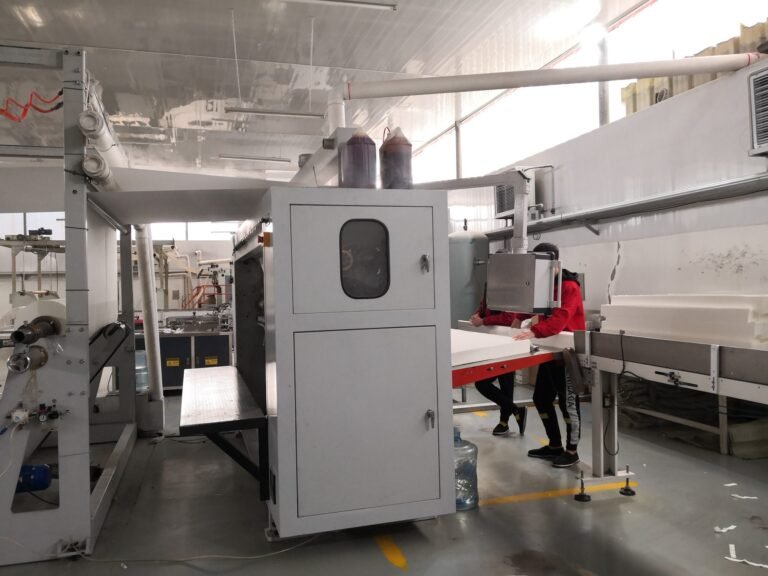
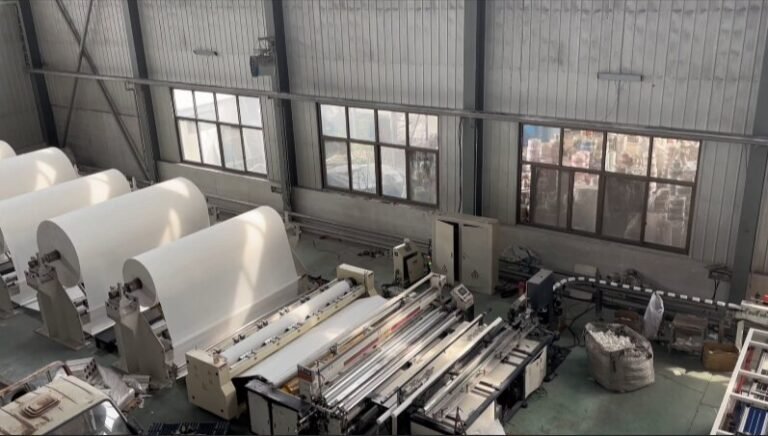
Behind those documents sit three QC gates, and the last one is the one that matters for a long transit: parent-roll spot check on tensile and brightness, in-process patrol during rewinding on grammage, tension and perforation, then a pre-shipment final check on carton specification that includes a drop test. A carton that survives a drop test is a carton whose board strength and seams were verified before weeks of shipboard humidity got to work on them.
| Document | Produced when | What it settles |
|---|---|---|
| Loading and moisture-proof packing photos or video | At stuffing, before the doors close | The goods went in dry and strapped |
| Container sealing video | Before shipment, against the balance payment | The seal the consignee cuts is the seal that left |
| Physical-index COA | With the goods | Product quality, not transit damage |
| Wet-strength and dust test video | With the goods | Sheet performance on that production run |
| Stowage-position damage photos | At devanning, before the load is broken down | Whether the water came from above or from the air |
Payment structure gives that evidence teeth. Orders run on 30% T/T deposit with the 70% balance released before shipment against the QC report and the sealing video, on FOB, CIF, CFR or EXW terms out of Tianjin Xingang. The factory is not paid in full until the load is documented as dry, sealed and inspected.
What To Do If The Load Arrives Wet
Work the sequence in order, because the evidence you capture in the first hour decides the outcome. Photograph the seal before anyone cuts it. Photograph the container ceiling and walls before the first carton comes out, then photograph damaged cartons in their stowage position rather than in a pile at the dock. Note the position: condensate from a roof leak and cargo sweat from a warm crossing leave different patterns, and that distinction is what separates a carrier claim from a packing-fault discussion.
Send the set to the supplier against the pre-loading and sealing records before filing with the carrier. File in the right direction: a wet interior with a pattern of drips under the ceiling vents toward the carrier or your cargo policy, because the box was sound when it was handed over; damaged cartons with an intact seal and no water path point back at how the container was packed and stuffed. Under CIF or CFR the seller has arranged the carriage, but the risk and the claim normally sit with the consignee, which is why your own cargo cover and the mill’s loading records are not interchangeable. This is the moment the paper trail earns its cost, because a claim with a dry-loading photo at one end and a stowage-position damage photo at the other is a conversation about responsibility rather than a dispute about facts. Buyers who want the wider checklist of what to verify before the first order is placed will find it in the ten-step guide to sourcing tissue from China, and the buyer resources page collects the rest of the trade-side documentation.
Video: “Jumbo Roll Tissue manufacturing process”, Top Source Paper own channel
Frequently Asked Questions On Tissue Container Loading
Why does tissue get damaged at sea more than other cargo?
Paper is hygroscopic and corrugated cartons lose strength when they absorb water. A sealed metal container crosses dew point repeatedly during a voyage, so condensate forms on the walls, drips onto cartons and softens exactly the packaging that protects the product.
What packing should a tissue exporter use for ocean freight?
A stack, not one item: thickened waterproof moisture-proof corrugated outer cartons, fumigation-free pallets, high-tensile strapping, and an air- and water-tightness check on the container before stuffing. Ask separately what the goods are wrapped in inside the carton.
Should I ask for desiccant in the container?
It is a reasonable request on long or humid routes, and container practice supports hanging desiccant strips to keep the air below dew point. Specify it in the purchase order and require it to be photographed during loading, because it is an add-on rather than a default.
What documents should arrive with a tissue container?
Loading and moisture-proof packing photos or video, a container sealing video, and a physical-index COA covering tensile strength, brightness and 100% virgin fibre verification. Ask for the pre-loading container check to be photographed too.
How much tissue fits in a 20GP or a 40HQ?
Spec tables give roughly 28 cubic metres usable in a 20GP and about 68 in a 40’HQ, minus pallet and stowage losses. Top Source Paper ships white-label from a shared 20GP and custom printed packaging from one 40’HQ.