Your approved sample and your delivered container are different objects. The sample was one reel off one machine on one shift, cut from a mother roll chosen because it behaved. The container is a run: thousands of wraps from another pulp lot, in cartons printed from a plate that did not exist when you held that reel. When the plies part as you unspool, the deco sits off the perforation, or the carton blue is not the blue you signed, nobody has necessarily lied to you. Something was never written down.
Related on this site: a capacity reservation clause for peak-season slots.
What closes that gap is paperwork and a physical reference, not a better conversation. Below are the artefacts that do the locking: the four sample stages and which one is worth money, the sheet a roll must be signed against, the properties that drift between approval and arrival, who keeps the retained copy, and the wording on file before the 25-30 working-day production clock starts.
A Sample Is a Point; a Container Is a Distribution
A sample is a data point selected for you, and selection puts it at the favourable end of a range by construction. The container is the whole range, tail included. Tissue makes that gap worse than most categories: grammage, emboss depth, brightness, ply bond, roll hardness and moisture at packing are each read at a moment, under a lamp, and all move with lot and machine state.
Sampling and small-sample dispatch here complete in 1-3 working days, and the speed is part of the trap. A sample lands before anyone has decided what it must prove, gets approved on a phone screen, and becomes the only specification the program ever has. The lock then has two jobs: describe the point in fields a third party can measure, and connect that description to gates that inspect the run.
Four Sample Stages, and Only One of Them Locks Anything
Buyers say “sample” as though there were one object. There are four, made at different moments from different materials.
- Counter or marketing sample. From existing stock, often another customer’s run. It proves the line can convert something in this family; it says nothing about your lot, plate or artwork.
- Pre-production sample. Made from the materials and tooling assigned to your order: allocated mother rolls, the embossing roll that cuts your pattern, the plate that prints your carton.
- Retained or golden sample. That approved unit, sealed, labelled and kept, one copy on each side, so a later comparison happens between two objects rather than an object and a memory.
- Shipping-sample lot. Units pulled before cartons close, or opened from the container and laid against the retained copy. The only object that confirms the run matched the reference.
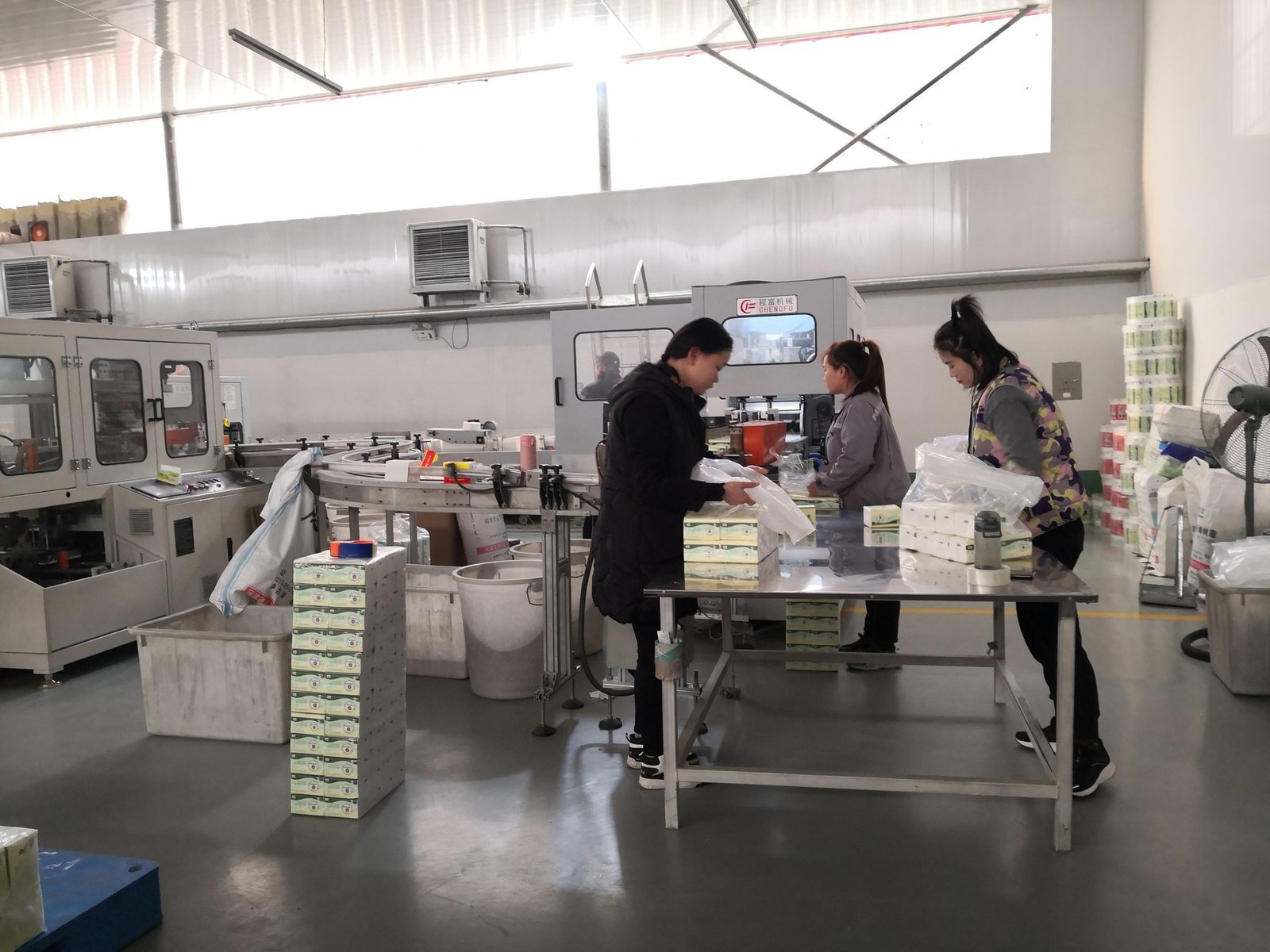
The pre-production stage matters most on a private-label program because of where it sits in the schedule. First bulk production runs 25-30 working days, a window that explicitly contains packaging plate-making, sampling and outer-carton printing. The pre-production unit is the first object made from the same plate, tooling and reel allocation as your goods; approve a counter sample instead and you have approved somebody else’s product.
Sign the Roll, Not the Photograph
An approval is a pair: a version-numbered specification sheet and the artefact that sheet describes. With only the artefact you argue about what it proved; with only a photograph you argue about a camera’s white balance. Inspectors treat the stage as definable work: the QIMA sample review service describes confirming technical files and specifications at the pre-production point and reviewing samples against the buyer’s stated specifications. Fields worth having on tissue:
- line, SKU, ply (1, 2 or 3) and grammage: the portfolio runs 13-45 GSM, standard toilet tissue 13-18 GSM, jumbo roll tissue at 18-28 cm diameter; plus core or coreless, roll width, cut length and sheets per wrap;
- emboss type, micro, edge or the 3D net pattern used for absorption, and how it registers against the perforation, deco or point-to-point; lamination by composite heat bond or glue, with edge non-delamination on facial tissue;
- brightness target and reading method; lint and dust, where the mill-side control is micro-hole purification; wet-burst on the kitchen and hand-towel lines; meterage, controlled through rewind tightness and cut length;
- carton spec and drop test, pallet, strapping and moisture-proof packing; Tianjin Xingang and your term, FOB, CIF, CFR or EXW.
One limit, and most disputes die on it: no tolerance band, acceptance percentage or inspection sampling level is published here as a factory standard. Tolerances are lines you write on the purchase order; whatever stays off the sheet stays unlocked.
What Drifts Between an Approved Sample and a Sealed Container
Hand feel is a symptom, not a property. Name which property moved, and which control should have seen it.
| Property | Why it moves | Signature at goods-in | Where it is caught |
|---|---|---|---|
| Grammage | Another reel lot, rewinder tension | Lighter wrap, thinner sheet | In-process patrol; your weigh-back |
| Ply bond | Bond energy with speed and tension | Plies peel at the perforation | Patrol gate; peel test on the lot |
| Emboss depth and registration | Roll wear, nip pressure, pattern centring | Flatter hand; deco off the perforation | Retained sample under matched light |
| Brightness | Pulp and bleaching lot | Cooler or warmer white side by side | Mother-roll sampling for brightness |
| Sheets per wrap, cut length | Rewind tightness drift, meter change | Short roll, count misses the wrapper | Meterage control; your arrival count |
| Carton and bag print | Plate wear, ink lot, board or film | Hue shift across the brand block | Pre-shipment check against a plate proof |
| Roll hardness | Tension set to hold line speed | Telescoping, sheets torn in dispensers | Tension check; dispenser trial |
| Moisture at packing | Paper trades water with bay air | Soft flutes, sheets cling, musty wrap | Tightness check, packing record |
Two rows need the mechanism spelled out. On the kitchen line emboss depth is not cosmetic: the published 40 percent gain in water and oil absorbency is attributed to the 3D net pattern, so a pattern flattened by tooling wear is a functional loss on a sheet that still looks correct. And moisture can be right at the rewinder and wrong at your door, because a loaded container crosses dew point daily. Count disputes are handled separately, in the guide to verifying a delivered short roll at goods-in.
The Retained Set: Two Copies, One Version Number
A reference kept in one place is a rumour. Insist that a sealed copy of the approved unit stays at the converting site and that yours came from the same reel, not merely the same SKU, both labelled with purchase order number, sheet version, line, date and reel lot. Photograph the sealed bag with the label legible, so a year later nobody has to prove which roll you approved.
Sealed matters. Tissue is hygroscopic and light-sensitive, so an office reference unwrapped on a sunny desk drifts too, and every comparison it joins becomes suspect. Keep it bagged, out of light, and judge delivered goods against it side by side under one lamp. How long you keep it is your risk horizon, not a mill policy.
The file half is concrete: name the artwork and formulation version behind your golden sample on the sheet, so a third-order comparison retrieves a file rather than redraws one. The plate archive and its reorder economics sit on the packaging page.
What Approval Should Say Before the 25-30 Working-Day Clock
The calendar is a sequence of decisions. Sampling and small-sample dispatch take 1-3 working days. First bulk production takes 25-30 working days, with plate-making, sampling and outer-carton printing inside it. Reorders take 20-25. The lock shuts before the first clock: once a plate exists, the cheap direction of travel is forward, and a late change lands on your reorder rhythm too.
The approval note names the reference and the checks, not the packaging. Goods shall conform to specification sheet version n and to the retained pre-production sample numbered on it, the sheet governing where they differ. What the sample was made from: reel allocation, embossing tooling, line, date. Which fields you verified, and how, so a claim is not answered with “you approved this”. A deviation list: a pattern accepted as approximate. Your tolerance bands, as your own numbers. The evidence that ships with the goods and which sheet field each item speaks to. And the shipping-sample step, a lot pulled before cartons close, so the first comparison happens in Baoding.
Where a number helps and none is published, do the arithmetic and label it as such, not as a tolerance this mill states: an approved wrap of 180 g against a shipping-lot wrap of the same sheet count at 168 g is 6.7 percent less mass per wrap. Whether that is a claim depends on the figure on your purchase order, not on how the roll felt.
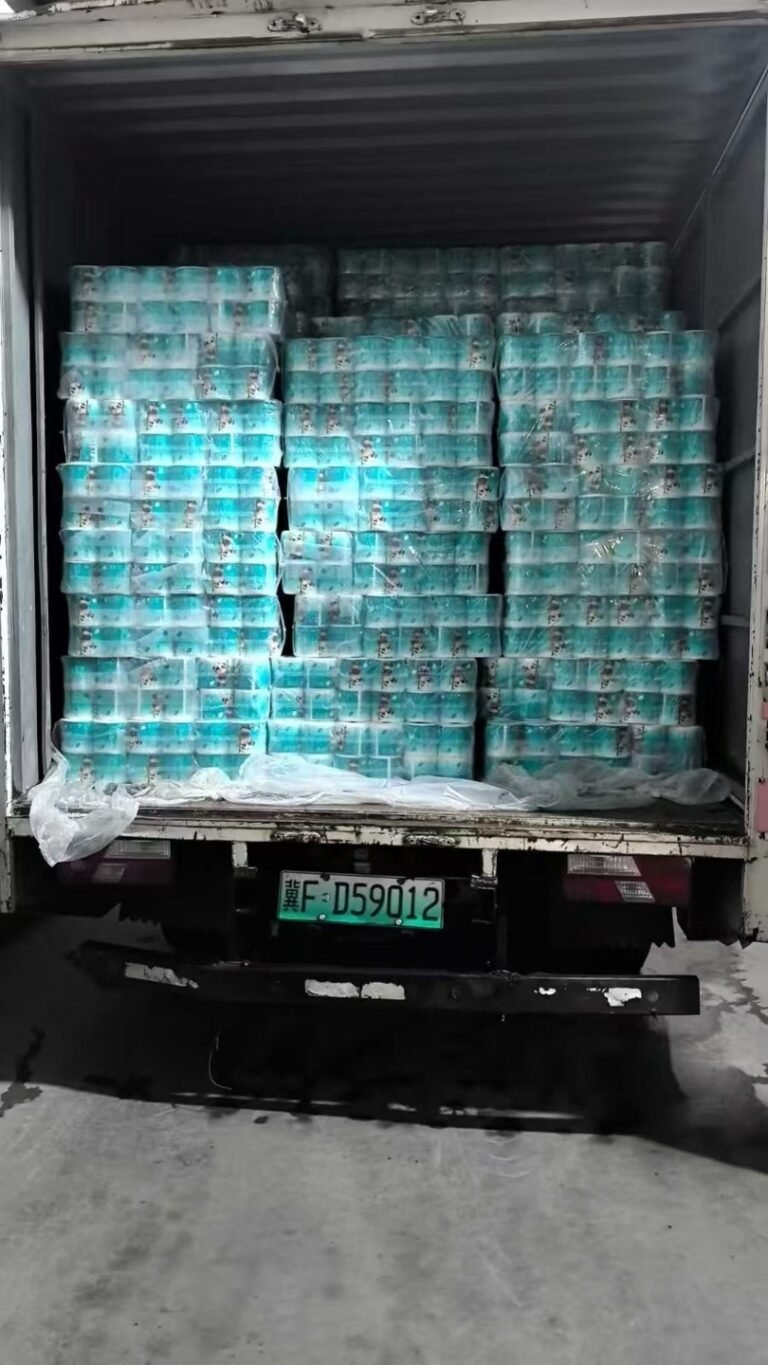
Two facts decide how much of this is about print. A custom colour-printed carton and a printed outer PE bag together commit one 40’HQ, while white-label product ships as a shared 20GP; on that second route print disputes vanish and the paper ones stay as sharp as ever. The trade-side artefacts are gathered on the buyer resources index.
How the Three Gates and the Evidence Package Close the Loop
Three quality gates run here, and they map onto the drift list better than most factory descriptions do. Mother-roll sampling for tensile and brightness inspects the material before anything converts, so it sits behind the brightness row. The in-process patrol during rewinding covers grammage, tension and the perforation line, and four signatures from the table, ply bond, registration, roll hardness and meterage, live or die there. The pre-shipment check on carton spec and drop test compares artwork with box.
Then the paperwork that travels with the goods: the virgin-pulp COA, the inspection video and the packing records, whose full contents the certifications and QC reports page itemises. Request them referenced to your sheet version and read each against it, which is the difference between evidence and a folder of photographs; the COA shows whether the lot that converted was the lot you signed. Which reports are worth asking for sits on the page on tissue paper certifications and QC reports.
When the Container Does Not Match the Reference
Quarantine before you de-palletize the load. Photograph cartons and one broken roll with the sealed reference in the same frame under one light, so the comparison is reproducible. Record the method behind your arithmetic, cartons opened, pallets sampled, weights and counts, and copy lot markings against the packing list.
Then write the notice against field names. “The hand feel is different” invites a shrug; “shipping-lot grammage measures below the band at clause 3 of specification sheet version 2, weigh-back attached” starts a negotiation. The resolutions are the ordinary three: sort or rework, an allowance against the next order, or a claim. The case this page prevents is the property never written on the sheet, where your drawer reel proves only that you liked it. Issue version n+1 with the missing field and shut that lock before the next clock.
What This Page Owns and Where the Adjacent Pages Begin
This page owns the approval-sample stage and the artefacts that make it enforceable: the four stages, the sheet a roll is signed against, the retained set, the wording on file before production, and the drift list. Contract clause structure for splices and tails in jumbo rolls is carried by jumbo roll splices and tails, and verifying a delivered lot on arrival lives on sheet-count verification at arrival. Whether you face a mill or a trader in disguise, which decides who can produce such a sample at all, is answered by paper-specific supplier proofs; which QC reports and certificates to request, on the certifications and QC reports page. Voyage-caused condition changes belong to moisture-proof container loading, and a price that looks too good is examined in the audit of a cheap bulk toilet paper quote. Payment milestones and the release evidence between the 30 percent deposit and the 70 percent balance, QC report and seal video included, are treated on the page covering payment structure for resellers: that page owns the money sequence, this one owns the reference. The packaging spec sheet and its plate-archive terms are owned by private-label tissue packaging, and approving the printed proof and emboss sample is the gate held by custom printed toilet paper; this page stops at the paper reference, not the print artwork.
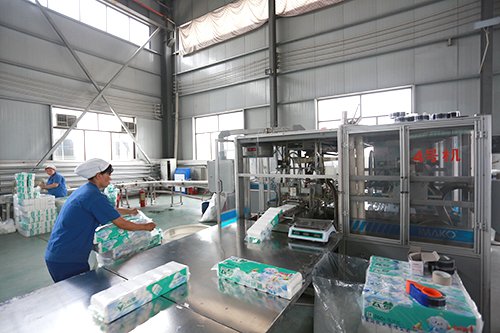
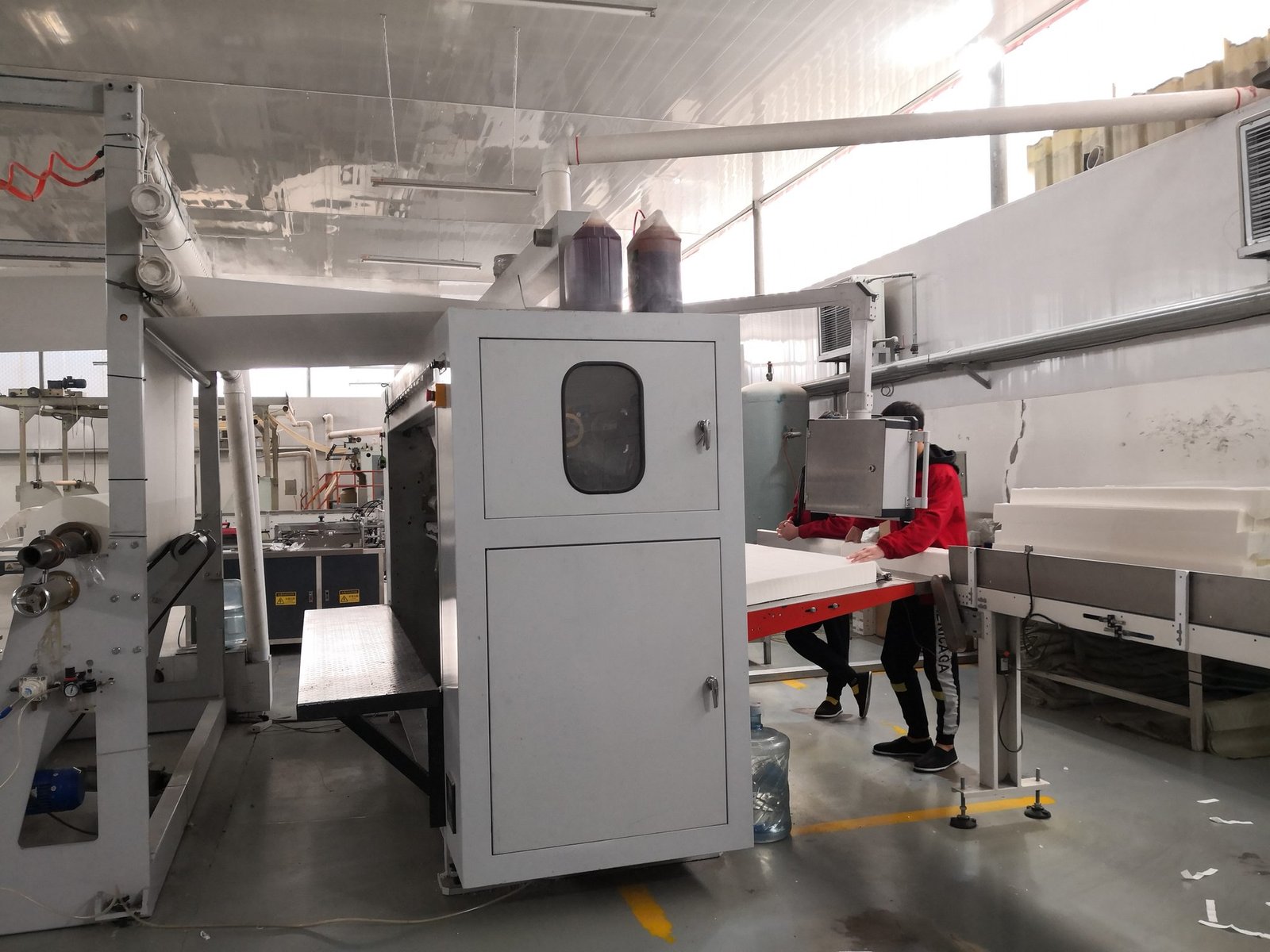
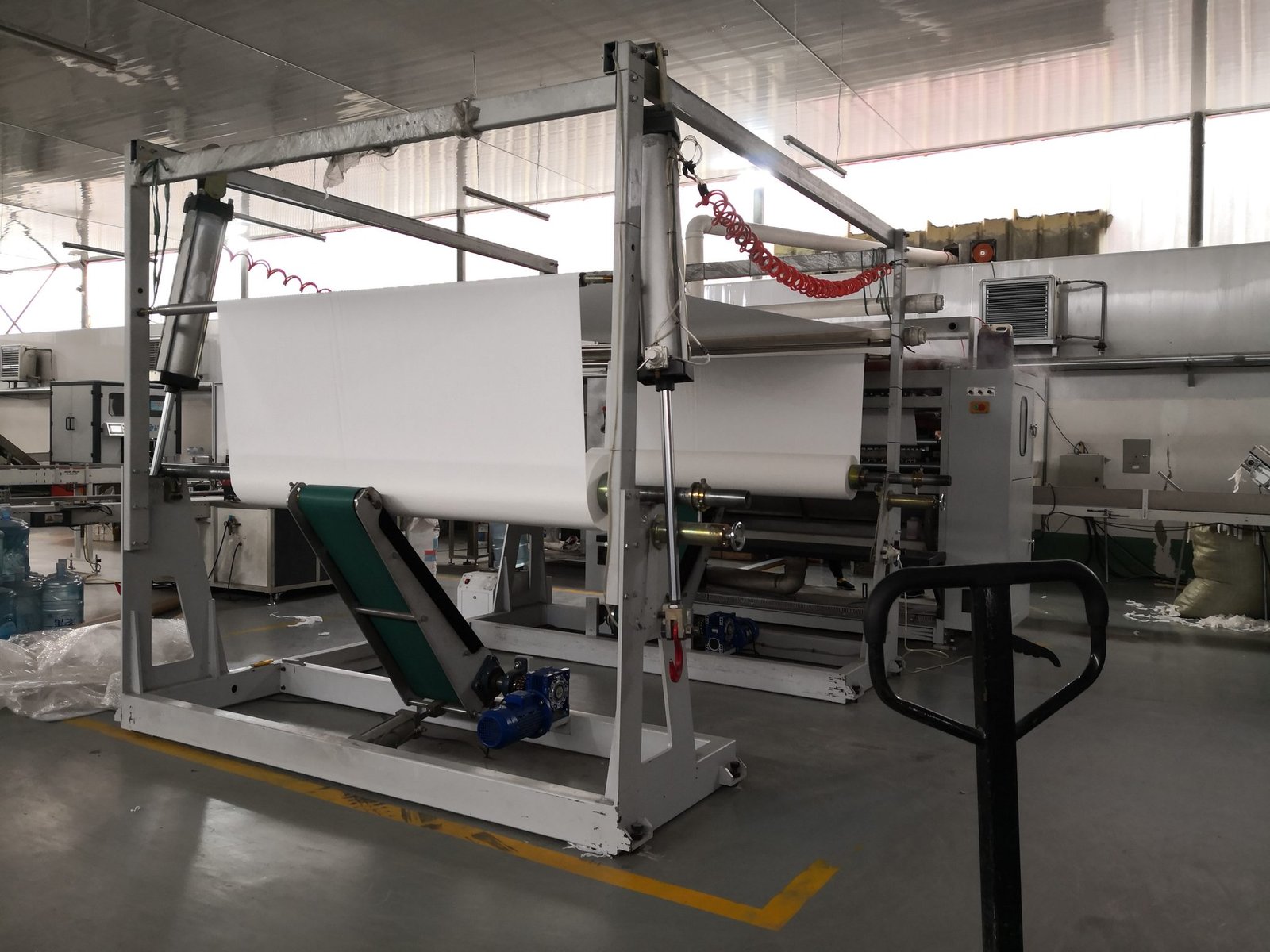
Video: “toilet tissue paper manufacturing process” on the Top Source Paper channel (@topsourcepaper4025). It shows toilet tissue being produced at this mill, the converting activity behind the properties above. It is not a sample-approval or inspection-room video: no sample is sealed, labelled or compared in it, and it does not replace the shipment evidence package.
Frequently Asked Questions
What is a pre-production sample and how does it differ from a counter sample?
A counter sample comes from existing stock and proves a line can convert something in that family. A pre-production sample is made from the materials and tooling assigned to your order: allocated mother rolls, the embossing roll, the plate printing your carton. Only the second describes your goods and belongs in a conformance clause. Sampling and dispatch take 1-3 working days.
Who keeps the retained golden sample and for how long?
Both sides should hold a sealed copy of the same approved unit, labelled with purchase order, sheet version, line, date and reel lot. Duration is your decision and not a published mill policy; hold it until the last container sells through. Name the artwork and formulation version on the sheet; the plate archive and its reorder terms are covered on the packaging page.
Can I approve a sample from photos or a video call?
You can look, but you cannot lock. Camera exposure and white balance carry the reading, so a photographed white is not a brightness target and a photographed carton is not a colour standard. Approve the physical unit against a version-numbered sheet, keep your sealed copy, and require a shipping lot pulled before cartons close.
Which properties drift most between an approved tissue sample and a container?
Grammage and ply bond first, since both track the pulp lot and rewinder tension. Then emboss depth and registration against the perforation, brightness between bleaching lots, sheets per wrap and cut length as rewind tightness moves, print colour as plates wear, roll hardness, and moisture at packing. Emboss depth is functional on the kitchen line, where the 40 percent absorbency gain is attributed to the 3D net pattern.
What should my written approval say before production starts?
Name the sheet version and a numbered retained sample, the sheet governing on conflict; what the sample was made from; which fields you verified and how; the deviations it could not show; your tolerance bands as your own numbers, since none are published as a factory standard; the shipping evidence mapped to sheet fields; and the shipping-sample step. Sign it before the 25-30 working-day clock, which already contains plate-making.