Visiting a Chinese Tissue Factory: The Day-of Audit That Alibaba Photos Never Show
Short answer: a tissue factory visit worth its airfare is a process audit, not a showroom tour. On the floor you verify four things product photos cannot: that the converting line matches the claimed capacity, that the lab tests the same properties you will inspect against on arrival, that the parent rolls on the shelf match the pulp grade in the quote, and that someone other than the owner signs off on quality. The deliverable you leave with is not a handshake; it is a written specification, a signed approval sample, a list of the lab equipment and test standards the mill actually owns, and the name of the QC person who will release your production. Bring the questions from the supplier scorecard, walk one full production order end to end if the factory will let you, and treat every verbal claim you cannot point to on the line as unproven.
Most first-time importers fly to China, sit in a polished meeting room, watch a promotional video, eat a banquet, and sign. The factories that invest in showrooms are not the factories that invest in consistent conversion; the difference between the two shows up only when you are standing where the jumbo rolls come off the rewinder. This guide is the audit checklist for that standing portion of the trip: what to look at on the production floor, what to verify in the QC lab, what to open in the raw-material warehouse, and what to get in writing before you leave the building.
Before You Arrive: Set Up the Visit as an Audit
Send a one-page request list three days ahead and make the factory confirm it: the production schedule for the days you will be there, the technical sheets for the three SKUs you are quoting, the lab’s equipment list and the standards it tests against, and permission to watch one live order run from parent roll to packed carton. A factory that quietly agrees is usually a factory with nothing to hide; a factory that suddenly has a schedule conflict on the exact day of your visit is giving you its first and most useful data point. If you are still shortlisting suppliers at this stage, the comparison scorecard article is the framework; the visit is where its rows either hold or collapse.
On the Floor: What a Real Tissue Line Looks Like Running
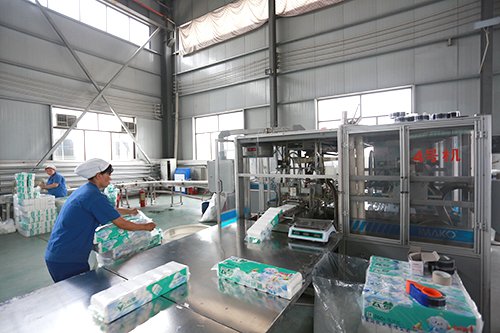
A converting line is a chain, and you are checking that every link exists and is busy. Watch the unwind, the embossing and lamination (count the plies actually bonding, do not trust the label), the perforation, the rewinding into logs, the log saw, and the packing station, in that order. Three specific tells separate a genuine converter from a trader with rented time: whether the machines are actually running product while you walk the line rather than parked and spotless, whether the waste and splice bins next to each machine look like a machine that has been running for hours, and whether the operators have the same spec sheet you were quoted. A capacity claim you cannot match to machines currently cycling is the claim you should price in with skepticism; the capacity and QC questions are framed with numbers in the factory capacity and QC evaluation guide.
In the Lab: Test the Things You Will Dispute Later
Ask the lab to run, in front of you, the three or four properties that decide whether your rolls pass on arrival: GSM, ply bond, sheet count on a measured run, and water absorption or wet strength if your SKU is towel. Two audits in one: can the mill measure what matters, and does its in-house method match what you will test against at your port? If the mill has no GSM scale and everything is “by feel from experience,” you have discovered that your arrival inspection is the only quality control in the chain, which changes who you hire and when. Request the written QC report template the factory will actually deliver with your production, not a generic certificate; the report formats worth demanding are broken down in the certifications and QC reports guide. National product standards for tissue exist and are published by China’s standardization administration; the GB paper product standards catalogue is maintained at std.samr.gov.cn, and naming the correct standard on your spec sheet turns “is this GSM good” into a testable clause. Third-party audit firms such as Intertek publish their factory audit service descriptions openly; if your own visit is impossible, a paid process audit by an agency that will send you photos and footage is the next best thing.
In the Warehouse: The Rolls You Quote Are the Rolls You Ship
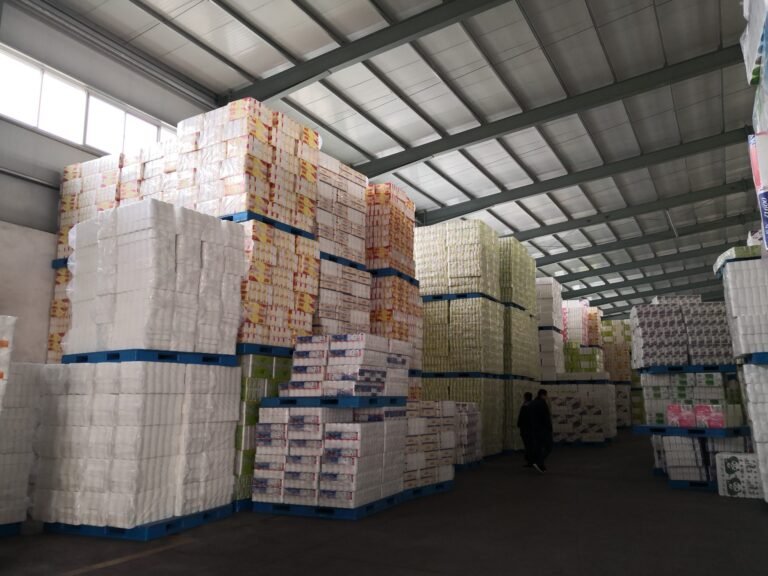
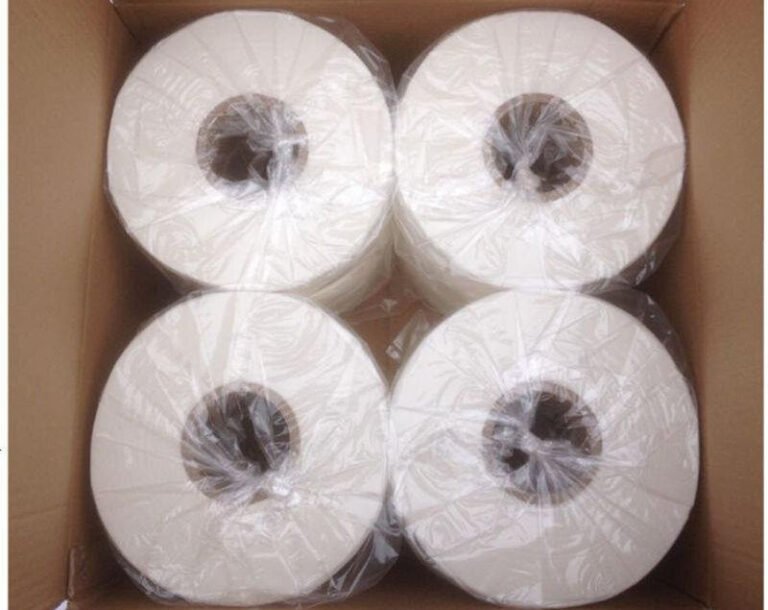
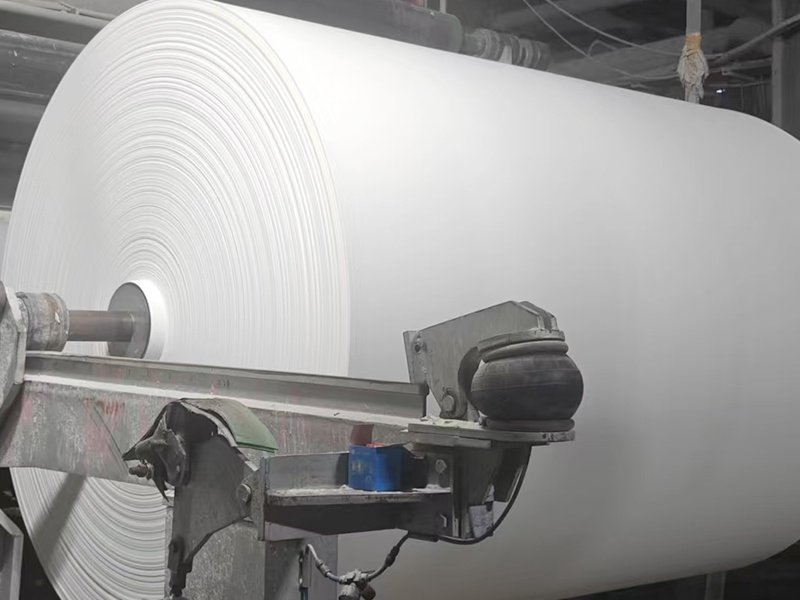
Open the mother-roll inventory. Check three things. Whether the parent rolls on the shelf carry the grade and supplier marks consistent with a virgin-pulp quote, because paper does not lie about its furnish as easily as prose can; how wide the age spread on stored rolls is, because a warehouse full of old stock means either slow lines or a mill buying whatever pulp was cheap; and whether the storage is enclosed and dry, because tissue that has already absorbed warehouse humidity before conversion can pass every floor test and still fail in your DC. The grade question is decided long before the visit, in the virgin versus recycled parent roll comparison; what the visit adds is the chance to see whether the answer in the quote is the answer on the pallets.
What to Get in Writing Before You Leave
Five documents, not vibes. A signed technical specification per SKU (GSM, ply, sheet count and roll dimensions, core, packaging, with the named GB or agreed test method). The signed approval sample you pulled from the machine while watching, taped and dated by both sides. The mill’s lab equipment list and test-method notes. The name and title of the QC lead who releases production, recorded on the spec sheet itself. And a production-capacity statement: current monthly converting capacity, and the window you may book. The reason these five matter together is that a payment schedule, however clever, is only enforceable against a defined product; the deposit-and-balance mechanics of the payment terms guide lean directly on the spec and the release signature you collect on this visit.
The Three Most Expensive Signals a Visit Can Give You
First, the subconcession pattern: a factory that agrees instantly to every written demand is not confident, it is unpracticed with serious buyers, and the paperwork you sign will be the first of its kind. Second, the tour route: a visit steered toward the showroom and the sample room and away from a running order is the most common single dodge, and the same dodge appears in the factory-versus-trader proofs, because traders physically cannot show you a cycling line. Third, the answer to “who else in my market do you already ship”: a specific, verifiable name (you will confirm it at the port) is the strongest competence signal on the trip; “many customers in Europe” is what the sales script says.
Budget the Day Properly
A tissue audit that takes three hours in one morning tells you almost nothing. Reserve a full day per factory, arrive with the schedule copy you requested, and split the day deliberately: floor during the busiest shift, lab during an actual test run rather than a demonstration, warehouse after a delivery or before a container loading if the mill will let you time it, and a closing working session where the five documents get signed while both sides are still in the room. Two factories in one day is the pace that produces missed tells; one, with your interpreter briefed that “audit” is the job of the visit rather than “courtesy,” is the pace that produces the evidence. The transport you book yourself, and the hotel you choose yourself: a visit organized end-to-end by the sales team starts, not ends, with a bias.
FAQ
Do I really need to visit before a first tissue order?
Not always, but on a first factory with meaningful volume, one day of floor time replaces a month of email and catches the trader-with-rented-line case no photo set can. If a visit is impossible, commission a third-party process audit and demand the photo set.
What is the single most important thing to verify on the floor?
Whether the claimed capacity is actually running while you are there: machines cycling, waste bins telling the truth, operators holding the same spec you were quoted.
What documents should the visit produce?
A signed per-SKU technical spec with named test methods, a dated approval sample pulled from the line, the lab equipment and method list, the name of the QC person who releases production, and a written capacity-booking window.
Can the factory fake a busy production line for my visit?
Fake one machine, not a whole chain with believable waste, shift records, and a spec-matched parent roll inventory. The warehouse and the splice/waste bins are the parts that are hardest to stage.
Who should run a lab test during the visit?
The mill’s lab, on the properties you will inspect against, in front of you, with its own equipment; if the mill cannot measure your spec properties at all, your arrival inspection becomes the entire quality system and that changes your budget.