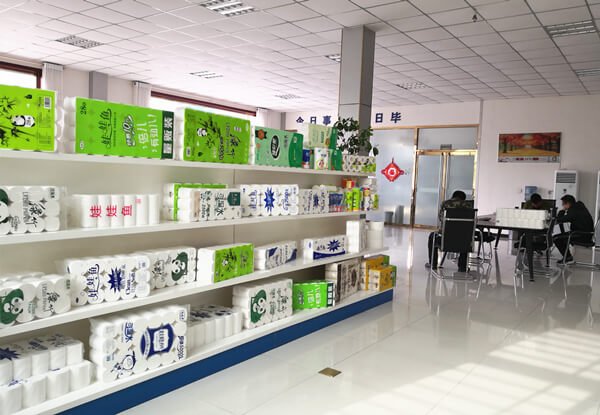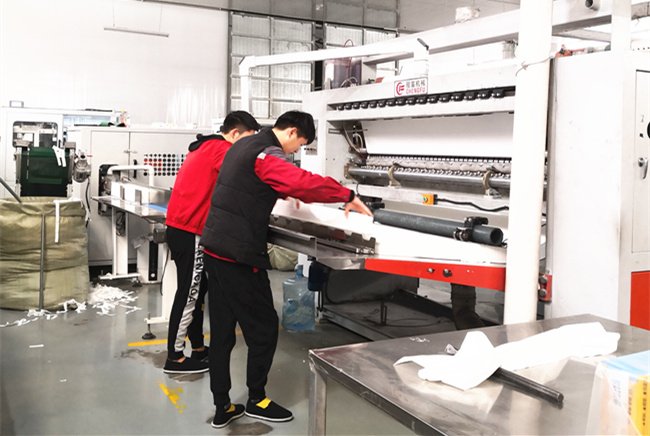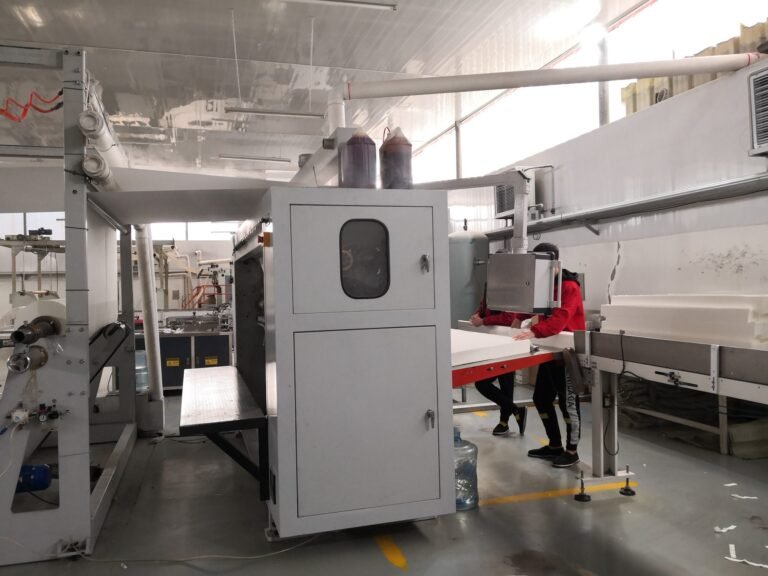
Most suppliers use white label and private label as one word with two spellings. They are not. The difference is not a thicker carton or a nicer font; it is which balance sheet line you are changing. White label is a sourcing decision about whose name is already on the goods. Private label is a brand decision about whose name you are paying to put there, and everything that follows it is owned by you.
That distinction is worth stating because the two routes carry different container commitments, different lead times and different legal obligations at the US border, and a distributor comparing quotes without separating them ends up choosing the wrong one for the wrong reason. This is also not the OEM-versus-private-label question, which asks who develops the product; that one is answered separately.
Key Takeaways
- White label means selling a supplier’s existing specification under no brand of yours; private label means commissioning your own brand on packaging you own.
- Plain and white-label tissue ships from a shared 20GP container; custom colour-printed cartons and outer bags start at one 40’HQ.
- First production takes 25-30 working days on either route, but only the private-label route includes packaging pre-press.
- A private label’s artwork and formula are permanently archived here, and reorders carry no repeat plating charge.
- US rule 16 CFR 500.15 requires counted multi-ply goods to declare ply and total usable units, and roll goods to declare total area and ply.
- Circana statistics released by PLMA, as reported by Retail Dive, put US private-label dollar share at 21.3% against a unit share of 23.5%, a gap that describes the price point.
- 19 CFR 134.11 requires an imported article or its container to show the English name of its country of origin to an ultimate US purchaser.
- Two Words That Are Not One Decision
- Comparison Spine For The Route Choice
- What White Label Actually Buys You
- What Private Label Actually Buys You
- Why This Is Not The OEM Question
- Whose Name Carries The Label Duty
- What The Market Data Actually Says
- Reorder Economics Are The Hidden Half
- Which Risk Are You Actually Holding
Two Words That Are Not One Decision
Strip the marketing language out and the two routes differ on one axis: whether the goods arriving at your warehouse have an identity that belongs to someone else. White label is a product somebody already specified, already tooled and already prints as a neutral carton, which you buy and resell. Private label is a product carrying your name, your artwork and your claim set, which means the specification became yours before the press ran.
Neither is better in the abstract, and the reason people get this wrong is that they compare unit prices. Compare instead what each route does to three things you cannot easily change: how fast you can respond to a customer, how much capital you commit before a sale is proven, and who is answerable for what the package says.
There is a third term in the conversation that adds noise rather than information. Plenty of listings advertise both, which is why a quote that says “private label from two boxes” and a quote that says “white label from one container” are describing different commitments while using the same vocabulary.
One warning on vocabulary before anything else, because the trade does not use these words consistently and neither does this site. Some suppliers and several guides in this cluster use “white label” to mean a factory-standard product carrying the buyer’s own brand on the packaging. This article uses the stricter trade sense: white label as goods in neutral, unbranded packaging that you resell, and private label as goods under artwork you commissioned. The distinction that actually carries money is not the word but the print. If your carton is printed with your name, you hold the plate, the artwork and the pack declaration, and you commit a 40’HQ. If it is neutral, you do not. Read any article in this cluster, including this one, against that line rather than against the label.
Comparison Spine For The Route Choice
| Constraint | White label | Private label |
|---|---|---|
| Minimum commitment | Shared 20GP, mixed grades allowed | One 40’HQ for printed cartons and bags |
| Who owns the artwork | Nobody, it is neutral | You do, and it is archived |
| Pre-press before production | None | Carton and wrapper plate work |
| Time to first container | 25-30 working days | 25-30 working days, with plate work inside it |
| Reorder lead time | 20-25 working days | 20-25 days, no repeat plate charge |
| Quantity declared on pack | Whoever sells to retail carries it | Your name means you carry it |
| Resale if the plan changes | Sellable to another channel | Only sellable under your brand |
| Brand equity created | None, or the supplier’s | Accumulates with you |
Rows one and seven do more work than the rest, and they point the same way. A shared container of neutral cartons is inventory you can redirect; a printed 40’HQ is inventory you have already decided where to sell. The route that looks more expensive per unit on day one is often cheaper on day two hundred, and the reason is optionality rather than paper.
Both routes draw on the same plant, the same 100% virgin wood pulp furnish and the same one-to-three-ply range across a portfolio that runs 13-45 GSM. Nothing about the paper changes when the carton does, which surprises more buyers than it should.
What White Label Actually Buys You
Speed and cover, and both are worth money in a market where lead times move.
White label is the route a janitorial distributor takes when a customer asks for a grade the catalogue does not carry, or an importer takes when testing whether a market exists. Because a plain or white-label load consolidates into a shared 20GP, several grades and formats travel on one commitment, and the goods stay generic enough to move through a second channel if the first one stalls. Samples of the actual product go out in 1-3 working days, which means a white-label decision can be tested in a week rather than a quarter.
The cost is invisible on an invoice and obvious in a meeting. Somebody else’s specification is not becoming your reputation. A customer who buys three containers of generic jumbo rolls has no reason to prefer you over the next distributor who quotes a few cents less on an identical carton, because there is nothing on the carton to be loyal to.
Verdict: white label is the correct first move and the wrong permanent one. It is a way to buy information about a market without buying a brand, and it earns its keep exactly as long as that is what you are doing with it.

What Private Label Actually Buys You
Private label buys you an asset that appreciates, and it asks you to fund it before it pays.
The mechanics here are specific and worth stating because they change the reorder maths. A customer’s dedicated private-label design drawings and formula are permanently sealed and archived at this plant, and reorders are not charged a repeat plating fee. Read that as a switching cost that works in your favour rather than against you: the first container carries the plate, and every container after it does not, so unit cost falls as the brand proves itself instead of staying flat.
The commitment sits in front of that benefit rather than behind it, and it is worth being exact about the calendar while you are at it. Custom colour-printed cartons and outer bags start at one 40’HQ, and packaging pre-press, sampling and outer-carton printing are already inside the quoted 25-30 working days rather than bolted onto it. Artwork therefore has to be finished and approved early enough to sit within that window, which is the practical reason a first private label should be started slowly: the packaging line you approve is the packaging line you are holding for the length of that container, and nothing about it can be quietly revised once the press has run.
Verdict: choose private label when you already know who buys the product and why they would buy it again. If you are guessing on either half of that sentence, the shared container is telling you something and you are not listening.
Why This Is Not The OEM Question
A reader arriving from the OEM conversation should not have to read it twice, so the axes are worth separating cleanly.
OEM and ODM ask who develops the product: does the factory build to your specification, does it supply a design it already owns, or does it engineer something for you. White label and private label ask a different question entirely: once the goods exist, whose identity travels with them to the shelf. You can buy white-label OEM goods and you can commission a private label from a catalogue specification. The two decisions are made in different meetings with different people, and a buyer who settles them together tends to settle the wrong one first.
The build, formulation and development-model side is argued properly in the OEM against private label manufacturing comparison, and the specific formulation levers sit in the guide to custom tissue formulation. What follows stays on the branding axis.
Whose Name Carries The Label Duty
This is the part of the decision most tissue buyers have never been shown, and it is the one that produces an argument with a broker at the worst moment.
Sell a consumer pack of tissue into the US and the package carries a legal quantity declaration. Under the Federal Trade Commission’s counting rule, goods supplied in distinct usable units made of one or more plies must declare both the number of ply and the total number of usable units, on top of the size of each unit; 16 CFR 500.15 illustrates it with its own example, “100 2-ply facial tissues, 8 1/2 inches × 10 inches” (21.5 × 25.4 cm). Rolls are handled differently inside the same section: they are expressly not usable units regardless of perforation, and are declared by total area plus ply, supplemented by a count statement and the dimensions of a single unit.
Origin marking travels with the goods either way. 19 CFR 134.11 requires every imported article of foreign origin, or its container, to be marked conspicuously, legibly, indelibly and permanently to show an ultimate US purchaser the English name of the country of origin.
The difference between the routes is who is answerable. A neutral carton bought for a trade counter keeps the arithmetic upstream, where whoever fills it declares it. A printed pack carrying your name puts that declaration on your name, and a mismatch between the printed count and the actual metreage becomes your problem rather than a supplier’s. Neither route outsources that to the factory, and a buyer who wants written assurance about their own labelling obligations needs a customs broker or counsel rather than a tissue mill.
What The Market Data Actually Says
The commercial case for private label usually leans on one number and misses the interesting one.
US private-label sales rose 3.3% to a record $282.8 billion while national brands grew 1.2%, and volume reached 68.7 billion units, up roughly 430 million, according to Circana statistics released by the Private Label Manufacturers Association and reported by Retail Dive. Over the preceding five years, private-label sales grew by more than 30% and dollar share moved from 19.1% to 21.3%. Every figure below is that same released set; none of it is our estimate.
The number to hold onto is the pair. Dollar share sits at 21.3% while unit share sits at 23.5%. Store brands therefore sell a disproportionate share of the units and a smaller share of the money, which is only possible because they are priced below national brands on average. That is the honest framing of the opportunity, and it cuts both ways.
It means a private label wins shelf space by price, so a white-label product you re-badge does not automatically earn a premium just because it now has your name on it. It also means the growth is structural rather than a trend, so a distributor who has been treating their own brand as a future project is late rather than early.
| Figure | Value | What it supports |
|---|---|---|
| US private-label sales | $282.8 billion, record | Scale of the channel, not of your category |
| Growth versus national brands | 3.3% against 1.2% | Structural shift, not a forecast |
| Unit volume | 68.7 billion units | Demand exists at store-brand price points |
| Dollar share | 21.3% | Revenue share of the shelf |
| Unit share | 23.5% | Units outrun revenue, so price point sits lower |
Reorder Economics Are The Hidden Half
Nobody decides a route on the first container. They live or die on the fourth, and the fourth behaves very differently between the two.
The plate-fee arithmetic on a reorder is already worked through in the OEM against private label comparison and is not re-derived here; what matters is what that settled cost structure does to your flexibility. A white-label reorder is a logistics event and nothing more. Same specification, same neutral carton, 20-25 working days, and the order can be resized, mixed with another grade or cancelled against a slow quarter without anything printed becoming waste. A private-label reorder is a logistics event plus an asset: the cartons that arrive are specified to nobody but you, and nothing else in your catalogue can substitute for them.
That asymmetry is the argument. Private label gets cheaper per unit as the brand repeats, which is precisely what makes it harder to exit, because the archived carton is an investment in one product only. A distributor who plans to run three brands across five grades should read that as a warning; one who plans to own a category in one region should read it as the point.
Working capital is the tiebreaker most often ignored. One 40’HQ of printed cartons is a season of storage and a season of commitment, at exactly the stage where the least certain assumption in your plan is demand. A shared 20GP lets the same capital sit across two markets until one of them earns the print.
Which Risk Are You Actually Holding
State the decision as risk rather than as margin, because margin is what both routes claim and risk is what separates them.
| Your position | Route | Risk you are accepting |
|---|---|---|
| New importer, unproven market | Shared 20GP white label | Thin differentiation, price competition |
| Distributor with a repeat customer base | Private label, one hero grade | Container of committed packaging |
| Facilities or janitorial supplier | White label across formats | No brand equity at all |
| Regional grocery or pharmacy brand owner | Private label with own artwork | Your name carries the pack declaration |
| Reseller testing a second country | White label first, print second | Slower growth, cheaper failure |
| Beauty or hospitality brand extending lines | Private label across categories | Artwork and plate work per line |
The pattern is worth naming out loud. White label transfers brand risk onto you and takes product risk away. Private label does the reverse: the product is settled the moment the artwork is, and the risk moves entirely onto whether anyone will buy the thing under that name. Most failed tissue programmes die in the second category, and most successful distributors start in the first.
Both routes draw on the same delivery terms, FOB, CIF, CFR or EXW ex Tianjin Xingang, with 30% T/T and the balance before shipment confirmed against a QC report and a container-seal video, and both ship with the same physical-index certificate covering tensile strength, brightness and virgin-fibre verification. The branding decision changes the packaging, the commitment and the accountability. It does not change the paper, and a supplier who tells you a private label is better paper is selling you something else.
Private-label packaging objects, board weights and inner-bag choices are set out in the guide to custom cartons and inner bags, the container arithmetic is in the MOQ comparison of 20GP against 40HQ, and the launch sequence itself belongs to the private label launch guide. Full-line options under both routes are listed on the OEM and private label page.
Before you sign either way, ask for three things in writing: the minimum container for the exact packaging you want, not the product; whether a reorder carries a plating charge; and the pack declaration your own broker will expect at the port. A supplier who answers all three without hedging is worth a container. One who answers the first with “it depends” and nothing else is quoting you a white-label price for a private-label promise.
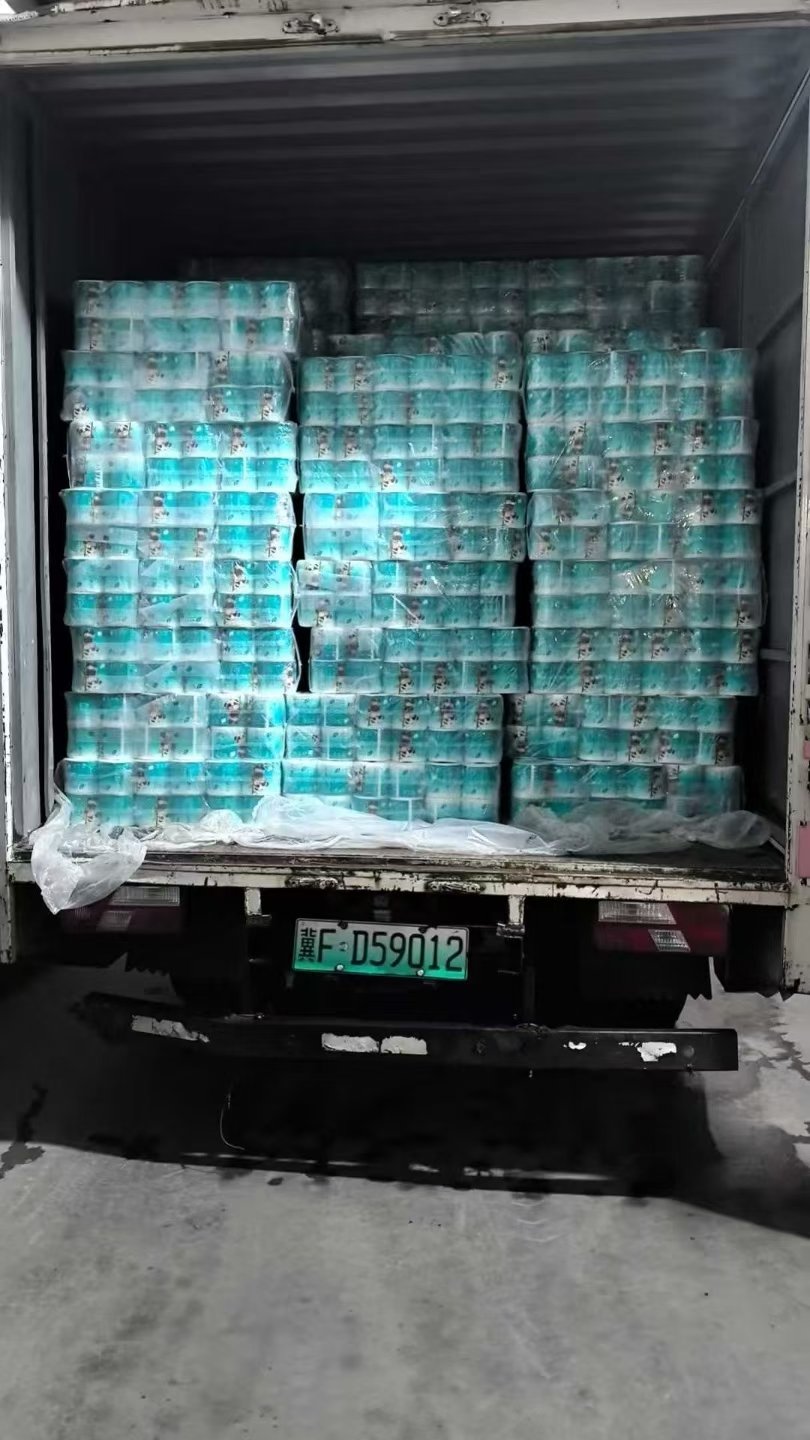
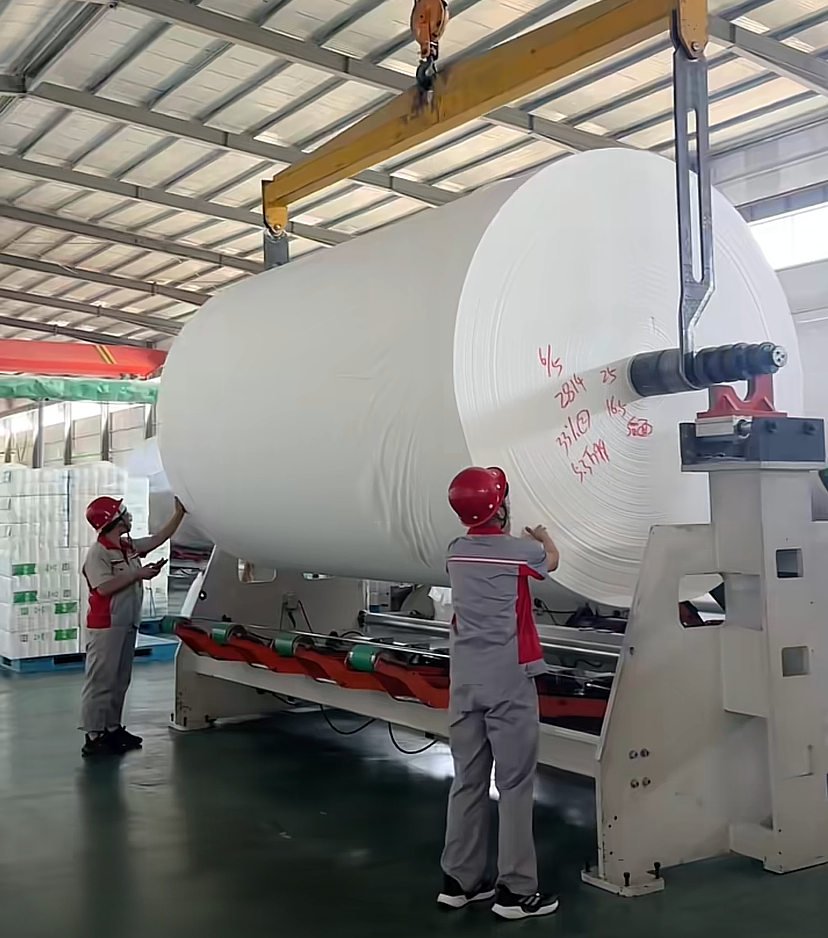
Video: “Jumbo Roll Tissue manufacturing process”, Top Source Paper own channel. The same parent roll feeds both the white-label and the private-label route.
Frequently Asked Questions On White Label Tissue
What is white label tissue paper?
Tissue made to a supplier’s existing specification and shipped in neutral or unbranded packaging for you to resell. Nothing on the carton is yours, which is why it can ship from a shared 20GP container.
What is the difference between white label and private label?
White label sells somebody else’s identity at your price. Private label commissions your own artwork and brand, so the packaging, the plating and the quantity declaration on the pack all become yours.
Do I need a full container for private label tissue?
For custom colour-printed cartons and outer bags, yes, starting at one 40’HQ. Plain and white-label goods can instead consolidate into a shared 20GP with other grades.
Does private label cost more over time?
Usually less after the first order. Artwork and formula are archived once and reorders carry no repeat plating charge, so unit cost falls while the commitment risk stays tied to your own brand.
Is white label or private label better for a new importer?
White label first. It tests a market across several grades on one shared container, and it converts into a private label once you know which grade repeats. The reverse order commits capital before demand is proven.