Most “custom tissue” listings on wholesale marketplaces are really a fixed product with your logo dropped onto it. A genuine private-label tissue program is different: you specify what the sheet is made of and how it behaves before you decide what the wrapper says. Ply, basis weight, embossing system, and purity are the levers that determine whether a product survives as a brand or gets quietly replaced the next time a distributor finds something cheaper. This guide is for the brand owner building a formulation, not the shopper buying gag-gift novelty paper.
We will walk the four spec levers, explain what a custom formula actually locks down across reorders, and handle the question every tissue buyer eventually hits, whether to add scent or lotion, honestly against what a purity-positioned factory commits to.
Lever One: Ply And Basis Weight Are Not The Same Dial
The most common formulation mistake is treating ply and GSM as one “thickness” number. They are separate. Ply is how many layers are bonded together; GSM (grams per square meter) is how much fiber is in each layer. A soft 2-ply facial tissue can still be a light paper if each ply sits at the low end of the weight band, and a single dense ply can out-weight a lazy 3-ply.
We build across 1-ply, 2-ply and 3-ply with multi-layer lamination, inside a portfolio basis-weight range of 13 to 45 GSM. The formulation skill is choosing the ply count and the per-ply weight together to hit a target hand-feel and a target cost per pack, rather than defaulting to the highest ply number. For why tissue construction differs from bath tissue at the line level, the facial tissue versus toilet paper manufacturing comparison is the reference.
Lever Two: The Embossing System Sets Feel And Dust
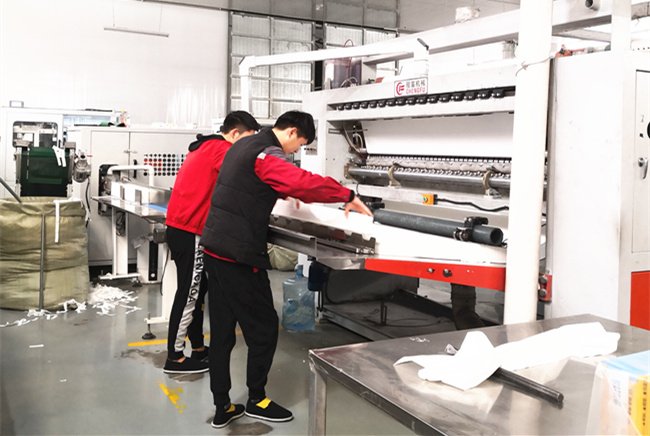
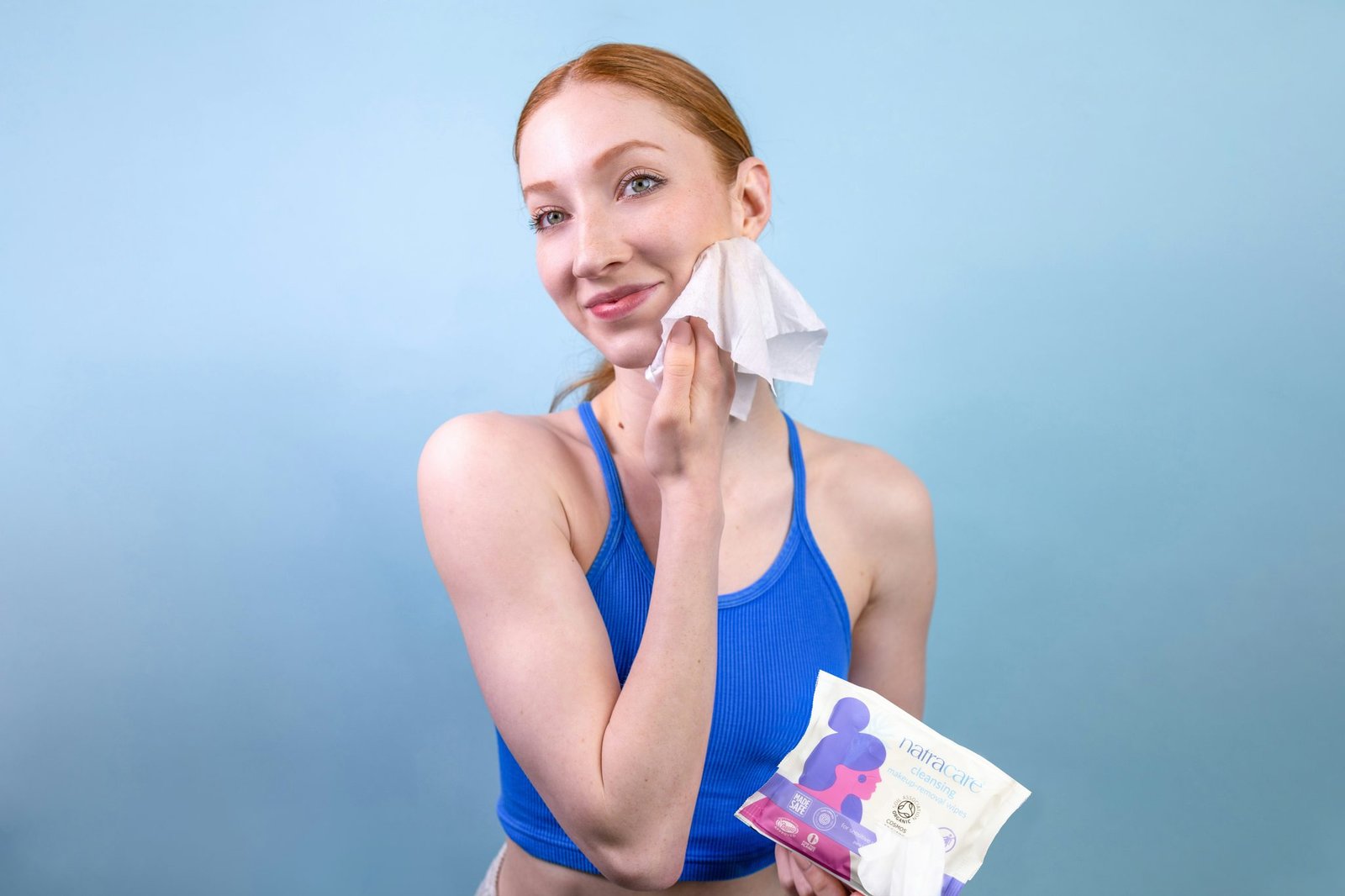
Embossing is not decoration; it is a functional choice that changes bulk, absorbency, drape and how much loose fiber a tissue sheds. We work in three systems. Micro embossing gives an all-over texture that lifts softness without heavy glue. Edge embossing bonds the plies at the perimeter so the sheet holds together and does not delaminate mid-use. Deco or point-to-point embossing creates a pronounced pattern that maximizes bulk and absorbent pockets. For facial tissue specifically, plies are heat-bonded with edge-delamination control and a zero-dust micro-pore purification step that keeps loose paper dust low, which is the spec a sensitive-skin or premium-market brand is actually selling.
The pattern itself is customizable, so a brand can make embossing part of its identity, but the system, micro, edge or deco, should be picked for the performance target first. The OEM versus private label manufacturing guide covers who owns that tooling decision.
Lever Three: Purity Is The Line You Should Not Cross
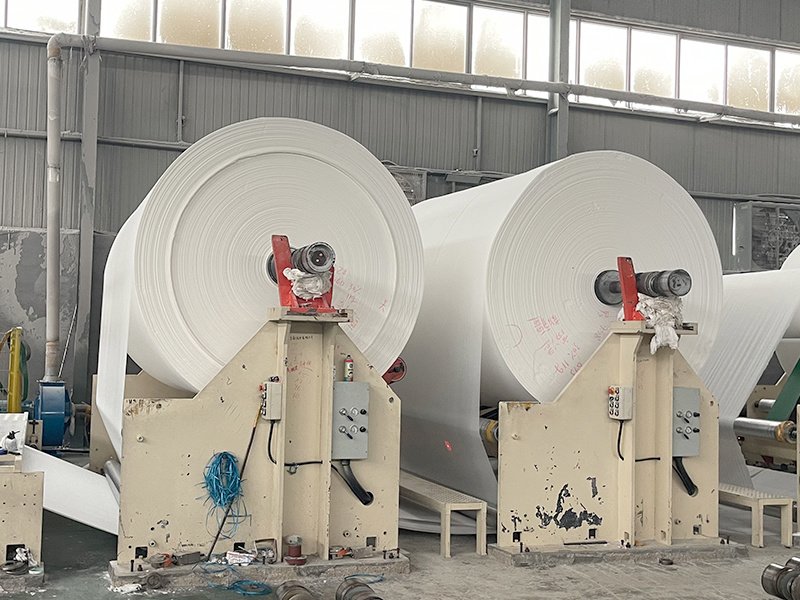
A private-label brand lives or dies on whether it can make the claim on its pack without getting challenged. Our floor is 100% virgin wood pulp with a controlled long- and short-fiber ratio and no de-inked recycled furnish, no fluorescent brightening agents and no harmful chemical additives, positioned food-contact safe. That purity stance is what lets a brand truthfully claim “no fluorescent brightening agents” and “no recycled fiber” on the pack, backed by a first-party COA verifying virgin-fiber content, tensile strength and brightness. A claim like “for sensitive skin” sits on top of that base, but it is the brand’s own substantiation file to carry, not something the material COA proves for you.
The Four Levers At A Glance
Before the detail, here is the whole formulation in one view, so you can see which dial does what before you spec a private-label run.
| Lever | What it controls | Top Source spec range |
|---|---|---|
| Ply | Number of bonded layers; softness vs cost | 1 / 2 / 3 ply with multi-layer lamination |
| Basis weight (GSM) | Fiber per layer; hand-feel and bulk | 13 to 45 GSM portfolio band |
| Embossing system | Bulk, absorbency, drape and dust | Micro / edge / deco point-to-point |
| Material purity | Which claims the brand can defend | 100% virgin pulp, no FA, no harmful additives, food-contact safe |
| Additives (scent / lotion) | Extra claim risk against a purity story | Outside the additive-free spec; a separate formulation |
Lever Four: Scent And Lotion, Handled Honestly
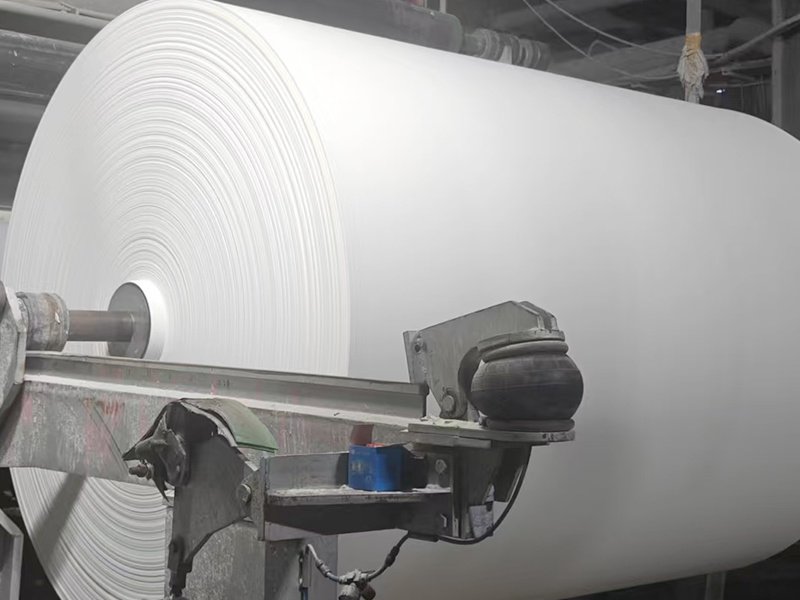
Sooner or later a buyer asks about fragrance or a lotion-infused tissue, and you will see “with fragrance” private-label listings in the market. Here is the honest framing rather than a sales pitch. Scent and lotion are additives layered onto the sheet, and they sit in direct tension with an additive-free, no-harmful-chemicals positioning. A factory that markets purity should not quietly become a fragrance house to win one order.
Our spec commits to the additive-free end of that trade: zero-dust purification and no unnecessary chemical load, which is the more defensible story for sensitive-skin, baby, and premium facial markets. If your target market genuinely demands a scented or lotion SKU, treat it as a separate formulation conversation with its own claim-substantiation work, not as a checkbox on a purity line. What we do control end to end is the four levers above plus the pack, and that is where a private-label tissue brand earns repeat purchase.
What A “Custom Formula” Locks Down Across Reorders
The part buyers underrate is continuity. A private-label formulation is only an asset if run two stays identical to run one. On a custom program, your design drawings and formula are archived and encrypted permanently at our end, so your specification stays on file for your reorders and you are not re-charged plate-making fees. Samples of the exact formulation ship in one to three working days so you can hand-feel the ply, weight and embossing before committing, white-label trials can start from a shared 20GP container, a custom-printed private-label program starts at one full 40HQ, first production runs 25 to 30 working days and reorders 20 to 25.
That combination, four spec levers, an honest purity and scent stance, and an encrypted formula archive, is what turns “custom tissue” from a sticker on somebody else’s product into a formulation you own. Spec the full program against the private label tissue launch guide and quote it at line level on the OEM and private label page.
Video: tissue paper manufacturing and converting process (Top Source Paper)
Frequently Asked Questions On Custom Tissue Formulation
What do I customize when I launch a private-label tissue?
Four levers decide the product: ply count, basis weight (GSM), embossing system and material purity. Print and packaging sit on top of that spec, not instead of it.
Is ply the same as thickness?
No. Ply is the number of bonded layers; GSM is the fiber weight per layer. You tune both together to hit a target softness and cost per pack.
Can you make scented or lotion tissue?
Our committed spec is additive-free with zero-dust purification, which is the defensible story for sensitive-skin and premium markets. A scented or lotion SKU is a separate formulation with its own claim work, not a default.
Do I pay plate fees again on a reorder?
No. On a private-label program your design and formula are archived and encrypted, so reorders do not re-charge plate-making fees. White-label trials start from a shared 20GP; custom print from one 40HQ.
The four formulation levers name embossing as one dial; the tissue paper embossing spec guide turns that dial into pattern-family, face and bond-geometry lines on the purchase order.