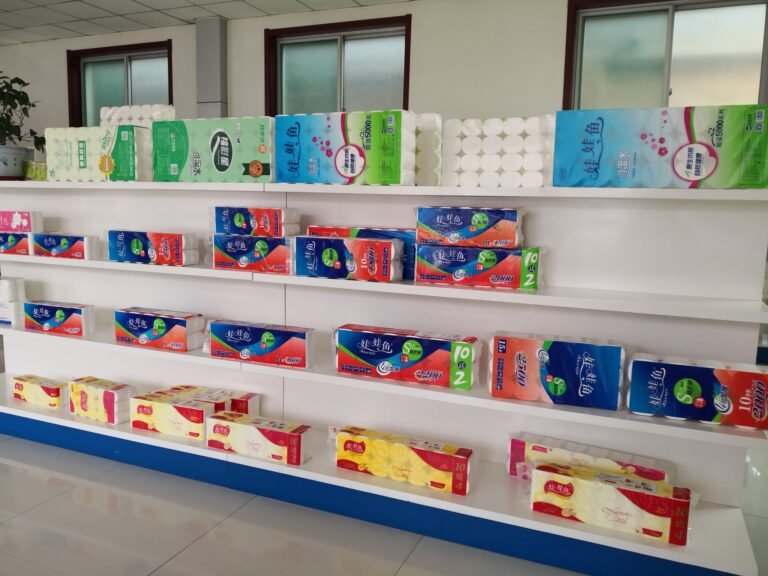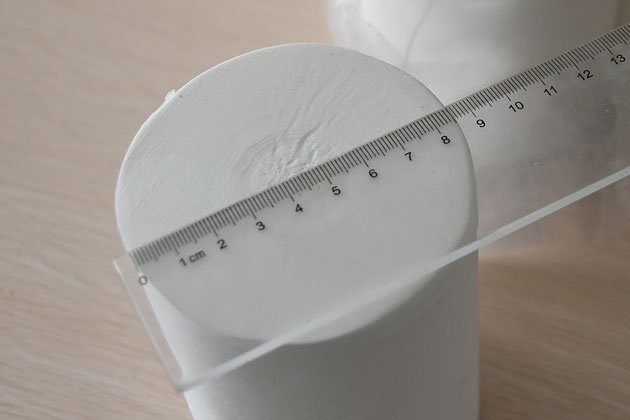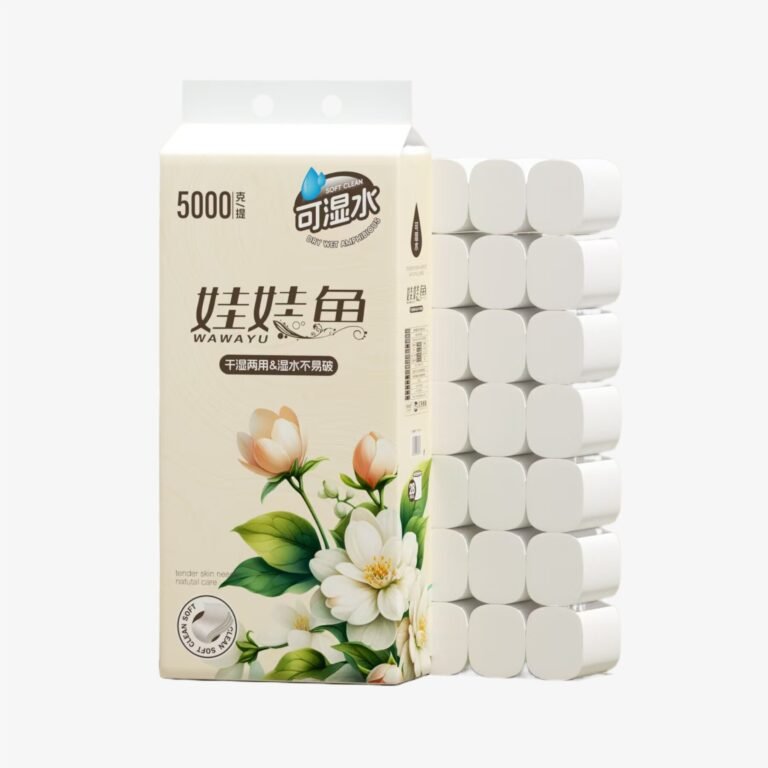
A toilet paper brightness figure is the first line procurement people copy from a supplier PDF and the first line they should distrust. It arrives as a bare percentage, sometimes with a “fluorescent-agent free” claim beside it, and the buyer has no way of knowing whether the number came from a lab instrument, a mill’s own estimate, or a sheet dosed with optical brighteners that force the reading upward.
The gap matters because brightness is not one property but three separate questions: how the paper was measured, what made it white, and what the number costs you when the goods land. A 100% virgin-pulp mill and a recycled-paper converter can hand you the same headline number and two completely different products.
Key Takeaways
- Brightness is a lab measurement of diffuse blue reflectance, standardised for paper by ISO 2470-2 (D65 brightness); without the method named, the number has no fixed meaning.
- Optical brightening agents absorb UV and re-emit blue light, inflating the measured figure; a high reading is not proof of white fibre.
- This mill runs on 100% virgin wood pulp and specifies no fluorescent brightening agents, so the brightness here comes from pulp and bleaching, not dosing.
- The North American Contact Dermatitis Group patch-test series (Belsito et al., Journal of the American Academy of Dermatology, 2002) found detergents a rare cause of confirmed allergic contact dermatitis – five positives among 738 people patch-tested – but that is dermatology on detergents, not a safety certificate for your tissue.
- 21 CFR 176.170, the FDA rule importers cite for paper in food contact, sets a chloroform-soluble extractives limit of 0.5 mg per square inch; it does not contain a fluorescence ban, however often spec sheets say it does.
- The EU Eco-label for tissue paper is established by Commission Decision 2009/568/EC; buyers who want brightener-restricted goods can require documentation against that scheme instead of trusting a claim.
- A UV torch screens for brighteners; it does not verify them. Pair screening with a COA that carries a brightness line and a shipment sample you keep.
- Brightness Is Measured, Not Seen
- What Optical Brighteners Do to the Number
- The Allergy Question and What the Evidence Says
- What the FDA Paper Rule Actually Contains
- Requesting Proof Through the EU Ecolabel
- Reading a Brightness Line on a COA
- The UV Torch Is a Screen, Not a Verdict
- Brightness Against the Other Lines on the Sheet
- How to Cost-Proof a Brightness Claim
Brightness Is Measured, Not Seen
Ask a mill for its brightness and the honest answer starts with the instrument, not the number. Paper brightness is the diffuse blue reflectance factor of a sheet under a defined illuminant, and the method that fixes those conditions for pulp and paper is ISO 2470-2, the part of the 2470 series measured under outdoor daylight conditions, which the trade shortens to “D65 brightness.” China’s adopted equivalent runs under the same principle as GB/T 7974.
The Illuminant Is the Argument
D65 contains ultraviolet; indoor light types do not. A sheet loaded with optical brighteners reads materially higher under a UV-rich illuminant because the brightener converts invisible UV into visible blue, and that blue adds to the reflected light the instrument counts. Two labs, two lamps, two numbers, same roll. This is why a spec that quotes a bare brightness number is incomplete rather than informative, while “D65 brightness per ISO 2470-2” at least tells you which argument you are having.
Why Whiteness Feels Like Quality
Buyers read white as clean because, in the recycled-fibre story, it often is the tell. Pulp made from recovered paper carries grey and needs either heavier bleaching or brightener dosing to photograph well on a shelf. That association is real enough to be useful and weak enough to be gamed, and the whole of this guide sits in that gap: the eye cannot audit the number.
What Optical Brighteners Do to the Number
Optical brightening agents are fluorescent dyes bound into or laid onto the fibre. They do not remove colour; they hide it by adding blue emission that cancels the yellow a greyed sheet still shows after bleaching. Measured brightness rises. Weight, strength, softness and dust behaviour do not.
The Dosage Question Nobody Prints
A virgin wood-pulp furnish bleaches to a high, stable brightness without brighteners, which is why this plant’s spec position is simply that none are added: the material standard is 100% virgin wood pulp with a long/short fibre blend and no recovered fibre at all. On recycled stock, skipping brighteners is a commercial decision the converter almost never makes. Ask a supplier for recycled content and brightener policy in the same sentence, and the pause on the other end of the email answers you.
Where Brightness Is Set in a Mill
The levers sit upstream of any dosing story: pulp grade, bleaching sequence, and the parent reel that enters rewinding. That last one matters for buyers because brightness is inspected at the parent-roll stage here, alongside tensile, before anything is slit into consumer rolls; the parent-reel stage itself is covered in the converting-plant guide to mother jumbo rolls. A mill that checks brightness twice, at reel-in and at finished-goods COA, is describing a process. A mill that only ever quotes you the number is describing a marketing asset.
The Allergy Question and What the Evidence Says
The claim that fluorescent toilet paper “causes dermatitis” circulates through consumer articles in Chinese and English alike, and it deserves a better answer than either fear or dismissal.
The most-cited clinical evidence is the North American Contact Dermatitis Group’s patch-test work published in the Journal of the American Academy of Dermatology in 2002, which examined whether laundry detergents sensitise people. Its finding: reports of allergy to optical brighteners clustered in the early 1970s, detergents appear to be a rare cause of confirmed allergic contact dermatitis, and in the study itself five of 738 patch-tested patients reacted to detergent ingredients. The study record is public.
Two honest caveats sit on that evidence, and a serious buyer states both. First, the tested exposure is detergent on skin through laundry, not tissue products at the point of use. Second, “rare cause of confirmed allergy” is not “zero risk for every sensitive individual,” and no supplier should promise that. What the literature does kill is the carcinogenic-panic framing you will see in consumer listicles; it has no support at the dose levels in paper. It does not, however, prove your customers will not receive complaints about a chalky, heavily dosed sheet, because the dust and dye load on cheap recycled paper is a real-world irritant story all by itself.
Where a genuinely sensitive-skin range is the plan, the substantiation belongs to your brand’s own testing, not to a fibre brochure.
What the FDA Paper Rule Actually Contains
Nowhere in US trade shows up more confidently on tissue spec sheets than the line “FDA compliant, 21 CFR 176.170, no fluorescent matter.” The clause does not say that, and saying so on your paperwork is a small fraud aimed at your own customs broker.
The Real Text
21 CFR 176.170 governs the components of paper and paperboard intended for use in contact with aqueous and fatty foods, and its operative limit on the food-contact surface is a chloroform-soluble extractives ceiling: not more than 0.5 milligrams per square inch of food-contact surface. That is a chemistry limit on what migrates into food, measured by extraction, not a lamp test for fluorescence.
Why the Misreading Persists
Fluorescence in food-contact paper sits with FDA guidance and compliance-policy practice rather than inside 176.170’s numbered limits, and decades of suppliers’ photocopy-photocopy specs collapsed the two into one slogan. The correction is worth money in one narrow but common case: kitchen towel and food-service napkin lines sold as food-contact safe. Those buyers should ask for the extractives test result from an accredited lab, and treat “176.170 fluorescent-free” as a flag that the writer of that spec sheet never opened the clause. The food-grade distinction for kitchen paper is argued at length in the guide to cleanroom and food-grade paper towels.
Requesting Proof Through the EU Ecolabel
If you buy for a European channel, or for any buyer who wants a documented brightener policy rather than a verbal one, the cleanest request is paper made against the EU Eco-label criteria for tissue paper, established by Commission Decision 2009/568/EC.
One boundary before using the name: the Eco-label is a product scheme with licensed holders, and a mill’s moral rights over a claim depend on a licence, not on a philosophy of production. Do not let any supplier blur “we produce like an Ecolabel product” into “we are Ecolabel licensed” — the first is a description, the second is a certificate with a licence number, and only the second survives a tender audit. What the scheme gives a buyer is a citable yardstick: ecological criteria written for tissue paper specifically, current licence holders verifiable through the EU’s register, and a documented basis for restricting dosed brighteners in goods you place under your own brand. If your target is a German or Nordic retail programme, the register check takes an afternoon and removes the vocabulary problem entirely.
Specification language you can paste into a purchase order
“Brightness to be reported per ISO 2470-2 (D65) with the instrument and illuminant stated on the COA. No optical brightening agents added; where a buyer programme requires certified exclusion, goods to be supplied against an EU Eco-label licence for tissue paper (2009/568/EC criteria) with licence number on the commercial invoice.”
Reading a Brightness Line on a COA
A certificate of analysis earns its paper when three things appear on it: the method, the value, and a batch identifier that ties it to the cartons in your warehouse. A brightness line with no method name is a number from a private lamp; a value with no batch ID is decoration. On incoming-goods checks, the discipline is small and constant.
The Three-Check Habit
First, match the COA batch against the carton stencils before the tail-lift touches the floor. Second, pull one roll per batch into a reference shelf and photograph it beside its COA; the file is what wins a claim six months later, not memory. Third, reconcile brightness claims against the other physical lines on the same document, because a report that shows high whiteness and no dust or metreage data is answering only the questions the seller likes.
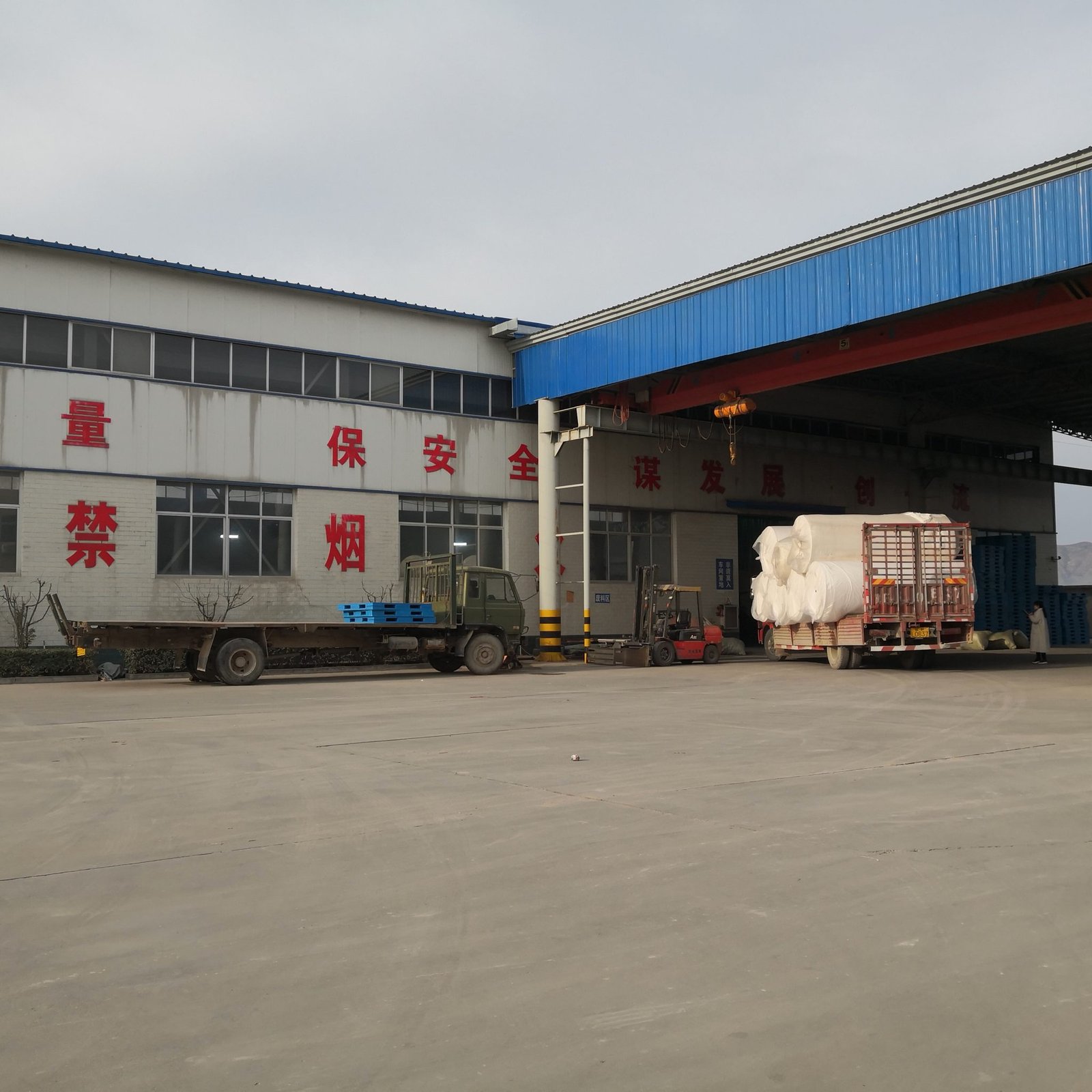
On the supply side here, the paperwork is fixed: every shipment carries a virgin-fibre physical-index COA that includes tensile strength and brightness verification, plus a test-video pack covering wet strength and dust, shot before the goods are sealed. Sampling of the actual product goes out in 1-3 working days, which means the reference roll can be in your lab a week before your first container is even on the water.
The UV Torch Is a Screen, Not a Verdict
Quality inspectors in import markets carry a small UV pen lamp for one reason: it makes the dosing question visible in seconds. Shine 365-400 nm light on the sheet and an overdosed paper glows with a blue-violet flush that bleached virgin stock simply does not.
Be exact about what that proves. A strong glow says brighteners are almost certainly present and probably at a level you did not order. No glow says nothing: bond-stage dosing, low concentrations and certain dye families sit under the lamp’s resolution, and a screening lamp is calibrated by nobody. Labs run brightener determination as an extraction-and-instrument method, and the household-paper test panels offered by commercial labs treat fluorescent brightener checks and brightness measurement (the GB/T 7974 diffuse reflectance method, adopted as the equivalent of ISO 2470-2) as separate line items for a reason — one is chemistry, the other is optics, and your torch is neither. Use the lamp at goods-in to flag a suspect lot; use the lab to build the case.
Brightness Against the Other Lines on the Sheet
Isolated, brightness has wrecked more sourcing decisions than it has saved, because a dosed sheet can look premium and still fail the three properties your customers actually complain about: dust, disintegration and yield per roll.
| Line item | What it controls | How it is verified |
|---|---|---|
| D65 brightness (ISO 2470-2) | Measured whiteness of the sheet | COA value with method named, batch-matched |
| Brightener policy | Whether the number was dosed | Written “none added”; UV screen at goods-in; lab test if disputed |
| Grammage (GSM) | Fibre mass per square metre | Patrol check at rewind; this line: standard toilet paper 13-18 GSM |
| Dust and fibre debris | Shedding on the sheet | Zero-dust purification plus the shipped test-video pack |
| Perforation and metreage | Yield the buyer actually gets | Final-gate check on carton spec and drop test |
Read together, those rows describe one honest product or one cleverly photographed one. Ply and sheet feel are covered in the 1-ply against 3-ply comparison, and flushability — the property that bleaching choices can quietly degrade — in the septic-safe verification guide. A buyer who specifies brightness against this block makes the claim cheaper to honour and faster to enforce.
Video: “toilet tissue paper manufacturing process”, Top Source Paper own channel. Mill process footage from the tissue line; it is not a brightness-test demonstration.
How to Cost-Proof a Brightness Claim
Every section above reduces to one working rule: never pay for a number; pay for a method, a policy and a document trail that agree with each other.
The sequence is short. Name the measurement standard on the PO. Get the brightener question answered in writing before the sample order. Demand a batch-matched COA with the method printed. Screen incoming cartons with a torch and keep a reference shelf. Escalate only what the screen flags, to a lab, with your retained sample as the exhibit. Suppliers whose first COA survives that loop have been quoting you a factory reality; the ones who renegotiate the paperwork after the first flag were quoting you a lamp.
For the broader ordering file — container maths, QC deliverables, payment gates on a first order — the bulk sourcing guide and the janitorial buying guide carry the rest of the stack, and the toilet paper pillar page indexes every line this article tests against. When your spec block is written and you want it priced against actual reels, send it to the mill that prints brightness on its own COA and see which questions come back answered before you ever order a sample.
Frequently Asked Questions On Toilet Paper Brightness
What does toilet paper brightness mean?
A measured value: how much blue light a sheet reflects under a defined daylight-type illuminant, reported as D65 brightness per ISO 2470-2. The number describes a lab reading, not a visual grade, and it changes with the method used.
Is high-brightness toilet paper safe?
Brightness itself is an optical reading, not a chemical you contact. The real question is what produced the reading; the 2002 North American Contact Dermatitis Group patch-test study found detergents a rare cause of confirmed allergic contact dermatitis – five positives among 738 people tested – but that evidence concerns detergents and cannot be sold as a safety certificate for any specific tissue.
How do I check for fluorescent whitening agents?
Screen with a UV pen lamp at goods-in, which flags heavy dosing as a visible blue glow. Because the lamp cannot detect low or bond-stage levels, escalate flagged lots to a lab brightener test rather than deciding the lot on the torch.
Does 21 CFR 176.170 ban fluorescent substances in paper?
No. The clause limits chloroform-soluble extractives from the food-contact surface of paper and paperboard to 0.5 mg per square inch. Spec sheets that cite it as a fluorescence ban have misread the rule, and that line on a supplier document is worth treating as a red flag.
What is the EU Ecolabel and do I need it?
Commission Decision 2009/568/EC established ecological criteria for the EU Eco-label for tissue paper. You need it only when your retail channel or tender requires licensed proof – and before ordering, verify the current criteria version and the supplier’s licence number, since the scheme’s texts are revised; otherwise require the equivalent outcome in writing: brighteners not added, brightness reported with its method.