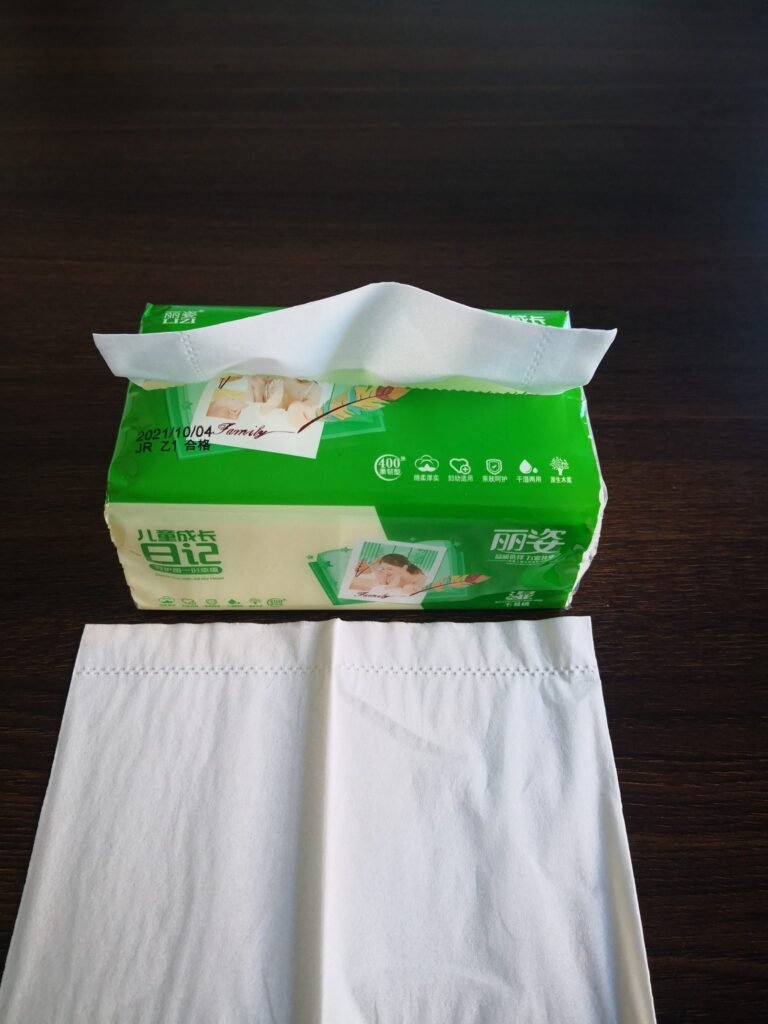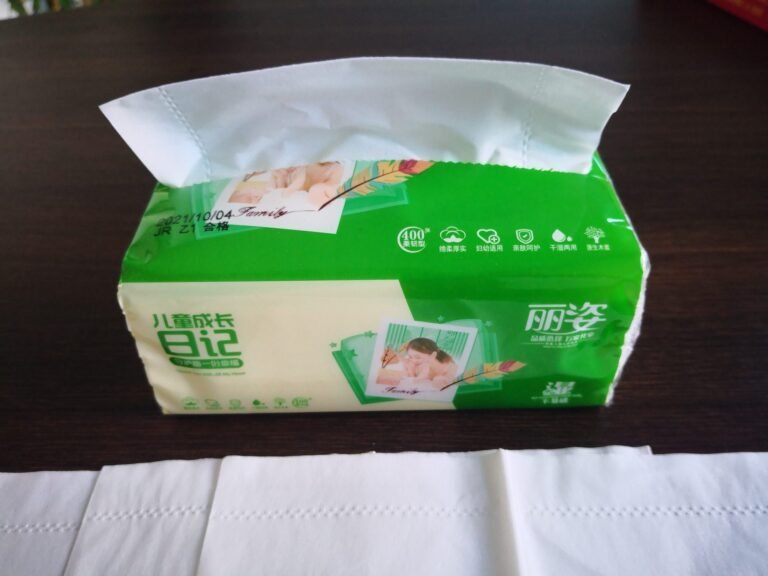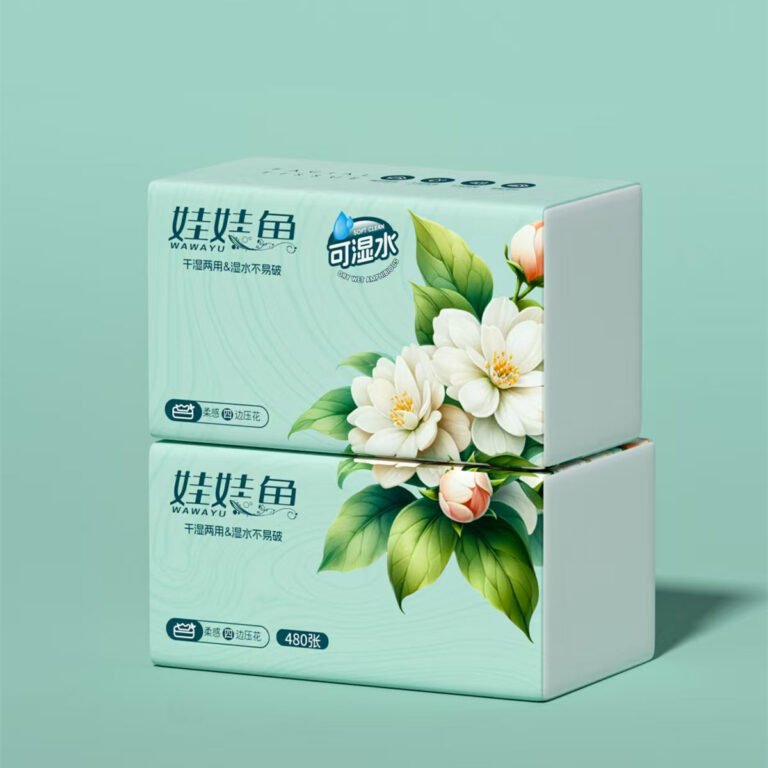
A facilities manager in a regional office group put boxed facial tissue into every restroom on the assumption it was a kinder version of the roll already in there. Six weeks later the plumbing calls had doubled and the tissue vendor was being blamed; it is the kind of story every facilities manager can match from their own log. The tissue was fine. It was simply engineered to hold a moist nose, not to break apart in a bowl, which is the opposite of what a restroom product is built to do.
That story is the whole argument for specifying commercial facial tissue by industry rather than buying one box for the whole portfolio. Buyers search for settings and get listings, so the useful version of this article is a plain answer to a plainer question: which room needs which build, and what does each choice cost you somewhere else.
Key Takeaways
- Commercial facial tissue is a skin-contact product specified on softness and dust, not a restroom product specified on breakdown in water.
- Third-party dry tissue testing lists dispersibility as a parameter run for toilet paper specifically, alongside absorbency, dusting rate and dust content.
- This line builds facial tissue in 2-ply and 3-ply across three formats: cube box, flat box and PE soft pack, on a plant-wide 13-45 GSM portfolio band.
- Edge delamination and paper-dust rate are the two failure modes a salon or clinic notices first, and both sit inside the stated build.
- Wet-strength reinforcement is scoped here to kitchen and hand towels only, so a poolside or clinic wet-hand use is a sample-test question rather than a claim.
- Observed marketplace listings carry MOQs from 2-4 boxes up to 10,000 boxes and 20,000 bags, so the same word covers two very different commitments.
- Plain and white-label runs ship from a shared 20GP; a printed carton or sleeve starts at one 40’HQ, with samples in 1-3 working days.
- Commercial Facial Tissue Is Not A Nicer Box
- The Disposal Rule That Moves The Box
- Workplace Towers And Shared Office Floors
- Hotels And Hospitality Have Their Own Answer
- Salons Spas And Beauty Treatment Rooms
- Clinics And Dental Treatment Rooms
- Schools And Nursery Hygiene Rooms
- Food Service And Retail Front Of House
- Aviation Coach And Long Distance Travel
- Ordering A Range Without Ordering Twice
Commercial Facial Tissue Is Not A Nicer Box
The difference between a commercial facial tissue and the paper already in a building’s restrooms is what each one is expected to do with moisture. A bath tissue is built to lose integrity in water, and that loss of integrity is the property a lab actually tests. A facial tissue is built to stay intact against a nose and a cheek, not to break apart in a bowl. Those are opposite design goals wearing the same stationery.
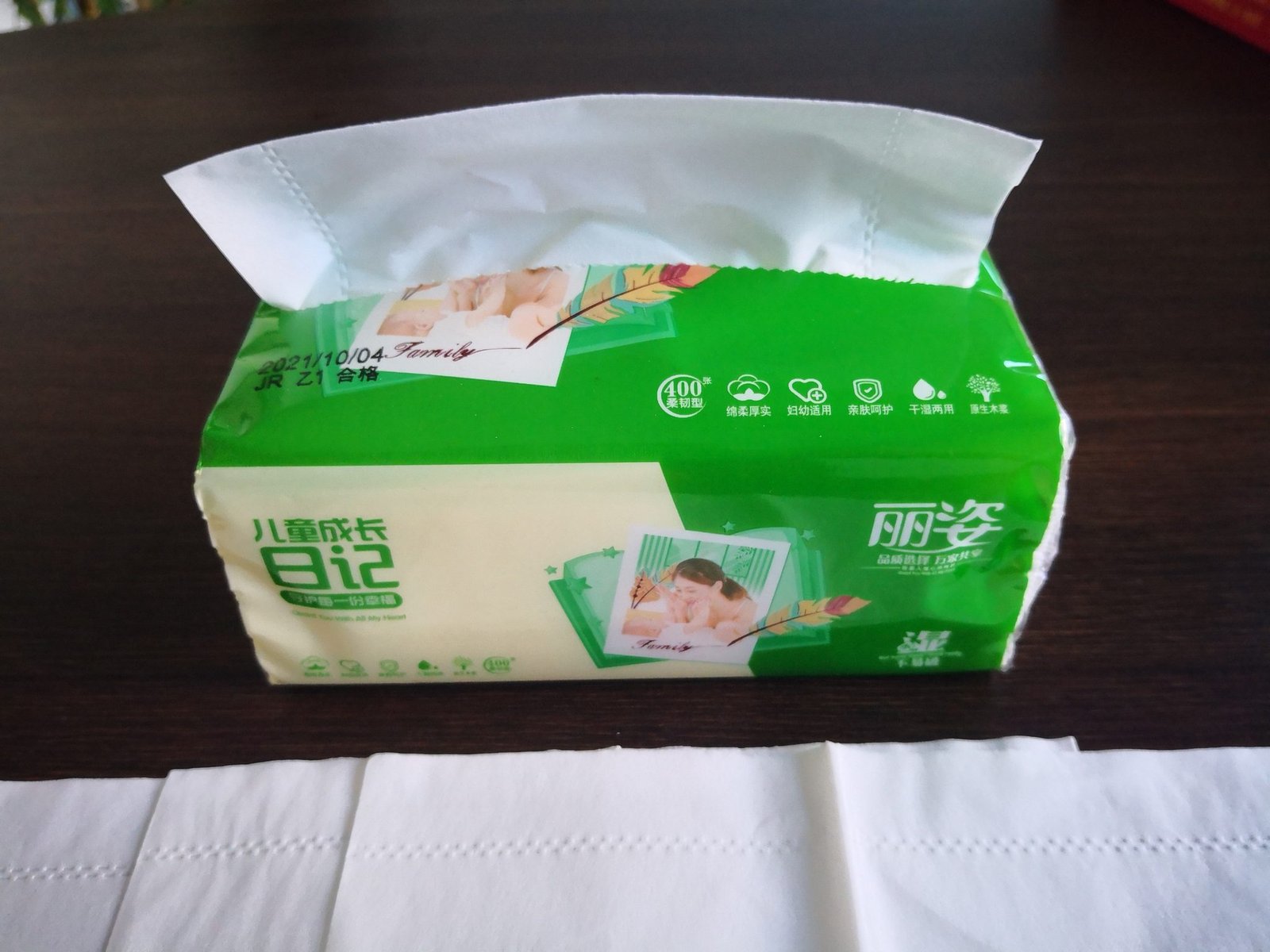
The commercial part of the name is about how it is bought rather than what it is made of. It means a pack sized for a fixture and a restock cycle, specified by a procurement role rather than picked off a shelf, usually in a cube box, a flat box or a PE-wrapped soft pack, in 2-ply or 3-ply, on a plant-wide 13-45 GSM portfolio band. Same furnish, different unit of supply, and a completely different set of buyers.
Format names, board weights and the shelf-side argument for boxes against soft packs are already settled in the packaging formats guide, and the manufacturing difference between facial tissue and toilet paper is argued in the production comparison. What follows is the part neither covers: room-by-room specification.
The Disposal Rule That Moves The Box
Start with the mistake that opened this article, because it recurs in every channel below.
Third-party testing programmes for dry tissue group the usage-performance parameters as water absorbency, dusting rate, dust content and dispersibility, and they scope the last of those as a test run for toilet paper. That is a quiet but useful fact. It means the sheet engineered for skin contact is not the sheet anyone has tested to break apart in a bowl, and a buyer who places it where users expect a flushable product is creating a maintenance bill.
The rule that follows is simple enough to write on a specification: a facial tissue box belongs wherever there is a bin, and a restroom is the one room where users will not use it. In an office kitchen, a treatment room or a front-of-house station that is a non-issue. In a WC, it is the issue. European buyers will meet the same boundary in the EU Ecolabel’s tissue paper and tissue products group, which covers tissues, toilet paper and napkins, currently set by Commission Decision (EU) 2019/70 and valid to 31 December 2028.
What this plant does claim is relevant here and worth stating precisely. The build carries no fluorescent brightening agents and no harmful chemical additives, and paper-dust rate is controlled through a micro-pore purification process. Dust is what a clinic manager sees on a black cabinet within a week, and it is the property that separates a tissue meant for faces from one meant for hands.
Workplace Towers And Shared Office Floors
Twenty to sixty people, one kitchenette, a cleaning round twice a week, and a landlord who will not approve new fixtures. Take any office floor with those numbers and it is the easiest room to specify and the easiest to over-specify.
A cube box on a desk or a shared counter is the default for a reason: it stands, it presents, and it restocks without a liner bag ritual. The trade-off is volume per restock, because a single box carries fewer sheets than the soft pack a floor will actually consume in a week. Where cleaning visits are the scarce resource rather than shelf space, a PE soft pack in a kitchen station usually wins.
Verdict: cube boxes for reception and meeting rooms where appearance is being paid for, soft packs for kitchenettes and shared desks where consumption is what matters. Do not put either in a restroom.
The genuine cost here is not paper. It is the extra touch a cleaner makes when a box empties between visits, and the number of units that has to be stored to keep that from happening.
Hotels And Hospitality Have Their Own Answer
Hospitality is the one setting on this list where this article is the wrong place to look, and it should say so rather than restate someone else’s work. Hotels buy facial tissue by zone and by star band, and the arithmetic of rooms, amenity counts and a published per-room quantity benchmark is handled in the guest-room and lobby spec guide, with the sourcing side in the bulk hospitality guide.
What belongs in a cross-industry list is the single transferable lesson. Hospitality is the only channel where a branded box is a service signal rather than packaging, and therefore the only one where paying for print on a sleeve is defensible at a per-room level. Everywhere else, print is a cost you recover through a price you probably cannot charge.
Verdict: if most of your order is hotel, read the hotel article and buy to zones. If hotel is one line in a mixed portfolio, buy the same specification you use for offices and stop treating amenity presentation as a different product.
Salons Spas And Beauty Treatment Rooms
Skin contact, warm hands, and a client who will notice a sheet that sheds. This is the setting where the build quality arguments stop being abstract.
A tissue used during a facial or a makeup removal is being pressed against a face for longer than any office use, and it is being handled by someone whose reputation depends on the room being immaculate. Two properties carry all the weight: paper-dust rate, because dust lands on freshly cleansed skin and on a dark treatment cabinet, and edge integrity, because a sheet that delaminates into two layers mid-wipe reads as cheap regardless of what it cost.
The stated build addresses both directly. Multi-layer composite heat-bond embossing is what holds plies together at the edge rather than relying on adhesive across the face of the sheet, and the micro-pore purification step is what manages dust. Ply here is a feel decision more than a strength decision, and 2-ply against 3-ply, lotion and embossing options are treated properly in the softness and ply guide.
One honest limit. A salon also asks for poolside, waxing and wet-cleanser use, where the sheet is going to be soaked. Wet-strength reinforcement is specified here for kitchen and hand towels, not for facial tissue, so a wet-use requirement is a question for a sample rather than a claim to be trusted. Test a wet sheet before you commit a container to it.
Verdict: 3-ply cube box in treatment rooms where dust and edge integrity are visible to the client, soft pack at a back counter where staff are only blotting. Ask for the dust test video pack, not a softness adjective.
Clinics And Dental Treatment Rooms
Clinics buy tissues for three jobs that get conflated: patient comfort at a chair, wiping at a sink, and covering a surface. Each one has a different answer, and none of them involve a marketing claim about bacteria.
The useful properties are single-sheet access, because a clinician’s hands are not free, low dust, because a paper residue on a tray is a hygiene finding, and a lidded bin within reach, because a used tissue cannot go anywhere else. What must not be claimed is any medical-grade or antimicrobial status. This line is 100% virgin wood pulp with no harmful chemical additives and it is food-contact safe; it is not a sterile product and it does not carry a clinical certification. A buyer who needs that needs a different supplier and a different conversation.
Dental is the hardest version of this room, because a tissue is used to wipe lips and cheeks next to aerosol and strong light, and dust shows immediately. Where a clinic wants a sheet that survives being wet, that is a hand-towel specification rather than a facial tissue, and the two should not be ordered on the same line.
Verdict: 2-ply or 3-ply cube box at reception and consultation rooms, soft packs kept out of clinical zones, and a lidded bin as part of the specification rather than an afterthought. Specify zero-dust and get the test evidence. Specify nothing medical.
Schools And Nursery Hygiene Rooms
High throughput, low supervision, and a consumption rate that has nothing to do with headcount because nobody rations a tissue at a sink. The school market buys on cost per sheet and gives you back cost per week.
The format that survives a nursery is the one that cannot be emptied in a morning. A bulk soft pack at a staff station outperforms a decorative box in a classroom on that measure every time, and a flat box in a teacher’s room sits between the two. Dust matters more than it gets credited for here, because a sheet used on a child’s face several times a day is the one place a parent will ask about specification.
Verdict: buy on sheets per pound of storage, not boxes per order. 2-ply soft pack for staff rooms and nurse stations, flat box where a box needs to stand on an open shelf, and no decorative cube in a classroom, because it will be used as a toy.
The order-unit trap in this channel is a low MOQ that turns into weekly ordering. Observed marketplace listings for box tissue start as low as two or four boxes, which suits a school but starves a distributor, and the factory route starts from a shared 20GP instead.
Food Service And Retail Front Of House
Restaurants, cafes and retail counters buy facial tissue for staff rather than customers, and the food-contact conversation they hear is worth reading carefully.
The portfolio is specified as food-contact safe, which describes the material’s safety standard rather than a function. It does not turn a facial tissue into a kitchen towel, and the two are bought for different reasons. Wiping a spill, cleaning a bench or drying hands after washing belongs on the wet-strength kitchen and hand-towel lines, where absorbency and wet integrity are actually engineered. A facial tissue at a pass is for a chef’s face, and that is where its job ends.
Verdict: one soft pack per staff station, nothing on the customer-facing counter unless front-of-house presentation is what you are paying for, and a separate line order for the kitchen towels that will do the wiping. Do not substitute one for the other because the carton looks similar.
Aviation Coach And Long Distance Travel
Mobile settings are where format discipline pays back hardest, because a box that cannot be secured becomes litter and a pack that is too tall will not fit a compartment.
Flat boxes and soft packs win here on footprint alone. A unit that lies flat under a seat, inside a galley drawer or in a coach seat-back pocket beats a cube box that needs a surface, and the restock question becomes a trolley or a layover count rather than a cleaning round. Where an operator also wants a printed pack as part of the service, that is a private-label conversation with a 40’HQ commitment behind it, and the same sleeve logic as box customisation, rather than a format choice.
Verdict: 2-ply soft pack or flat box, specified against the storage cavity first and the passenger experience second. Order to the leg cycle rather than the route count, and check whether the tissue you selected is the one whose packaging survives a hot hold.
Ordering A Range Without Ordering Twice
Seven rooms produce three formats and two plies, which is the smallest realistic range any mixed portfolio needs. Anything wider is a storage problem, and anything narrower is a complaint waiting to happen.
| Setting | Format and ply | Decided by |
|---|---|---|
| Office reception, meeting rooms | Cube box, 3-ply | Presentation and restock interval |
| Kitchenettes, shared desks | PE soft pack, 2-ply | Sheets consumed per week |
| Salon treatment room | Cube box, 3-ply | Dust rate and edge integrity |
| Clinic consultation | Cube box, 2-ply or 3-ply | Single-sheet access, lidded bin |
| School staff and nurse room | Soft pack or flat box, 2-ply | Throughput per supervision round |
| Restaurant staff station | PE soft pack, 2-ply | Face use only, kitchen does wiping |
| Coach, cabin, galley | Flat box or soft pack, 2-ply | Storage cavity and leg cycle |
Ordering mechanics across that range are worth stating plainly. Plain and white-label facial tissue ships from a shared 20GP, which is how a distributor carries three formats without three times the committed capital. A colour-printed carton or sleeve starts at one 40’HQ. Samples of the real pack go out in 1-3 working days, first production takes 25-30 working days and reorders 20-25. Terms are FOB, CIF, CFR or EXW ex Tianjin Xingang, and a shipment carries a physical-index certificate covering tensile strength, brightness and virgin-fibre verification plus the wet-strength and dust test video pack.
Test against the room rather than the packet. Put a sample in the actual fixture, run it for a week with the people who use it, and count what comes back empty. Sleeves, boxes and print options for this line are listed on the facial tissue page, and a buyer comparing box against soft-pack economics should read the boxed against soft-pack comparison before committing a container.
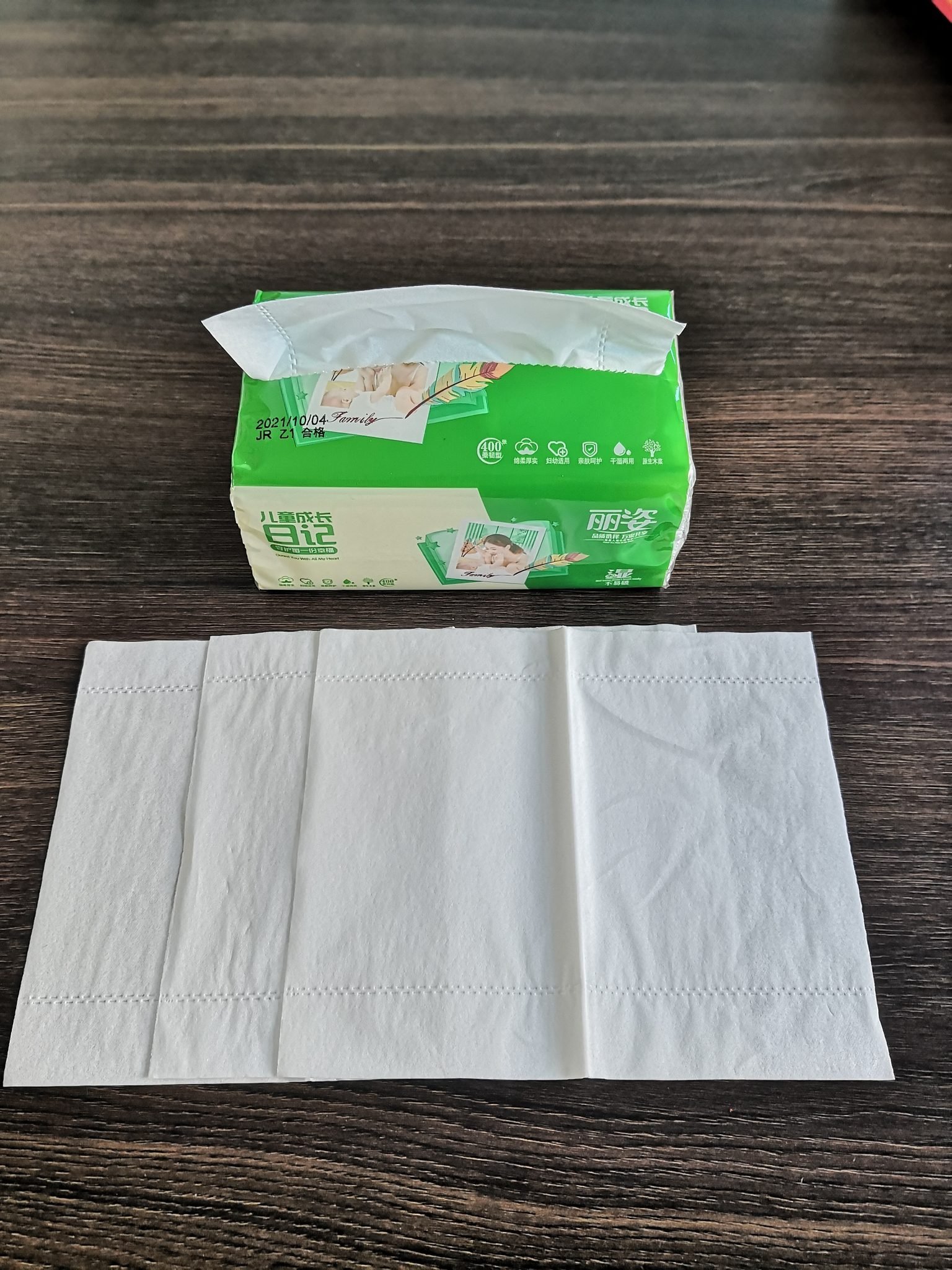
Pick on the property, not the sector. Offices buy restock interval, salons and clinics buy dust and edge integrity, schools buy throughput, food service buys a boundary against kitchen towels, and travel buys a cavity. Same three formats, five different reasons, and a range that stays short if you specify it that way.
Video: “tissue paper manufacturing process”, Top Source Paper own channel
Frequently Asked Questions On Commercial Facial Tissue
What is commercial facial tissue?
A skin-contact tissue bought by the box or pack for a building rather than by the packet for a household. It comes in cube box, flat box and PE soft-pack formats, in 2-ply or 3-ply, specified against a fixture and a restock cycle.
Can you flush commercial facial tissue?
No. Third-party dry tissue testing runs dispersibility as a toilet-paper parameter, not a general tissue one, so a facial tissue is not engineered to break down in water and needs a bin.
What ply should an office buy?
2-ply for shared kitchenettes and staff stations, 3-ply where clients see the box, such as reception, meeting rooms and treatment rooms. Ply is a feel decision; dust and edge integrity are the measurable ones.
Is facial tissue the same as a kitchen towel?
No. Wet-strength reinforcement is engineered for kitchen and hand towels here. A facial tissue used to wipe a spill or dry wet hands is the wrong product even when the furnish is identical.
What is the minimum order for box tissue?
Plain and white-label facial tissue ships from a shared 20GP container. A custom printed carton or sleeve starts at one 40’HQ, with samples dispatched in 1-3 working days.