Buyers new to tissue procurement routinely treat facial tissue and toilet paper as the same sheet cut to a different size and folded into a box instead of a roll. They are not. They are engineered toward opposite failure modes: facial tissue must survive a wet nose and dry skin without shedding dust, while toilet paper must survive being stored but then fall apart fast in water. Those two jobs pull the manufacturing in different directions, and the differences decide what the product costs, what it can be used for, and how you should specify it.
This comparison walks through the manufacturing differences a procurement or brand-development buyer should actually know — ply and bonding, basis weight, hygiene grade, and disposal behavior — and finishes with a decision table you can paste into a specification.
The Core Difference: What Each Sheet Is Built to Do
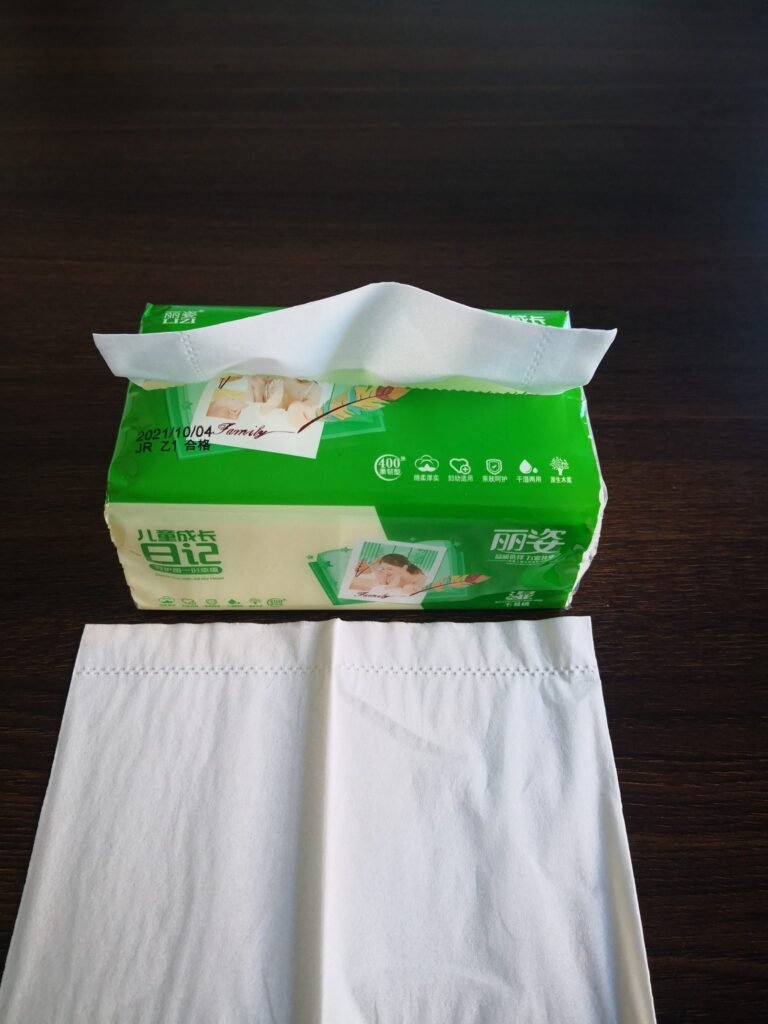
Facial tissue is a durability-when-wet, low-lint product. It sits against skin, is used on the face, and gets pulled repeatedly, so the plies must stay bonded when damp and must not release paper dust. Toilet tissue is a controlled-disintegration product. It must feel acceptable dry but then break down quickly once it hits water, so it does not block a sewer or a septic field. Same virgin wood pulp, deliberately different design targets.
Both are made from 100% virgin wood pulp at our plant with a balanced long-to-short fiber ratio, and neither contains recycled waste paper. The divergence is in how the plies are joined, how light the sheet is made, and what happens to it after use.
Ply and How the Layers Are Bonded
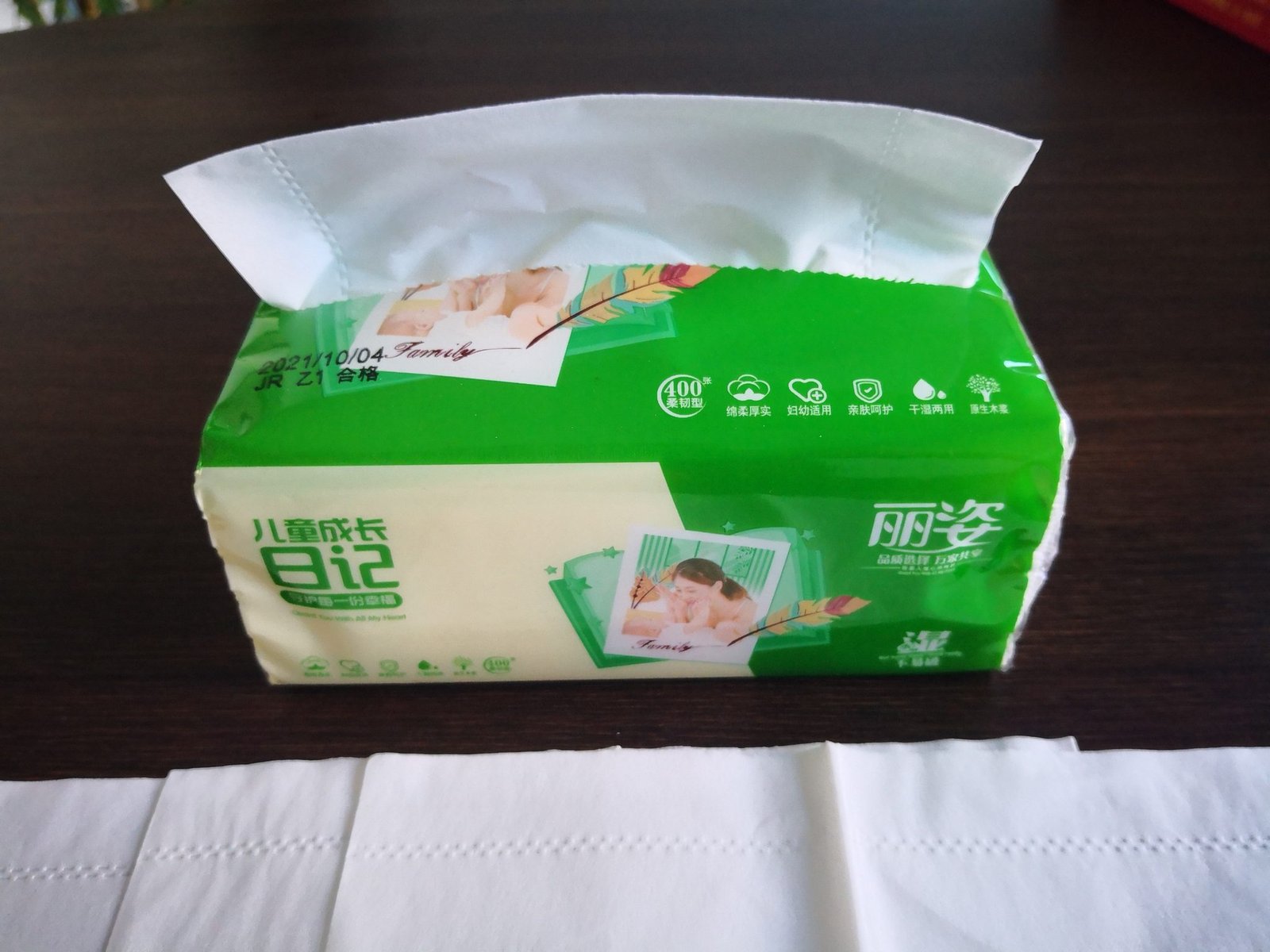
Facial tissue runs 2-ply or 3-ply, and the plies are joined by multi-layer composite thermal lamination — heat bonding that holds the layers together so the edges do not delaminate when the sheet gets damp. That is the whole point of a facial tissue: it should not separate into single layers halfway through use. The bonding is paired with edge embossing that locks the perimeter.
Toilet paper also comes in 1-, 2-, and 3-ply, but the bonding philosophy is different. The plies are attached with micro-embossing and edge embossing designed for a soft, quick-wetting sheet rather than a wet-strength face tissue. A toilet sheet is not trying to survive a cold; it is trying to be gentle and then dissolve.
Basis Weight: The Number That Splits the Two Lines
Basis weight is where the engineering intent becomes a measurable figure. Toilet paper at our plant is specified in a tight 13 to 18 GSM band — light enough to break down in water, consistent enough to hit a declared meterage. Across the full factory portfolio the range spans 13 to 45 GSM, and facial tissue sits within that broader band with its own heavier, softer build so the sheet reads as cushioned against skin. The same GSM number does not mean the same thing on the two products; what matters is whether the target is controlled disintegration (toilet) or wet durability (facial).
Hygiene Grade and Dust Control
This is the most under-specified difference in a purchase order. Facial tissue is a skin-contact and often food-adjacent product, so it is built to a higher hygiene grade: a zero-dust micro-hole purification process controls the paper-dust rate, and the sheet is made without fluorescent whitening agents or harmful chemical additives, food-contact safe. That dust control is not a luxury — it is why a facial tissue does not leave specks and why it suits sensitive skin and cosmetic use.
Toilet paper shares the no-fluorescent-agent and no-harmful-additive baseline, but its design emphasis is flushability rather than low-dust face contact. Neither product uses recycled pulp here, but the hygiene envelope a facial tissue must clear is tighter.
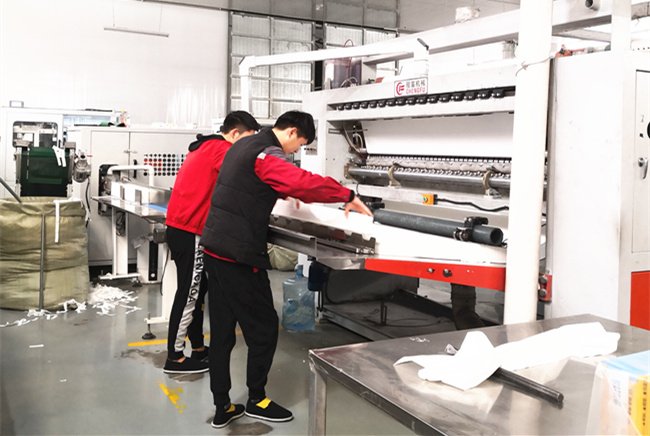
Disposal Behavior: The Test That Separates Them Cleanly
Flushability is the honest dividing line. Toilet paper is engineered to be water-soluble and easily biodegradable — it is meant to go into the bowl and break apart. Facial tissue is engineered to hold together when wet, which is exactly why it should not be flushed; a wet-strength face tissue is one of the common culprits in sewer blockages. If a buyer is sourcing for a property where guests habitually flush tissue, the format decision matters operationally, not just on the invoice.
Format and Use Scene
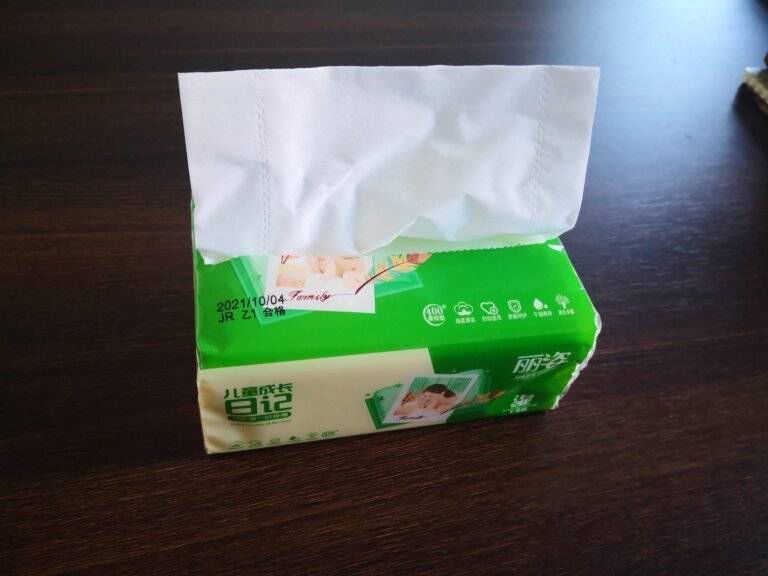
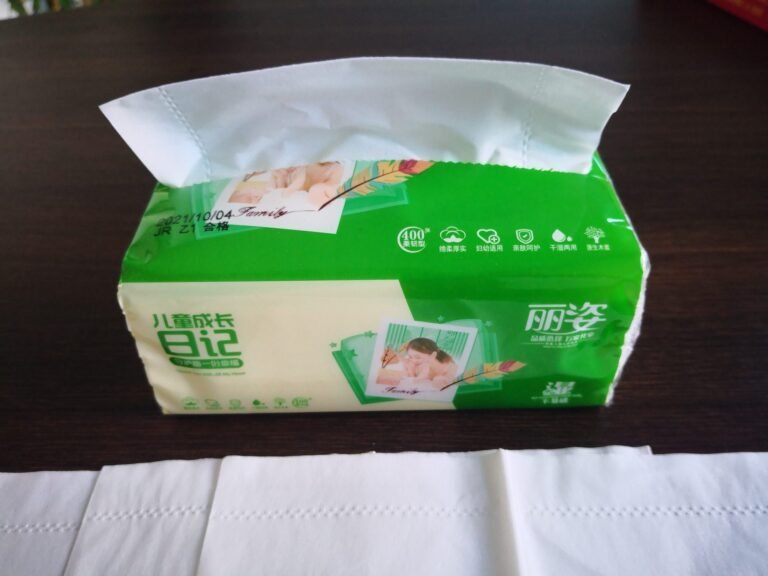
The last difference is the one shoppers see. Facial tissue is sold as a boxed or soft-pack face product — cube boxes, flat boxes, and PE soft-pack pulls — aimed at high-end commercial centers, star-hotel guest rooms, beauty and personal-care, and retail shelving. Toilet paper is a roll product for supermarket shelves, household use, and hotel bulk replacement, offered cored or coreless. The format follows the job: a face product dispensed from a box, a bathroom product dispensed from a roll.
| Dimension | Facial tissue | Toilet paper |
|---|---|---|
| Design target | Wet durability, low lint | Soft when dry, fast break-down in water |
| Ply | 2-ply / 3-ply | 1-ply / 2-ply / 3-ply |
| Ply bonding | Multi-layer thermal lamination, edge embossed, no delamination | Micro- and edge embossing for a quick-wetting sheet |
| Basis weight | Softer, cushioned build within the 13-45 GSM portfolio | Specified 13-18 GSM band for flushability |
| Hygiene emphasis | Zero-dust micro-hole purification, food-contact safe, no FWA | No FWA, no harmful additives, flushable focus |
| Disposal | Holds when wet – do not flush | Water-soluble, biodegradable, flushable |
| Format | Cube box, flat box, PE soft-pack | Roll, cored or coreless |
What This Means When You Place an Order
Because they are different lines, they are quoted and produced separately — but the commercial terms are the same. Both ship white-label from a shared 20GP container and both support custom-print packaging from one full 40HQ container, with samples in 1 to 3 working days, a first production run in 25 to 30 working days, and reorders in 20 to 25. A hotel or brand owner standardizing a washroom program can align paper color, emboss, and brand across both the facial and the toilet line at once through the facial tissue line and the matching toilet paper line.
If you are choosing between box formats for a retail or hospitality program, the earlier boxed versus soft-pack facial tissue comparison covers the shelf-side decision, and for toilet line specifics the 1-ply vs 2-ply vs 3-ply guide goes deeper on ply alone.
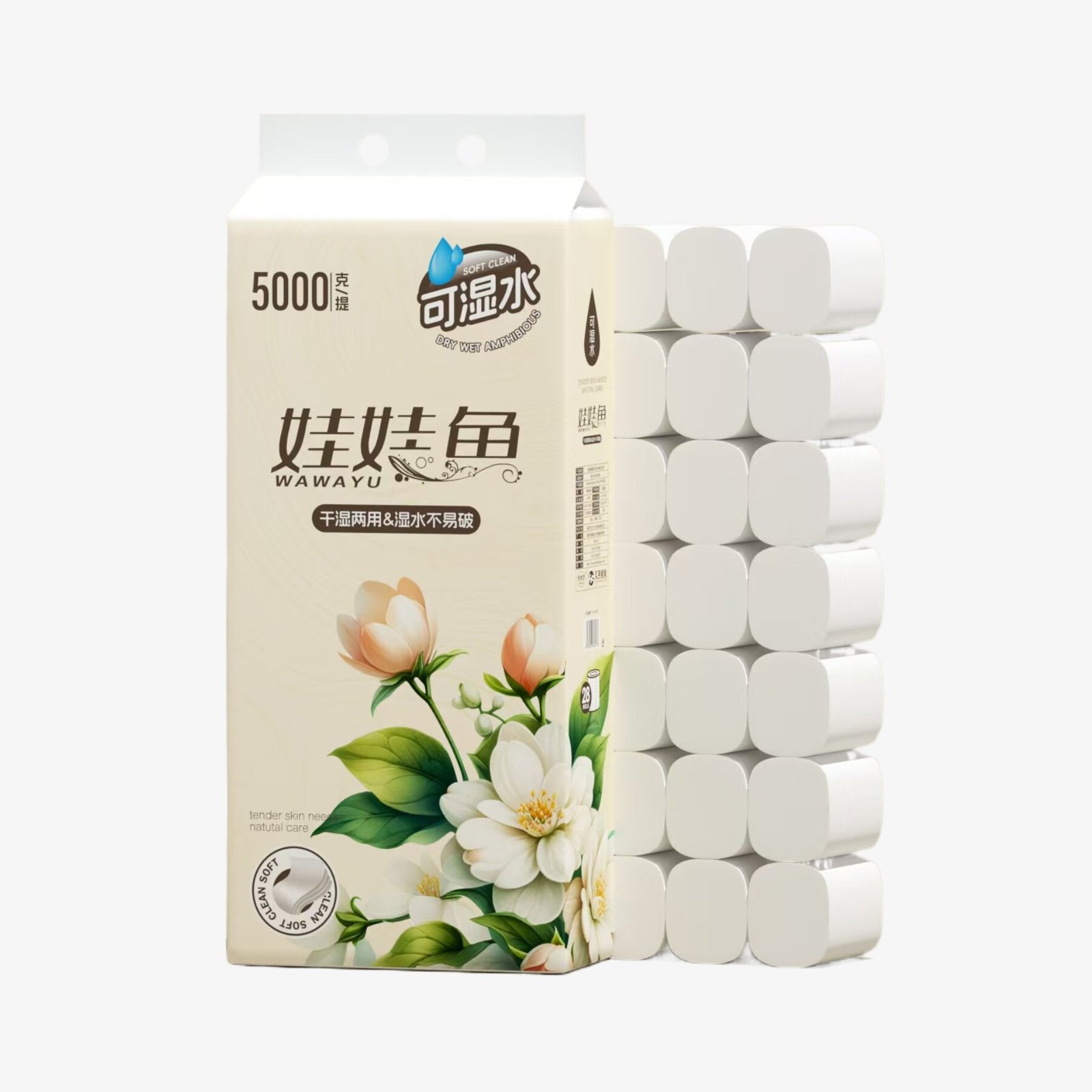
Video: toilet tissue paper manufacturing process (Top Source Paper)
Frequently Asked Questions on Facial Tissue vs Toilet Paper
Is facial tissue just softer toilet paper?
No. Facial tissue is built for wet durability and low dust with thermal-laminated plies; toilet paper is built to break down fast in water. Opposite design targets, different lines.
Can I flush facial tissue?
You should not. Facial tissue is engineered to hold together when wet, which makes it a common cause of blockages. Toilet paper is the water-soluble, flushable product.
Do both use the same GSM?
No. Toilet paper is specified in a 13-18 GSM band for flushability; facial tissue uses a softer build within the factory’s broader 13-45 GSM portfolio.
Can one supplier make both for my brand?
Yes, from 100% virgin pulp. Both ship white-label from a 20GP and custom-print from one 40HQ, with samples in 1-3 working days.
The manufacturing difference explains the product, and the commercial facial tissue industry guide explains where each one belongs.
The manufacturing difference explains how layers are bonded; the ply comparison adds the wet-corner test that tells a bonded sheet from a loose stack.