Private label growth is reshaping how retailers think about facial tissue packaging. As store brands capture an increasing share of the tissue aisle, the packaging format itself has become a strategic differentiator—not just a container for sheets. Retailers who understand the six primary packaging formats can make smarter sourcing decisions, optimize shelf space, and position their private label products to compete directly with national brands on both value and visual appeal.
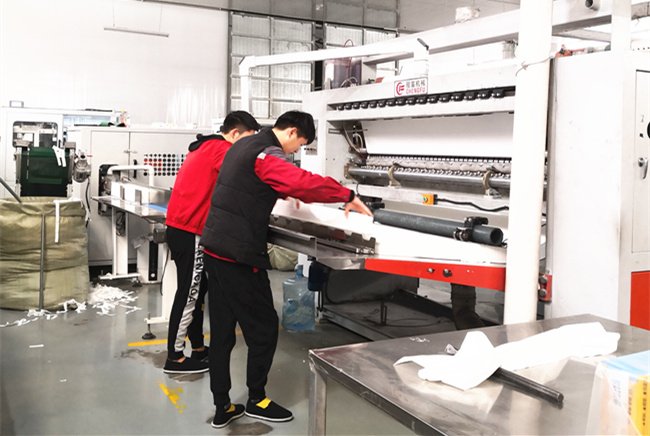
This guide breaks down each format by specifications, target use case, MOQ implications, and shelf impact, drawing on manufacturing data from Top Source Paper’s 18+ years of tissue production experience.
1. Cube Box
The cube box is the most recognizable facial tissue format in retail. Its compact, square footprint maximizes shelf density and creates clean sight lines in planograms.
- Specs: Typically holds 60–100 sheets of 2-ply or 3-ply tissue. Sheet size commonly 200 × 200 mm. Box dimensions approximately 110 × 110 × 90 mm. Made from 100% virgin wood pulp at 13–45 GSM range.
- Use case: Everyday household and office placement. The standard format consumers reach for first.
- MOQ implication: White-label cube boxes start at one 20GP container. Custom-printed designs require one 40’HQ container minimum due to plate setup costs.
- Shelf appeal: High. Flat panels provide maximum printable area for branding. Stacks neatly in endcap and facing displays.
2. Flat Box (Oval / Rectangular)
The flat box uses a wider, lower profile than the cube format. It signals premium positioning through its larger face area and is often associated with hospitality and executive environments.
- Specs: Holds 80–150 sheets. Dimensions typically 240 × 120 × 60 mm. Often paired with interleaved sheet dispensing for one-at-a-time pull.
- Use case: Hotel bathrooms, restaurant tables, corporate reception areas, healthcare waiting rooms.
- MOQ implication: Same container-based MOQ structure as cube boxes. Die-cut tooling may add a small setup fee for non-standard dimensions.
- Shelf appeal: Medium-high. Wider face allows horizontal brand layouts but takes more linear shelf space per facing.
3. Pop-Up / Pop-Style Box
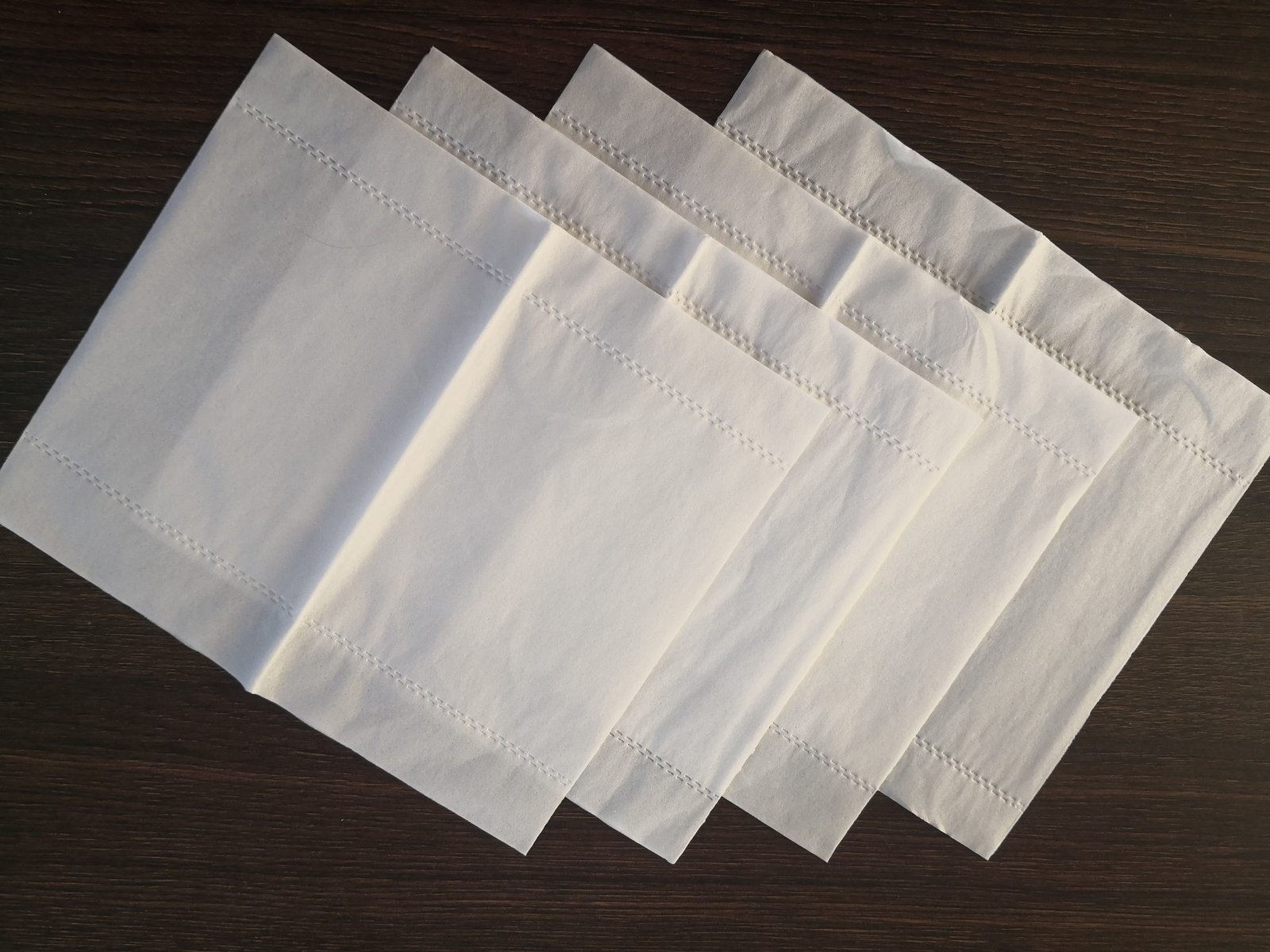
Pop-up boxes feature an interfolded sheet design where pulling one sheet automatically presents the next. This format drives perceived convenience and is increasingly popular in mid-tier retail segments.
- Specs: 60–120 sheets, 2-ply or 3-ply. Interfold mechanism requires precise folding tolerance during converting. Sheet size usually 190 × 200 mm.
- Use case: Family households, bathrooms, and any environment where one-handed dispensing matters.
- MOQ implication: Standard container MOQs apply. The interfold converting line must be calibrated for consistent pop performance—verify this during sampling (1–3 days turnaround).
- Shelf appeal: High. The pop-up mechanism is a visible selling point that differentiates from basic flat-pull formats.
For retailers evaluating which facial tissue format best suits their private label program, the full product range at Top Source Paper includes all six packaging options across multiple ply and GSM configurations. Explore the facial tissue catalog to compare specifications side by side.
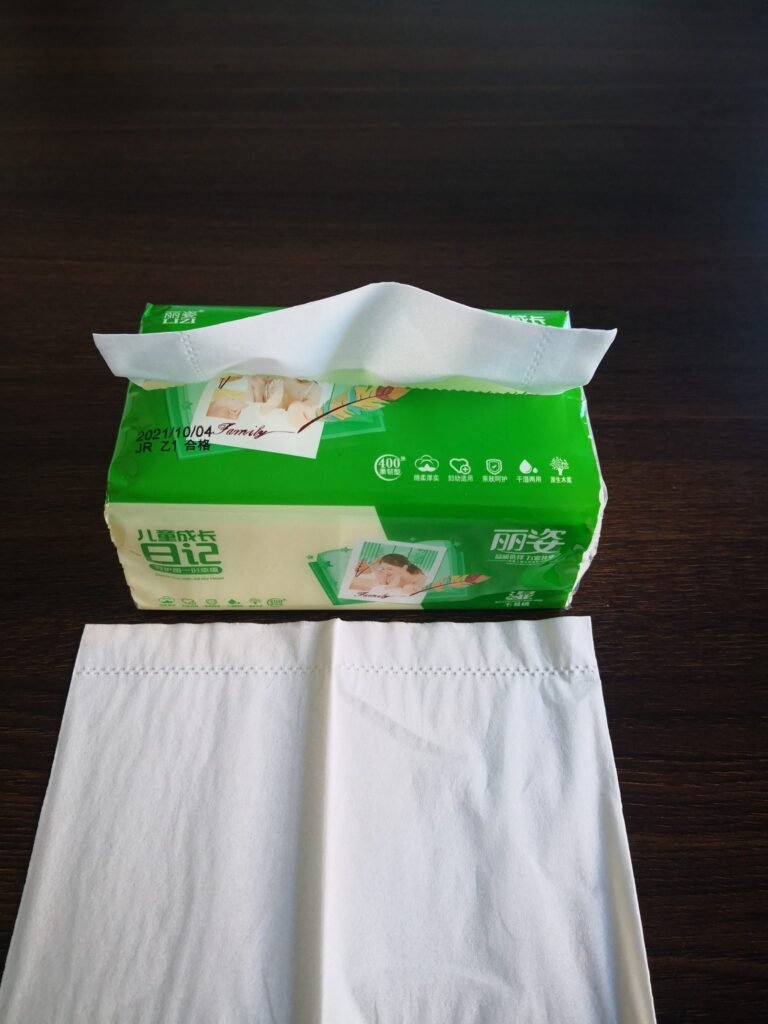
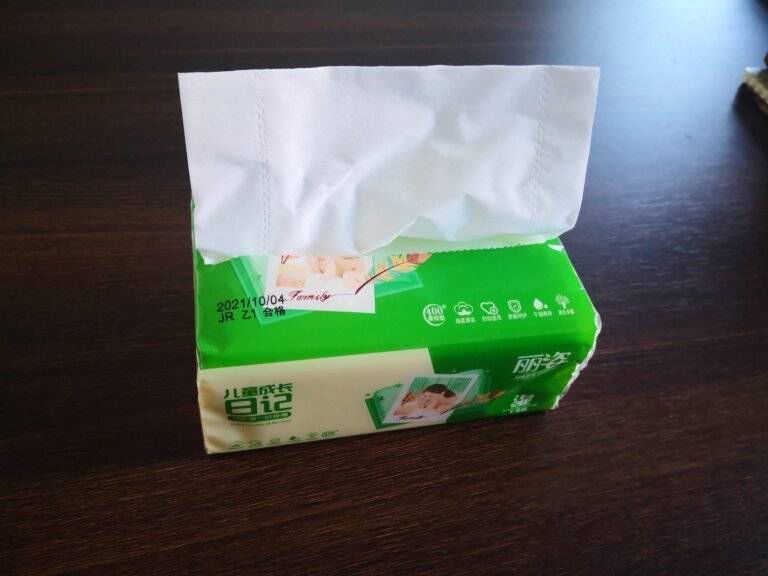
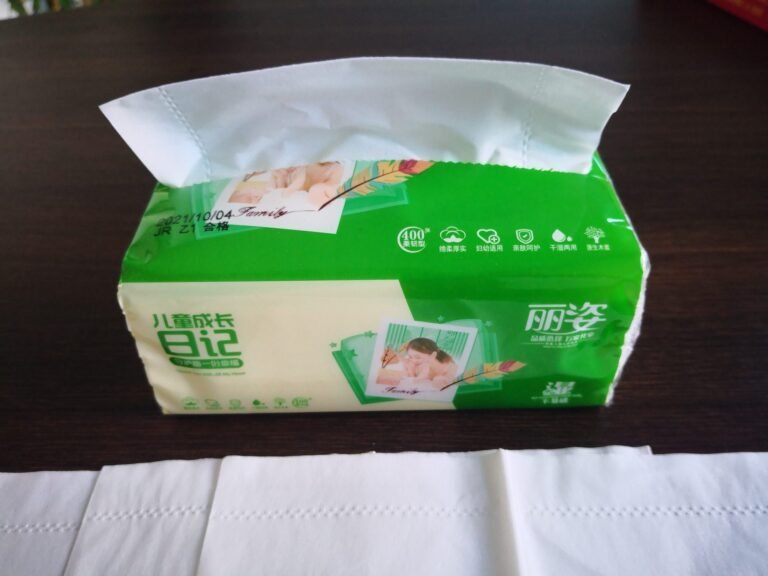
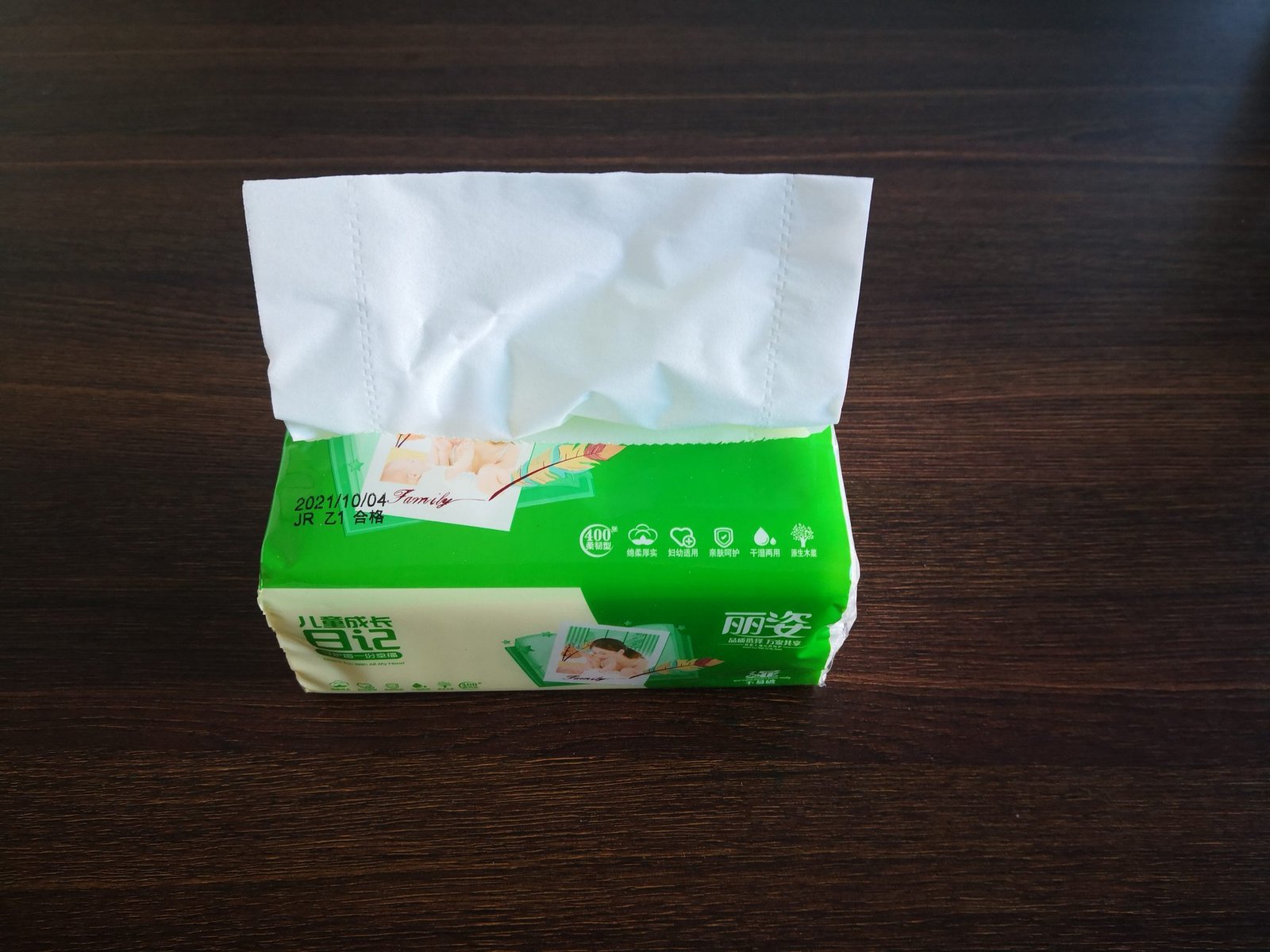
4. Soft-Pack PE Bag
Soft-pack facial tissue replaces rigid board with a flexible polyethylene bag. This format reduces material cost, shipping weight, and storage volume—making it the fastest-growing format in value-oriented retail channels.
- Specs: 40–80 sheets per pack. PE film thickness typically 30–50 microns. Compact dimensions reduce volumetric freight cost by up to 30% vs. boxed formats.
- Use case: Budget retail, dollar stores, emerging markets, travel-size offerings, and promotional bundles.
- MOQ implication: Lower per-unit cost means higher unit count per container. White-label soft packs are ideal for testing new SKUs without committing to custom-printed board.
- Shelf appeal: Medium. Limited print area compared to board, but modern flexographic printing achieves strong color reproduction on PE film.
5. Flat Wrap / Sleeve
Flat wrap packaging encloses a stack of folded tissues in a printed paper or film sleeve without a rigid box structure. It sits between soft-pack and boxed formats in both cost and presentation quality.
- Specs: 50–100 sheets. Sleeve material options include coated paperboard, OPP film, or laminated combinations. Dimensions similar to flat box but thinner profile.
- Use case: Mid-tier retail, seasonal promotions, gift sets, and multi-pack bundles where individual units need branding without full box cost.
- MOQ implication: Sleeve printing plates have lower setup costs than full box die-cuts, making smaller test runs more economical within the container MOQ framework.
- Shelf appeal: Medium-high. Clean silhouette with good print fidelity. Less structural rigidity than boxed formats but more premium appearance than soft packs.
6. Canister / Cylinder
Cylindrical canisters offer distinctive shelf presence and functional advantages for specific environments. They are less common in mass retail but command attention in niche and premium segments.
- Specs: 60–120 sheets in a round tube. Diameter typically 90–110 mm; height 100–150 mm. Rigid plastic or composite board construction with foil or film seal.
- Use case: Automotive cup holders, yacht and RV galleys, premium hotel suites, and novelty/gift retail where shape differentiation drives impulse purchase.
- MOQ implication: Canister molds carry higher tooling costs than box dies. Best suited for committed SKU programs rather than seasonal tests. Custom-print canisters require one 40’HQ container minimum.
- Shelf appeal: Very high in context. The unusual shape breaks category monotony and attracts eye movement on crowded shelves.
How these formats survive ocean freight, board, inner film, pallets, is broken down in the private label tissue packaging guide.
Frequently Asked Questions
Which facial tissue packaging format has the lowest cost per unit?
Soft-pack PE bag format offers the lowest per-unit cost due to reduced material usage, lighter shipping weight, and higher packing density. It reduces volumetric freight cost by up to 30% compared to boxed formats.
What is the MOQ for custom-printed facial tissue packaging?
Custom-print orders require a minimum of one 40-foot high-cube container. White-label orders start at one 20GP container. Sampling takes 1–3 days from established manufacturers.
How does ply count affect facial tissue packaging format selection?
Higher ply counts (3-ply) increase sheet thickness, reducing sheet count per package for a given box size. Cube and flat boxes accommodate all ply options. Soft packs and sleeves work best with 2-ply to maintain compact dimensions.
Can I order mixed packaging formats in one container?
Yes. Most manufacturers allow mixed-format containers when the total volume meets the MOQ threshold. Confirm format ratios and pallet configuration before production to optimize container utilization.
What lead time should I plan for facial tissue orders?
First orders require 25–30 working days for production. Reorders ship in 20–25 working days. Samples are available within 1–3 days. Shipping terms include FOB, CIF, CFR, and EXW from Tianjin Xingang port.
Format taxonomy answers what the box is; the commercial facial tissue industry guide answers which room should have it.

Ready to develop your private label facial tissue line? Contact Top Source Paper at info@chinatoiletpaper.com or WhatsApp +86-13180210660 to request samples across all six packaging formats. Our team provides detailed specifications, pricing, and dieline templates within one business day.
Related reading: For soft facial tissue ply and embossing options for premium markets, see our guide on this topic.