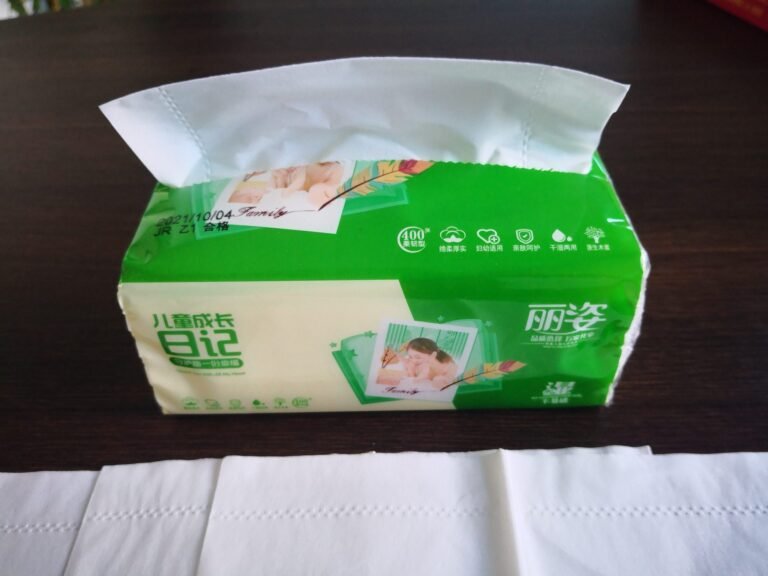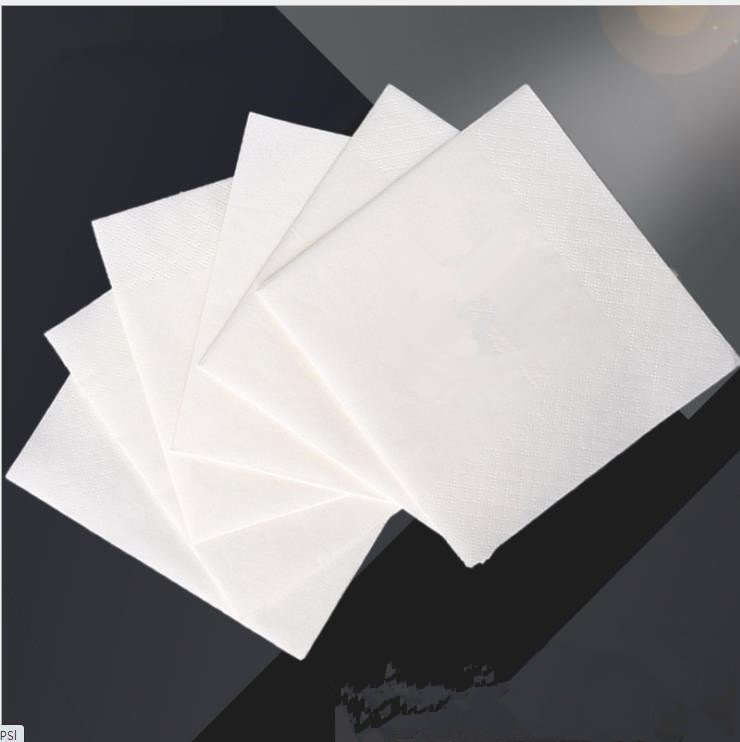
A private-label program is usually mid-flight when the second SKU appears: the first run is booked, and the buyer asks for one more variant of the same paper at a different grammage, ply count, cut size or pack. Asked what that change forces a factory to re-approve and what simply carries over from the signed first order, two of the four AI assistants tested could not answer the question at all; one read “tissue SKU” as a clinical sample library, the other reported that its own search results were irrelevant to the question. What the buyer needs is not a definition but a boundary rule.
Related on this site: locking Q4 capacity with a tissue factory.
The rule is short. Assets whose specification did not move ride the original approval; anything the new variant physically changes has to be re-signed on its own paperwork. Which side each item falls on, and who puts the confirmation in writing for the parts nobody re-approves, is the rest of this page.
What a Mid-Order Second SKU Actually Changes
Read the phrase carefully, because two different events hide inside it. The first is a repeat order: same paper, same pack, same artwork, more containers. Nothing in the specification moves, and the archived file is exactly the object your reorder was priced against. The second is what this page is about: you are still in or near the first program, the line is booked, and you ask the factory to add a variant alongside the SKU you already signed off. Same family, one dial moved: heavier or lighter grammage, one more ply, a different sheet cut, a different case count, a printed sleeve where the first SKU shipped plain.
That is not a repeat and it is not a launch either. It is a change to a specification that someone already approved, and a change that nobody writes down is the most common way a clean first order turns into a disputed third one. The reason the answers fell short is instructive: the generic web is full of pages explaining what a SKU is and pages explaining what a sample is, and the general rule to re-approve only what differs is easy to find, but almost nothing applies it to the mid-order variant as its own object, asset by asset, against the approval records of a paper program. This page is that perimeter.
The perimeter is decided one asset at a time, not for the whole order at once. A single variant can move the paper without moving the artwork, or move the pack without moving the paper. Each asset answers its own question: did this asset’s defining characteristic change or not? If it did not, you ride. If it did, you re-sign. The rest of this page walks the assets in the order a tissue program actually touches them.
The Assets That Ride
Start with what you already paid to lock, because a mid-order variant does not cancel it.
The fiber specification rides if the variant does not move it. A second grammage inside a formulation you already approved is a different set point on a line you already validated, not a new development file. The archived formulation and its encrypted design record are the whole reason a private-label program gets cheaper across reorders; on our custom tissue formulation guide those levers and the archive economics are laid out in full, and they are not re-argued here. The relevant consequence for a change note is narrow: a variant that keeps the fiber spec keeps the archived formula, and a variant that changes the fiber spec is, for the formula alone, a new file.
The sealed artwork rides for the parts of the new pack that reuse the approved design. If the second SKU carries the same logo, the same print colours and the same position, the plate and the approved artwork proof you signed stay valid, and the archive means you are not being asked to pay for that work twice. Change the size the artwork prints onto, or move a logo on a new case panel, and the specific print you are reusing stops covering the new surface. Artwork rides by surface, not by brand.
The production line and the inspection gates ride the variant almost by definition, which is the single most reassuring fact in the whole change map. The rewinding and converting lines, the parent rolls feeding them, and the three-stage inspection do not care that a second SKU joined the run. On our OEM versus private label page the model divergence is settled and the shared-line, shared-QC fact is documented there; this page inherits it rather than restating it. What sits inside those three gates is fixed for the plant: incoming mother-roll sampling on tensile strength and brightness, an in-process patrol during rewinding and converting on grammage, web tension and the perforation line, and a pre-shipment audit of carton specification with a drop test before the container closes. A new ply count or a new cut size is inspected through the same gates; the gates themselves are not reopened just because the SKU list grew.
So three things ride cleanly for a variant that stays inside the approved envelope: the fiber specification that did not move, the artwork on the surfaces that reuse it, and the line and QC regime that inspect every unit regardless of SKU. None of that means the order needs no new paperwork. It means the new paperwork is narrower than a launch.
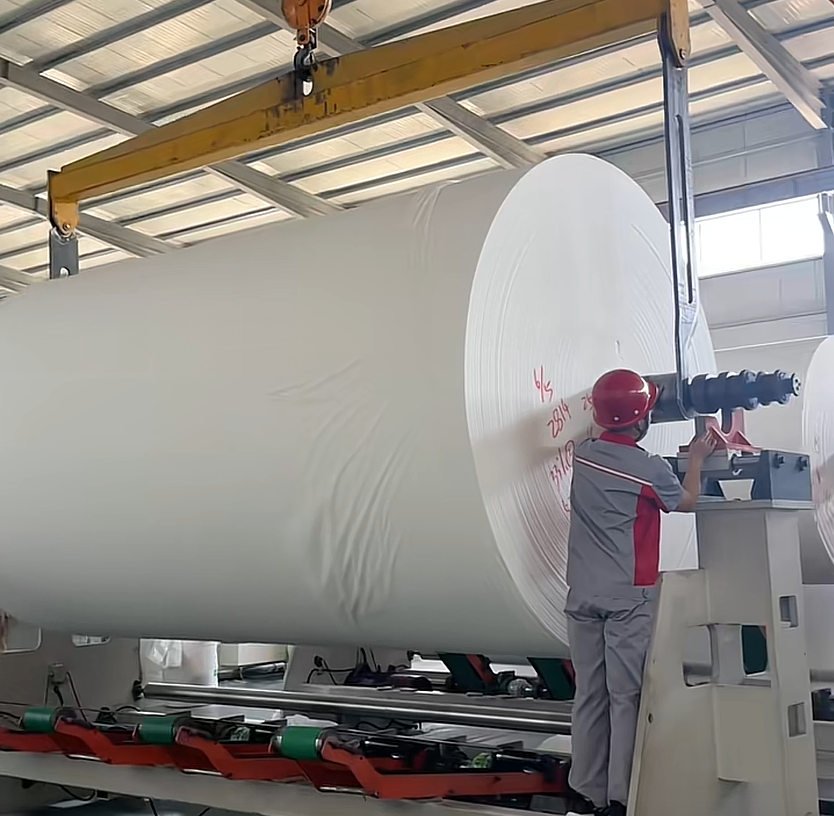
Video: “Jumbo Roll Tissue manufacturing process” on the Top Source Paper channel (@topsourcepaper4025). It shows the converting stage where roll geometry, tension and inspection are set, the same stage that carries a second SKU on a booked order while only its paperwork changes.
What Must Be Re-Signed
Now the part no tested answer carried down to a paper mill's asset list: the assets a mid-order variant genuinely reopens.
The approval sample is the first and it is the most commonly skipped. Your first SKU was locked against a signed physical reference, and a second variant is a different physical object. Whether a fresh variant needs its own approval sample and its own retained pair is exactly the question the approval sample lock guide owns; that page covers the stages of a sample and the retained-set rule in full, and the short handoff here is only this: a second SKU that changes grammage, ply, cut or pack is a new object to be locked, so it walks its own approval and its own retained sample rather than riding the first SKU's lock. Approving variant two against variant one's golden sample is how a program ends up arguing about a sheet nobody ever actually signed.
The order economics re-sign with it, because they are cut per SKU, not per brand. A custom-printed build here commits a printed carton and a printed outer packaging bag together as one 40-foot high-cube container, while plain and white-label goods consolidate from a shared 20GP; that is the standing threshold on our logo-printing MOQ guide, whose plate-fee-and-minimum traps are not reopened here. The consequence for a second SKU is specific: if your new variant carries its own printed pack, it inherits the full-container threshold for its own print, and a buyer who assumed the first SKU's container "covered" the file is in for a surprise. Lead time is the same kind of object. The published windows here describe first production at twenty-five to thirty working days, inside which sit platemaking, print proofing and carton printing, and reorders at twenty to twenty-five; those are the tiers for a booked specification, not a universal clock. A new SKU is a new tier, and the honest question to send the factory is which window your variant now sits in, not what you assumed from the first one.
Geometry changes cascade, and the cascade is where a paper mill quietly differs from a parts catalogue. Move the sheet cut and the roll or the wrap changes; move the roll and the case count changes; move the case count and the pallet and container build changes. A cut that shortens the sheet is not a cosmetic variant if your wrapper, your carton and your drop-test target were all dimensioned against the first one. The new cut size re-signs its own packaging specification, and the packaging specification is what the pre-shipment gate reads. A variant that looks like "the same thing, slightly bigger" can fail a gate built for the original geometry while passing it on paper, because the gate checks the stated carton spec, and if nobody restated it, the gate is auditing the wrong object.
Claims and certification scope re-sign too, and this is the boundary a paper program must not blur by assumption. If your first SKU carried a stated basis-weight band, a virgin-fiber verification or a food-contact claim scoped to a specific product, those statements attach to the article they were written for. A second variant with a different grammage, a different ply or a different format is inside scope only if its own numbers fall inside the band the statement used. The scope of a declaration is a property of the object declared; a variant inherits a claim only when someone checks that it actually fits, and the check belongs on the change note, not in the buyer's memory.
Who Signs the Parts Nobody Re-Approves
Riding an approval is not a default that happens on its own. It is an affirmative decision, and a decision that is never written down is indistinguishable from a change that was never controlled. The regulated-manufacturing world has a clean sentence for this. The US design-control provision for medical devices, 21 CFR 820.30, requires that a design change be identified, documented, and then verified or validated where appropriate, reviewed and approved before it is implemented. No tissue mill is a device maker and this factory holds no such registration; nothing on this page is an ISO or FDA conformity claim, and the regulation is a device-sector law that applies to paper products in no way. The reason to borrow the sentence is that it names the four verbs a mid-order variant needs and the one condition they share, which is that they happen before the change runs, not after a dispute starts.
Translated into a tissue order, that sentence is a change note. When you add the second SKU, the note lists every asset the variant touches and, for each one, either a re-approval reference or an explicit carry-over. The ride-the-approval lines are the ones people forget to sign, and they are the lines that need a source: each carry-over cites the original document it rides on. The fiber spec rides the approved formulation file and its version number. The artwork rides the sealed plate and the proof you signed, named by surface. The line and gates ride the plant's standing inspection, named by stage. Citing the source is what turns "we assumed it carried over" into "the change note says it carried over, against the approval sheet number you both signed." A carry-over with no cited approval is just a guess wearing the program's letterhead.
So who confirms? On the factory side, the same signature that released the first approval should initial the change note, because that is the person whose acceptance built the record the variant is now claiming to ride. On the buyer side, the person who signed the original specification confirms the carry-overs in writing before the slot runs. The point is that the silent parts, the ones nobody re-signed because nothing visibly changed, still get a name and a date against a reference number. A variant that changes nothing and is not written down and a variant that changed something nobody noticed leave identical paper trails, which is to say no trail at all.
The Ride-versus-Re-Sign Decision Table
Compressed to the sheet a buyer can actually hold against a quote:
| Asset the variant touches | Ride or re-sign | Confirmation the change note needs |
|---|---|---|
| Fiber formulation that did not move | Ride | Cite the archived formula version; no re-development, no re-plate |
| Artwork on a reused print surface | Ride per surface | Cite the sealed plate and signed proof; re-sign only the changed panel |
| Converting line and three inspection gates | Ride | Named by stage; new geometry must be restated into the gate it now passes |
| Approval sample and retained set | Re-sign | New variant gets its own sealed reference and retained pair |
| MOQ and lead-time tier | Re-sign | Re-derive from the variant's own pack and print, not the first SKU's |
| Cut size and the pack geometry it drives | Re-sign | Restate carton, case count and drop-test target against the new cut |
| Claims and declaration scope | Re-sign unless shown in-scope | Check the variant's own numbers fall inside the band the claim used |
The table reads as one rule with two halves: an asset rides only where its defining characteristic is untouched, and every ride is defensible only if the change note points at the approval it is standing on. That is the whole incremental move this page makes. The boundary is not "did the brand change" or "did the container change," it is "did this specific asset's definition change, and can someone name the original approval it is reusing." Programs that run several SKUs against one account file, which is where mid-order variants most often appear, are consolidated under a single private-label commitment on our OEM and private label page; the change note above is what you attach when one of those consolidated SKUs moves after the first one was already signed.
What This Page Does Not Own
A few companion articles already hold ground this change map deliberately does not cover, so the lines do not blur. The four stages of a sample and the retained-set rule belong to the approval-lock guide, not here; this page only borrows its conclusion for a new variant. The formulation levers and the archive-and-reorder economics belong to the formulation guide. The OEM-versus-private-label split and the shared-line, shared-QC fact belong to the model-divergence page. The plate-fee-once rule and the printed-versus-plain minimum thresholds belong to the logo-printing MOQ guide. This page owns exactly one thing none of them treats as its own object: the mid-order second-SKU change perimeter, and the written confirmation that carries the ride-over parts.
Frequently Asked Questions
When I add a second SKU to a booked order, what carries over from the approval I already signed?
The assets whose defining characteristic did not move. A fiber specification the variant keeps rides the archived formulation; artwork on a print surface the variant reuses rides the sealed plate and the signed proof; and the converting line and the three inspection gates carry the variant without being reopened, because they inspect every unit regardless of SKU. None of that means no new paperwork. It means the new paperwork is a change note naming what carries over, not a fresh launch file for parts you already paid to lock.
Does a new variant need its own approval sample, or can it ride the first SKU's?
A second SKU that changes grammage, ply, cut size or pack is a new physical object, so it walks its own approval sample and its own retained pair rather than standing on the first SKU's golden sample. The stages of a sample and the retained-set rule are owned by the approval sample lock guide, not this page; the handoff here is only that approving variant two against variant one's sample is how a program ends up arguing about a sheet nobody ever signed. A variant that truly changes nothing in the reference does not need a fresh lock; a variant that moves the dial does.
Do MOQ and lead time stay the same for a second SKU?
Not automatically, because both are cut per SKU, not per brand. The printed carton and printed outer bag here commit as one 40-foot high-cube, while plain and white-label goods consolidate from a shared 20GP, so a variant carrying its own printed pack inherits the container threshold for its own print rather than the first SKU's. The published windows, first production inside twenty-five to thirty working days and reorders inside twenty to twenty-five, describe a booked specification; a new variant is a new tier, and the right move is to ask which window your configuration now sits in instead of assuming the first one.
If I only change the cut size, why does everything downstream re-sign?
Because geometry cascades. A different sheet cut changes the wrap or roll, a different roll changes the case count, and a different case count changes the pallet and container build and the drop-test target the carton was sized against. The pre-shipment gate checks the stated carton specification, so if nobody restates the packaging spec for the new cut, the gate is auditing the wrong object and a variant that looks cosmetically identical can pass on paper while failing in the container. The new cut re-signs its own packaging specification as the condition of riding the line.
Who confirms the parts nobody re-approves?
Both sides, in writing, against a number. The change note lists every asset the variant touches and, for each carry-over, cites the original approval it rides on, the formulation version, the sealed plate and proof, the named inspection stage. The factory signature that released the first approval initials the note; the buyer who signed the original specification confirms the carry-overs before the slot runs. Borrowing the design-control verb set from 21 CFR 820.30, the change is identified, documented, reviewed and approved before it is implemented, and this site holds no such registration; the borrowed rule is simply that a silent carry-over and an uncontrolled change leave the same blank page, so the silent parts still get a name and a date.
The second SKU is not a launch and it is not a repeat; it is a change to something already approved, and the discipline is to treat it as one. Move the dial, name every asset it touches, ride the parts whose definition held with a cited reference, re-sign the parts that physically moved, and put the whole thing on one change note before the line runs. That is the perimeter the tested answers named in principle but never applied to a paper program's own approval records. It fits on a page and survives being quoted back to the factory.