Ask a tissue factory for “pocket tissue packs” and the first question back is not about softness. It is a quantity: how many packs, over what period, delivered where. A promotional order handed out over a fortnight and a retail programme that quietly consumes the same number of packs across a year look identical on a spreadsheet and are completely different buys. One is a print run tied to a date; the other is a replenishment cycle tied to shelf space.
For the underlying numbers, see the pocket pack-size and case-count arithmetic.
Pocket tissue packs are the smallest unit in the range and the easiest order to get wrong, because the quantities are large enough that a modest planning error becomes a pallet of leftover stock or a campaign that runs out before the last day. This guide covers the part the product listings never explain: how to size a pocket tissue order, what actually drives the delivered cost per pack, and how to count backwards from a campaign date. For the seven customisation options themselves, our travel tissue pack customisation guide already owns that ground, and the pocket tissue sourcing guide covers format and sheet-count choice.
Where Pocket Tissue Packs Sit In A Tissue Range
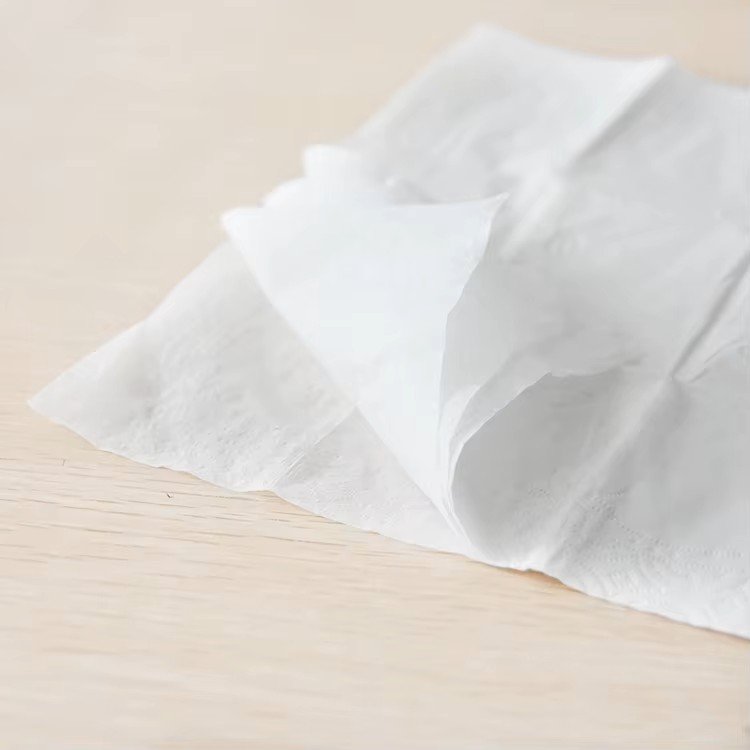
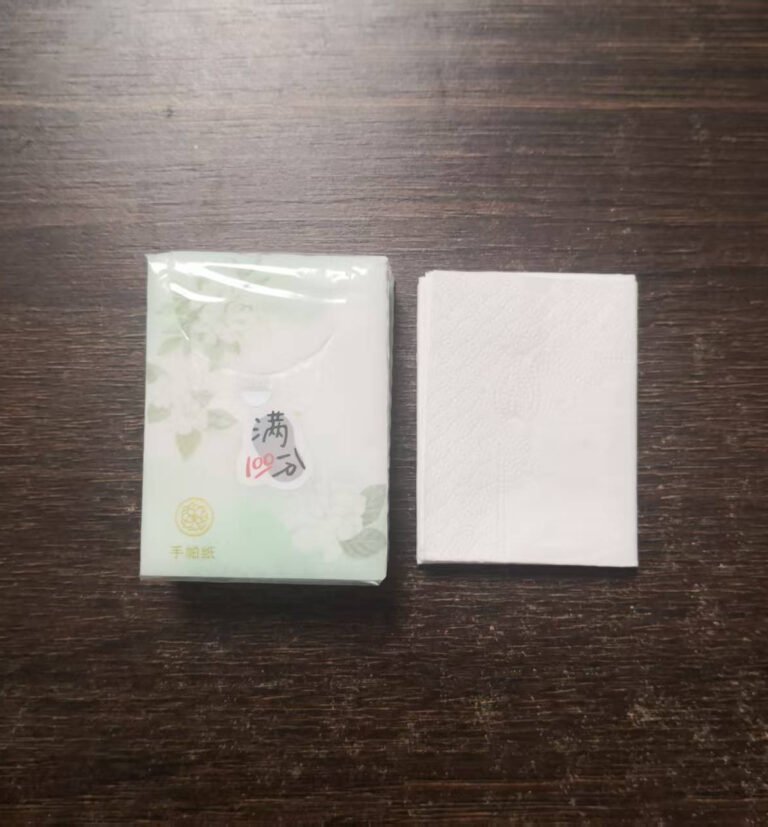
Pocket tissue is the portable end of the converting line: multi-sheet packs or individually wrapped small packs, made on 100% virgin wood pulp with a controlled long- and short-fibre ratio and no de-inked recycled furnish, and offered with printed individual-pack wrappers and multi-pack combinations built to order. The channels it is built for are retail shelving, business and air travel, and corporate promotional or gift programmes.
Because it is a converting job rather than a papermaking job, the paper inside is shared with the rest of the range. What is specific to this format is the wrapper, the pack combination and the order size each of those implies. That is also why the same sheet can arrive in your hands as a blank stock pack in a shared container or as a branded pack in a full container, at two very different quantities.
Three Ways To Buy, And What Each Commits You To
The buying route is decided by one question: does anything carry your artwork?
| Route | What is fixed by the factory | What you decide |
|---|---|---|
| White label, plain wrapper | Stock wrapper film and generic export carton | Sheet count, ply, container share |
| Custom printed wrapper | Nothing on the pack except the paper | Wrapper artwork, pack combination, carton print |
| Multi-pack combination | Combination capability, not the mix | How many single packs form a bundle and how bundles are cased |
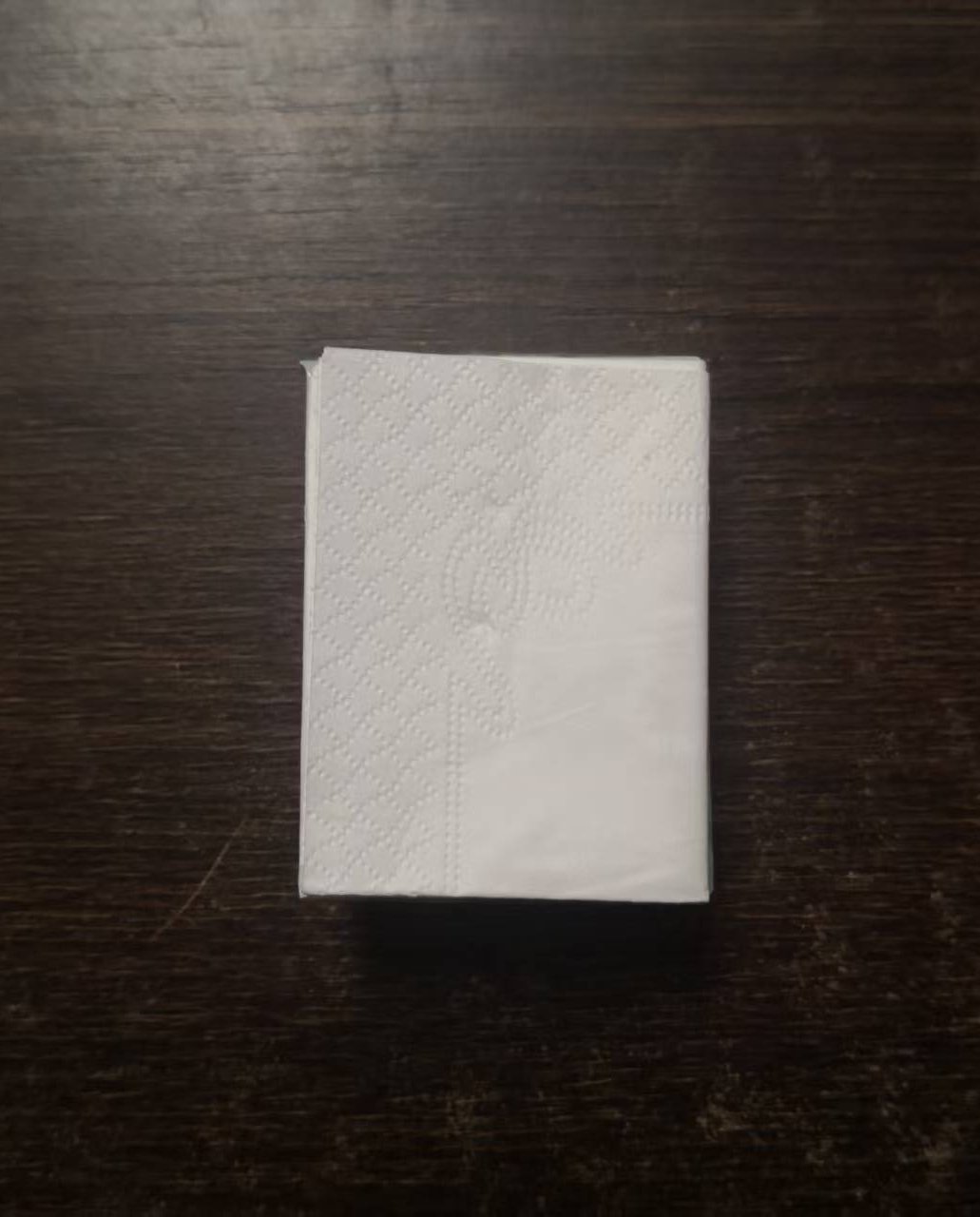
Plain and white-label packs ride in a shared 20GP container; a custom colour-printed wrapper or printed outer carton starts at one 40’HQ, because printed packaging is made in a single run against your artwork. The container-size economics are already worked out in the 20GP versus 40HQ MOQ guide and the plate and archive mechanics on the OEM and private label page, so what matters here is only the consequence for planning: the printed route sets the floor quantity, and it decides whether a small test is possible at all.
Turning A Campaign Or A Shelf Plan Into A Pack Quantity
Size the order from the distribution side, not from a per-room or per-customer guess. Four inputs, all of which you own.
Start with the hand-out or the shelf. A campaign has a recipient count and a distribution rate: packs per delegate, per cabin, per counter day, per store week. A retail programme has a different shape: facings per store, sell-through per facing per week, plus a replenishment interval. Convert that into packs per period. Then convert packs into cases, using the packing your supplier actually publishes rather than an assumption: converting-machinery and tissue suppliers publicly list pocket-pack sheet counts in the seven to ten range, the band our own pocket tissue sourcing guide uses, and one supplier’s published pack specification shows ten small packs per inner bag with a few hundred small packs per carton (example supplier spec sheet). Those are other suppliers’ figures, not ours, and the packing detail belongs in your written specification either way. Multiply cases by the number of destinations and you have the order. Add a remainder you can live with: the pack that is hardest to dispose of is the one printed with a campaign that has already ended.
Illustrative structure only, with inputs a buyer substitutes: recipients x packs per recipient x distribution days = campaign pack demand; demand divided by packs per carton = cartons; cartons against the container the printed route requires tells you whether the campaign is one container or a rounding error inside a larger retail programme. A promotional order that will not fill a 40’HQ is the most common collision in this category, and the fix is either a longer print life on the artwork or a white-label buy, not a smaller container.
What Drives The Delivered Cost Per Pack
Five levers move the number on the invoice, and only one of them is the paper.
- Ply and furnish. The range runs 1, 2 and 3 ply on 100% virgin wood pulp, inside a plant-wide basis weight band of 13 to 45 GSM. Ply is a hand-feel decision with a weight consequence, and the honest way to set it is to compare sample packs, not catalogue claims.
- Sheets per pack. More sheets per pack means fewer packs to distribute for the same total paper, which cuts wrapper, print and handling cost per sheet. Pocket packs are commonly supplied at seven to ten sheets, so the arithmetic runs the other way from what buyers expect: a fatter pack can be cheaper per sheet.
- Wrapper print versus stock film. Blank film and generic cartons keep an order inside a shared container; your artwork moves it onto a dedicated printed-packaging run with a plate cost and a minimum.
- Carton print. A colour-printed outer carton is a second print commitment on top of the wrapper, and it is worth deciding deliberately rather than by default. Retail programmes usually want it; a single campaign hand-out usually does not.
- Reorder policy. Our private-label artwork and formula files are archived permanently, so a repeat order runs the stored plate with no repeat plate-making charge. Ask every supplier whether the tooling is retained or billed again, because it changes the second year’s economics more than the paper does.
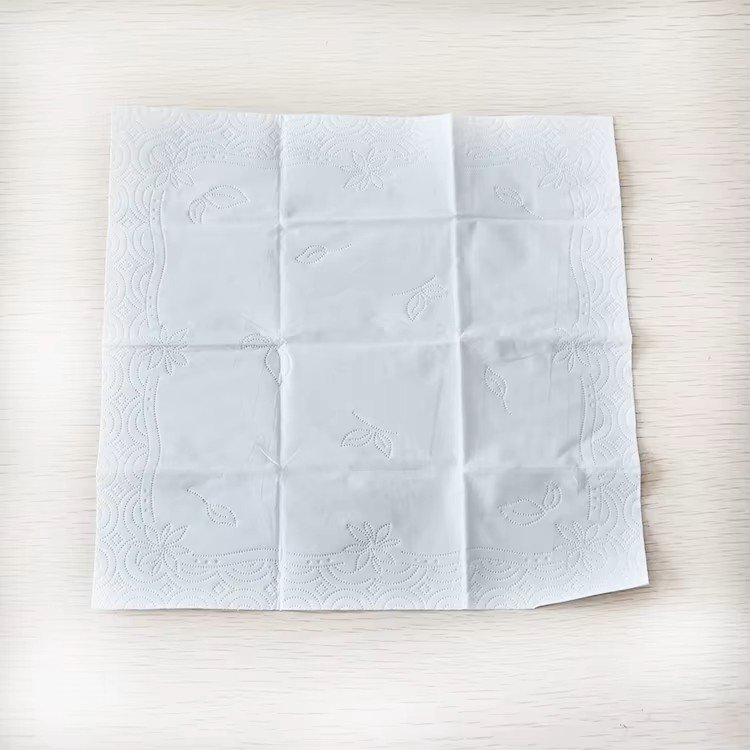
Two quality properties cost nothing to specify and are cheap to regret if omitted. Micro-pore purification holds paper dust down, which is the difference between a pack that feels clean and one that leaves fibres on a coat sleeve, and it is also what matters to guests and colleagues with sensitive skin. And the sheet carries no fluorescent brightening agents and no harmful chemical additions, with food-contact-safe grade, which is what lets the same pack sit on a table as on a seat tray.
Print Specification: What To Confirm In Writing
Craft detail on artwork preparation is covered in the individual tissue pack guide, so this section keeps to the four lines a buyer should have in writing before approving anything, phrased as questions a supplier must be able to answer.
First: which surface carries the artwork, and which surface touches the tissue? Confirm it in writing, because the answer changes what your designer is allowed to do. Second: what are the printable panel dimensions and the position of the seam and seal, so nothing important falls into a fold. Third: how is the colour specified, and against what standard is the approved proof matched? Fourth: does the pack combination you want (single, bundled, cased) exist in the plant’s standard set, or is it new tooling? A supplier who answers all four in one email is a supplier you can reorder from; one who answers with a rendering is not.
Ask for a physical sample of the actual pack before artwork lock, and check three things on it: softness and dust when the sheets are pulled, how the wrapper seals and sits in a hand, and whether the pack opens without tearing the print. Sampling runs fast on this line, which removes the excuse for skipping it.
Retail Shelf Readiness
A shelf pack has a different job from a giveaway: it has to survive being compared at arm’s length. Three points decide whether a private-label pocket tissue reads as a brand or as a discount item. The first is the wrapper, which is why a shelf programme justifies the printed route and a one-off campaign often does not. The second is the number a shopper can actually read: sheet count and ply stated on the pack, in a size legible on a shelf rather than embossed into the artwork. The third is the carton, which has to be planogram-ready, because a retailer’s team will plane the case out at the shelf and a carton that needs repacking is a labour charge you effectively pay for.
Our retail formats are listed on the pocket tissue line page, and the wider private-label build from artwork to outer carton is covered in the private label launch guide.
Counting Backwards From A Campaign Date
Promotional tissue fails on calendars, not on quality. Work backwards from the distribution date using the numbers a factory will commit to, and put the risk where it belongs: on the artwork sign-off, not on the ship.
A physical sample of the real pack goes out within one to three working days. First production takes 25 to 30 working days, and that window already includes packaging pre-press and outer-carton printing. Reorders take 20 to 25 working days, because the plate and the specification already exist. Ocean transit, customs and your own inland delivery sit on top of production and belong to your forwarder’s calendar, not the mill’s. So the practical rule for a dated campaign is: sign artwork off against a physical sample, then let the 25 to 30 working-day production window run to the port, and keep the difference between arrival and the event as buffer rather than as slack you promise to somebody else.
That timing is also the argument for a longer-lived design. A wrapper printed with a specific year, price or venue is a one-container commitment with no reorder path; a wrapper printed with a brand mark and a scannable code can be reordered across several campaigns on the same archived tooling, and the difference in cost per pack between those two designs shows up on every order after the first.
Video: “Precision Manufacturing for Unmatched Quality Toilet paper”, Top Source Paper own channel
Frequently Asked Questions On Ordering Pocket Tissue Packs
How do I work out how many pocket tissue packs to order?
Size it from distribution: recipients x packs per recipient x distribution days for a campaign, or facings x weekly sell-through for a shelf programme. Then divide by the packs-per-carton figure your supplier publishes.
What is the difference between a 20GP and a 40’HQ pocket tissue order?
A shared 20GP carries plain or white-label packs with nothing printed for you. A custom-printed wrapper or carton starts at one 40’HQ, because the packaging is produced in one run against your artwork.
How far ahead should a promotional tissue order be placed?
Allow one to three working days for samples, 25 to 30 working days for first production including pre-press, then add transit and customs. Reorders run 20 to 25 working days.
What drives the cost per pocket tissue pack?
Sheets per pack and ply, whether the wrapper is printed or stock film, whether the outer carton is printed, the container route, and whether a supplier reuses archived tooling on reorder without charging again.
Can a small campaign test a branded pocket tissue pack?
Not as a printed run, since printed packaging carries a full-container minimum. The usual route is white-label packs for the test and a printed run once the programme has a repeatable volume.
The print craft is argued here; the promotional pocket tissues campaign guide covers the commitment path and remainder economics around a fixed event date.