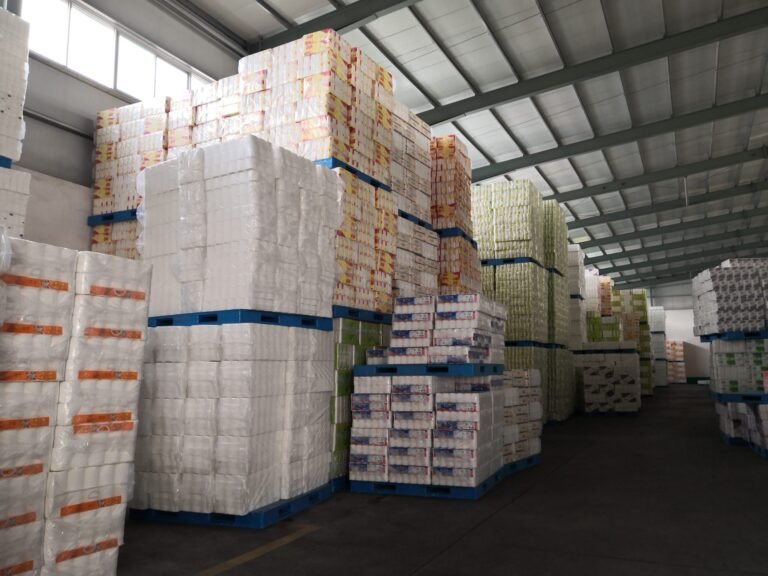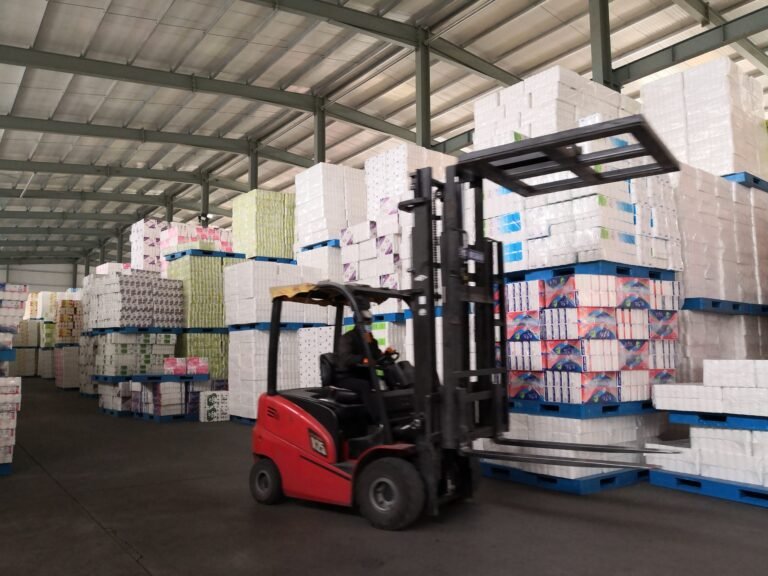
Short answer: a factory audit corrective action only closes when each finding carries one owner, one due date, one named piece of evidence, one way to verify it and one signature that closes it; a list without those five fields is a stack of regrets, not a plan. The report is done, from a third-party social audit, an in-house technical visit or a customer’s brand team walking your line. You now hold findings and a deadline in weeks. The hard part is the day after: making a corrective action change behaviour on a floor nine thousand kilometres away, without standing on it. The visit and what to get in writing before you leave belong to the guide on running the factory visit as an audit; whether a social report is genuine belongs to the guide on checking a social-audit report. This page assumes a real report and asks how you make the findings get fixed.

Why a Factory Audit Corrective Action List Dies on the Shelf
Findings rarely die because people are lazy. They die in a translation gap. An audit report is written for a compliance officer, in the language of clauses and risk ratings. A production floor runs on work orders: a named machine, a named operator, a change made before the next shift. The report lands in a shared folder, everyone agrees it is serious, and by Friday the rewinder runs the same tension setting as before the audit, because nobody decided which line, which person, which by-when.
The other half is ownership. On your side, a finding with no single owner has no owner; quality, category and compliance each assume one of the others is chasing it. On theirs, a finding aimed at “the company” gets a polite acknowledgment and no line change, because the sales desk cannot adjust a machine and the plant manager was never copied. Before you write one action, fix both ownership fields: one person on your team who carries the finding to closure, one named person on theirs who can make the change.
Sorting Findings Into What a Converting Plant Can Control
A finding list is not uniform, and treating it as one bucket is how closure stalls. Sort every item into a pile first, because each has a different realistic owner and a different realistic evidence artefact. Machinery and maintenance belongs to the plant outright: a worn embossing roll, a dull log saw, a rewinder losing tension. Process control is theirs but softer: whether the in-process check on grammage and perforation is run each shift or only ticked at day-end. Training and supervision is theirs but slow and hard to prove. Documentation is theirs and the cheapest fix.
The remaining two piles are the uncomfortable ones. Raw-material sourcing is partly theirs and partly upstream: a converter buys its mother rolls and can show who it buys from and what it tests on receipt, but it does not run the pulp mill. And some findings are really the buyer’s own doing, a spec nobody wrote down, where the fix is a purchase-order amendment on your side, not a plant instruction. If the finding is “an unapproved change ran on the line,” that is a change-control problem covered by the guide to controlling a mid-order change on an approved SKU. A note on evidence: a plant can show what it controls, but nothing here claims it holds a standard such as ISO 9001 or a social-compliance accreditation. Where a market or customer program requires a scheme, that is a rule for you and your auditor to verify, not a document to invent.
Root Cause Versus Symptom, in Tissue Terms
Two audits can write the identical finding and demand opposite corrections, because the same symptom hides different causes. Ask the plant the boring “why” three times and write the answers. “Wet-strength complaints on the kitchen line” might be a resin dosing error, a bonding adjustment, or a spec that promised more than the paper was configured to give. The 40 percent gain in water and oil uptake this category is built around comes from the kitchen sheet’s 3D net embossing specifically, so a closure that flattens the pattern to stop a jam trades the property the customer bought. See what that pattern is for on the kitchen paper towel line.
The others behave the same. “Dust in the cube-box facial tissue” can be a drifted purification control, a saw lifting fibre, paper dried too far in storage, or a spec that never set a dust limit; the acceptance test for the dust is a separate discipline, not part of this conversation. “Carton crush in the DC” can be a master-carton grade never specified for the stack height, or a container stuffed short of its moisture-proof protection. “Unapproved raw material” can be a real substitution or a lot approved but never logged, identical on the report and nothing alike on the floor. Root-cause work is what stops you paying a plant to retrain operators for a defect that was a missing line on your purchase order.
The Factory Audit Corrective Action Plan That Survives Distance
A plan that survives nine thousand kilometres and a language barrier is boring and specific. One finding gets one line with five fields: one owner (a person, not a department), one due date, one named evidence artefact, one verification method, one signature that closes it. “Review quality procedures” is not a corrective action, it is a mood. “Run and record the in-process grammage and tension check at every shift start for fourteen days, and send the completed log, not a photo of the log book” is. Only the second one you can verify from your desk.
Be blunt about the evidence field, because that is where distance bites. “We have trained the operators” is not evidence; a training photo proves nothing about the next night shift. What counts: a dated in-process log with readings, the incoming-material register for the rolls that fed the disputed run, a batch record tying the corrected lot to a day and line, or the retained approved sample compared to a shipping-lot pull. The sealed reference behind that comparison is owned by the guide to locking the approval sample before production, and the traceability that lets a closure name one day is a separate folder, mapped in the lot traceability and recall file guide. A corrective action closes against a record that exists, not a new promise.
Verifying Closure Without Another Flight
You will not fly out for every finding, so build verification cheap enough that you actually run it. The workhorse is a video walk-through of the corrected condition, in the order that makes it hard to stage: start the camera at the incoming-material register and read the batch number aloud, walk to the machine, run product, and let the in-process log come into frame with the readings filled in. You are seeing the record while the process runs, not a photograph taken afterward.
Two levers sit behind the video call when a closure looks hollow. The first is a follow-up inspection booked against the same defect list you wrote before the container; the mechanics of making an inspection actually bind the plant are covered in the guide to making pre-shipment inspection enforceable. The second is the money: under the 30 percent deposit and 70 percent balance-before-shipment structure this trade runs on, the balance is your leverage, and a gating finding should be verified before the balance clears. Match verification to severity: a cosmetic finding closes on a photograph, one that touches customer claims or safety on the record, the video and if needed an inspection.

Close-Out Timelines, Slips and Escalation
Realistic windows sort by severity and by what the fix physically is. A documentation finding, a log the plant was not keeping, closes in days, because no machine changes. A process-control finding needing a set-point reset and a few proving runs closes within one or two production cycles. A worn tool is a procurement problem and can stretch weeks; an upstream raw-material finding is slowest, because the plant’s supplier clock is not under either party’s control. Anchor the fast ones to the calendar you have: sampling dispatches in one to three working days, a first production run twenty-five to thirty, a reorder twenty to twenty-five. A due date inside the next window is credible; one after it is a wish.
Write the consequence of a slip into the plan before the date, not after it is missed: which findings are gating, so an unverified closure holds the balance or shipment, and which are non-gating, tracked but not stopping the box. Leverage changes the moment money moves. Once the balance is paid and the container is on the water from Tianjin Xingang, your power to force a line change on a late-flagged finding drops sharply, because the plant has nothing to lose on that order. Escalation after payment is commercial, not operational; it lives in the terms of the next PO.
A Reusable Evidence File and Repeat-Audit Readiness
The quiet upside most buyers miss: a supplier who closes findings well hands you an asset at the next audit. When a new customer’s brand team reads your onboarding file, they do not want a factory with zero findings; they want one that can show, per finding, the cause, what changed, when it was verified, and that it held. That is the same evidence-chain reasoning a management-system auditing standard such as ISO 19011 is built around; the standard is named here for orientation, not claimed as something this plant holds.
Keep one corrective-action file per account, not one per audit, so the same closure satisfies several customers. Each row carries finding, date raised, root cause, owner, action, evidence, verification method and date, and closed-on signature. Hand that file plus the records beneath it to the next brand audit and a re-audit becomes paperwork instead of a disruption. The recurring types here, dust, grammage, perforation, carton crush, are worth a standing folder you rebuild every run rather than re-argue every visit.
The Corrective Action Matrix at a Glance
Compressed to the sheet a buyer holds against a supplier. Read it as one rule with five columns: a finding is closed only when each field to its right has a name, an artefact, a method and a signature.
| Finding type | Likely root cause | Acceptable evidence of closure | Verification method | Who signs it |
|---|---|---|---|---|
| Process check not run each shift (grammage, tension, perforation) | Checklist ticked at day-end, not performed per shift | Filled in-process log, dated, with real readings, not a blank form | Video walk while the line runs; review a fortnight of logs | Plant QC lead and buyer’s quality owner |
| Worn tooling (embossing roll, log saw) | Maintenance slipped; symptom mis-read as operator error | Maintenance record naming the part and date fitted | Compare a corrected run against the retained approved sample | Plant maintenance lead |
| Dust or lint on facial tissue | Purification drifted, saw lifting fibre, or no dust limit specified | Reading against the buyer’s own dust limit, plus corrected condition on video | Goods-in acceptance test at the port against your number | Buyer (spec) and plant QC (fix) |
| Carton crush in the DC | Carton grade or stack height unspecified; packing skipped | Revised packing spec plus loading and moisture-proof packing photos | Drop-test on the restated carton spec before stuffing | Whoever wrote the packing spec |
Frequently Asked Questions
What makes a factory audit corrective action stick with a distant supplier?
Each finding is reduced to one line with five fields: a named owner on each side, one due date, one named evidence artefact, one verification method, and a closing signature. Statements like “we have trained the operators” carry none of these and cannot be checked from your desk, while a dated in-process log, an incoming-material register, or a batch record can be. What kills most lists is the missing translation from a compliance report into a work order a specific machine and person can act on.
How do I tell a root cause from a symptom on a tissue line?
Ask why three times and write the answers. The same symptom, say a wet-strength complaint on the kitchen line, can trace to a resin dosing error, a bonding adjustment, or a specification that promised what the paper was never configured to give. Each points to a different owner and a different proof. The danger is paying a plant to retrain operators for a defect that was actually a missing line on your own purchase order. A correct root cause names the one checkpoint that let the symptom through.
Can I verify a closed finding without flying back to the factory?
Yes, and keep it cheap enough to actually do. The workhorse is a video walk-through that starts at the incoming-material register, reads a batch number aloud, then runs product so the completed log comes into frame while the process runs, not a photo taken afterward. Match verification to severity: a cosmetic finding closes on a photograph and signature, while one touching customer claims or safety closes on the record, the video, and if needed an independent inspection before the balance clears.
What happens when a corrective action date slips before my container ships?
Decide the consequence before the date, not after it is missed. Mark each finding gating, so an unverified closure holds the balance or shipment, or non-gating, so it is tracked but does not stop the box. Leverage is strongest while the balance is unpaid, because under the deposit-and-balance structure the money has not left your side. Once the container is paid and on the water, chasing an open finding turns commercial rather than operational.