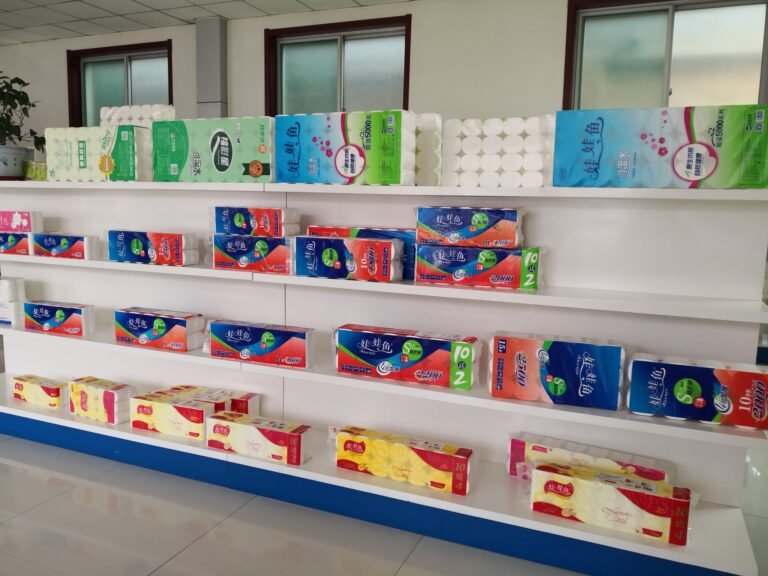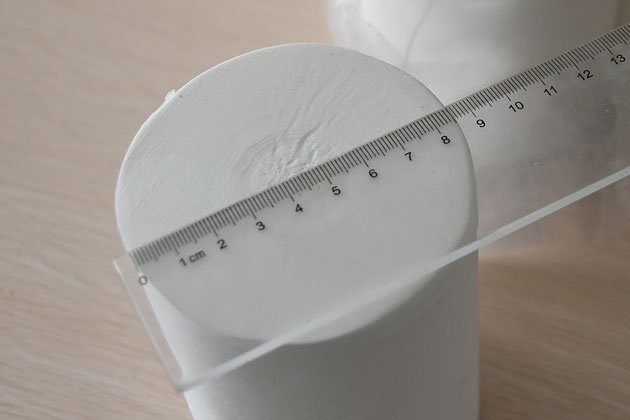
Ply count is the first number on almost every toilet paper quotation, and the one buyers most often treat as a verdict on quality. It is not a verdict. Three-ply is not automatically better than two-ply, and one-ply is not automatically a downgrade. Ply is a construction variable that only carries meaning once it is read alongside basis weight, embossing pattern and the method used to bond the sheets together. A buyer who writes “3 ply” on an inquiry and nothing else has handed the factory freedom on every parameter that actually decides hand feel, roll diameter, meterage and landed unit cost.
This guide explains what genuinely changes between 1-ply, 2-ply and 3-ply toilet paper at production level, which construction fits which sales channel, and which specification fields to lock down in writing before a quotation is accepted. It is written for importers, wholesale distributors and private label brand owners buying by the container rather than by the shelf pack.
Why Ply Count Alone Does Not Define Quality
Ply simply counts how many tissue webs are stacked in the finished sheet. Everything a buyer actually cares about — softness, strength, opacity, absorbency, bulk, how the roll behaves in a dispenser — comes from the interaction of that stack with fibre, weight and finishing. Two quotations for “3 ply toilet paper” can describe physically different products, because the factories behind them made different decisions on basis weight and bonding.
Consider softness. Softness is driven by fibre selection, creping, embossing and the bulk of the sheet, not by the ply number in isolation. A well-built 2-ply sheet from a long-fibre virgin pulp web with a softening emboss can feel fuller in the hand than a 3-ply sheet made from three thin, densely wound webs. Now consider strength. Wet and dry tensile strength come from fibre length and bonding chemistry. Adding a third ply adds material, and material helps, but it does not substitute for a proper long-fibre ratio in the base web.
There is also a commercial consequence that rarely appears in product listings. Ply is the most visible line on a quotation, which makes it the easiest line for a supplier to inflate while quietly reducing basis weight behind it. A roll can move from 2-ply to 3-ply on paper and still deliver less tissue per roll if the per-ply weight drops and the rewinding tension is reset to change the roll profile. This is why the ply conversation has to be finished on the certificate of analysis, not on the quotation sheet.
Top Source Paper operates as a 100% virgin wood pulp source factory in Mancheng District, Baoding, in the northern China tissue cluster, and produces standard toilet rolls in 1-ply, 2-ply and 3-ply at 13–18 GSM, cored or coreless, with water-soluble, degradable sheets. No recycled or reprocessed pulp is added to any construction. That single material commitment is what makes a ply comparison meaningful in the first place: with a consistent virgin fibre base, the differences between ply levels are real engineering differences rather than noise from variable furnish.
1-Ply, 2-Ply and 3-Ply Compared
The table below summarises the three constructions as they are produced on the standard toilet paper line, together with the channel each one is normally built for. Treat the basis weight column as the factory’s quoted range for the line, and confirm on every order whether the figure refers to a single ply or to the finished multi-ply sheet.
| Construction | Sheet build | Quoted basis weight | Finishing options | Best channel fit |
|---|---|---|---|---|
| 1-ply | Single virgin pulp web | 13–18 GSM for the standard toilet paper line | Micro embossing, edge embossing; cored or coreless | Value retail multipacks, high-volume institutional supply, cost-per-roll tenders |
| 2-ply | Two webs, laminated or adhesive bonded | 13–18 GSM for the standard toilet paper line | Micro embossing, edge embossing, point-to-point lamination; cored or coreless | Mainstream supermarket retail, hotel guest rooms, standard distributor stock lines |
| 3-ply | Three webs, multi-ply lamination with adhesive bonding | 13–18 GSM for the standard toilet paper line | Micro embossing, edge embossing, decorative emboss; cored or coreless | Premium retail, private label brand ranges, hospitality positioning at the top of a shelf |
One point deserves emphasis, because it is where an otherwise acceptable delivery can still fail a goods-received check. The quoted GSM must be pinned to a defined basis. Ask the supplier to state, in the proforma invoice, whether the number is per ply or for the finished sheet, and ask for the same basis to be repeated on the COA. A 2-ply roll quoted at one basis and inspected at another will fail that check even when the paper itself is perfectly acceptable.
What Actually Changes Between Ply Levels
Basis Weight and the GSM Conversation
Across the full Top Source Paper range, from toilet rolls through hand towels to kitchen paper, basis weight capability spans 13 to 45 GSM. Standard toilet rolls sit at the light end of that span, quoted at 13–18 GSM, because a bathroom roll has to be soft, has to break down in water and has to wind onto a core within a target roll diameter. Heavier weights in the range belong to the towel and kitchen categories, where wet strength and absorbency carry more weight than flushability.
Adding a ply multiplies the fibre in the sheet. That is the whole mechanical benefit and the whole mechanical cost at once: more fibre means more opacity, more bulk and more absorbency per sheet, and it also means more fibre per roll for the same meterage. A buyer who moves a retail line from 2-ply to 3-ply without adjusting meterage or roll diameter is buying a heavier roll, and the extra weight has to be paid for somewhere — in the tissue, in the freight, or in the shelf price.
This is where meterage discipline matters. Rewinding tightness and slit meterage are what stop a specification from being quietly diluted after the order is signed. High-Yield Meterage Control on this line governs both, and the objective is stated plainly: no basis-weight misstatement and no short-meterage shrinkage. Buyers should treat meterage per roll as a contracted number, checked at goods-received, not as an estimate the factory rounds in its own favour.
Lamination and Adhesive Bonding
Multi-ply sheets have to be held together, and the method changes both the feel and the behaviour of the finished roll. Two routes are in use: mechanical lamination, where the embossing pattern itself nests the webs together, and adhesive bonding, where a bonding agent is applied at the emboss points. Multi-ply lamination with adhesive bonding is available across the 1-ply, 2-ply and 3-ply range.
The practical difference shows up in two places. First, delamination at the perforation: poorly bonded multi-ply sheets separate when the user tears the roll, which is a visible defect in a retail pack and a complaint driver in a hotel. Second, bulk versus density. Adhesive bonding at the emboss points leaves unbonded areas that trap air, and that trapped air is what produces the cushioned feel buyers associate with premium 3-ply. A sheet bonded too densely loses the air and reads as thin regardless of its ply count.
Bonding chemistry also interacts with flushability. Standard toilet paper on this line is specified as water-soluble and degradable, so any adhesive system in use has to break down in water on a similar timescale to the fibre itself. If you sell into a market where septic performance is a purchase criterion, ask for the flushability position to be stated on the specification sheet rather than inferred from the ply count.
Embossing and Perceived Bulk
Three embossing processes are available: micro embossing, edge embossing, and 3D web-pattern embossing in Deco and point-to-point forms. For toilet rolls, micro embossing and edge embossing are the standard finishing across the 1-ply, 2-ply and 3-ply range, and the choice is largely about where you want the sheet to look and feel worked.
Micro embossing is a fine, all-over pattern. It increases surface area and softens hand feel without adding visible texture, which makes it the usual choice for retail rolls that have to look smooth inside a printed film pack. Edge embossing works the sheet perimeter and is what holds the plies of a roll together at the edge, giving the roll a clean, defined profile on the shelf. Point-to-point and Deco patterns are heavier, more decorative and more structural; they add real bulk and are the route to a premium 3-ply presentation.
Because embossing contributes to bulk, it is also a lever a supplier can pull to make a lighter sheet feel heavier. That is legitimate engineering when it is disclosed and a problem when it is not. Ask which embossing process is quoted, and check that the same process appears on the sample you approve and on the production run that arrives.
Matching Ply to Sales Channel
Ply selection is a merchandising decision before it is a technical one. The right question is not “which ply is best” but “which ply does this channel pay for, and which ply survives the handling in this channel.”
Value retail multipacks and large-format discounters. One-ply and 2-ply dominate here, because the purchase is driven by roll count and price per pack. One-ply at a controlled basis weight delivers a competitive pack count without the fibre cost of a third web. If you are quoting into this channel, the winning specification is usually a 1-ply or 2-ply roll with micro embossing, a firm rewind and a meterage figure you can defend on inspection. Container economics and order sizing for this kind of volume line are covered in the bulk toilet paper sourcing guide.
Mainstream supermarket retail. Two-ply is the default. It gives enough opacity and softness to sit on a mid-shelf without the fibre cost of 3-ply, and it laminates cleanly for a printed film pack. Most distributor stock lines live here.
Premium retail and private label brand ranges. Three-ply earns its cost when the pack is sold on hand feel and presentation. Decorative embossing, a clean bonded edge and a firm roll profile matter more in this channel than in a discount multipack, because the consumer is holding the roll and judging it. If you are building your own brand rather than reselling, the ply decision belongs inside a wider packaging and formulation brief — the OEM and private label service covers how custom embossing, core specification and printed packaging are handled together.
Hospitality and guest-room replacement. Hotels buy on replacement frequency and guest perception. Two-ply and 3-ply both appear here; the deciding factor is usually housekeeping labour cost per roll change weighed against the fibre cost of a heavier sheet. A guest-room roll that runs out mid-stay costs more in complaints than the extra ply would have.
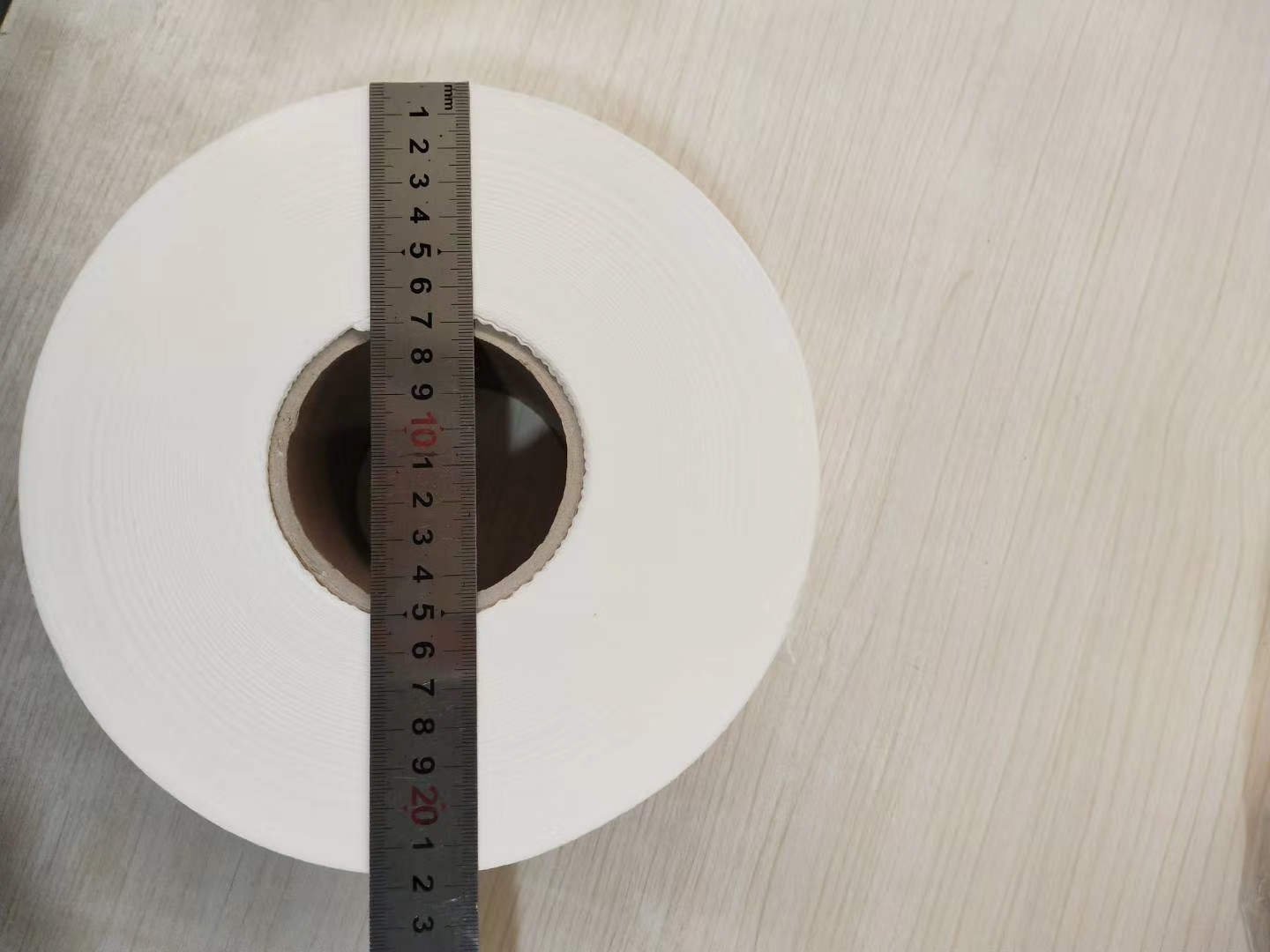
Commercial washrooms. This is where standard rolls stop being the right product. High-traffic washrooms in offices, airports, hospitals and factories are served by jumbo roll tissue, built at 2-ply and 3-ply in diameters from 18 cm to 28 cm with long-fibre reinforcement for tensile strength. The specification logic differs enough to warrant its own treatment — the jumbo toilet paper range covers dispenser fit and meterage for that channel.
Writing Ply Into a Sourcing Specification
A specification that survives contact with a production run names every interacting variable, not just ply. The fields below are the minimum to fix in writing before a deposit is paid. Anything left blank is a decision the factory will make for you.
- Ply count — 1, 2 or 3, stated as an integer with no tolerance.
- Basis weight and its definition — the GSM figure plus an explicit statement of whether it is per ply or for the finished sheet.
- Fibre furnish — 100% virgin wood pulp, with the long and short fibre ratio confirmed for the order. No recycled content.
- Embossing process — micro, edge, or Deco and point-to-point, named rather than described as “embossed”.
- Bonding method — mechanical lamination or adhesive bonding, and the delamination standard expected at the perforation.
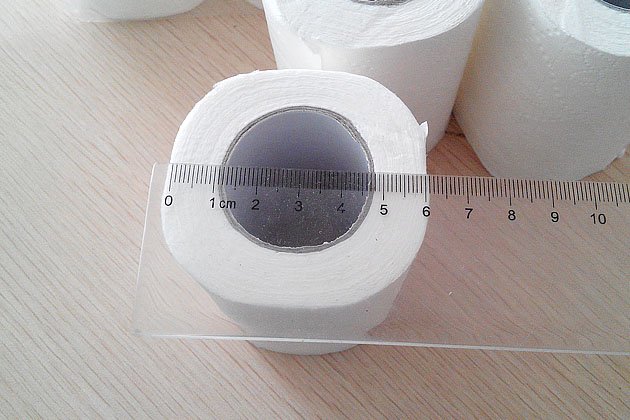
- Roll geometry — cored or coreless, core inner diameter if cored, roll diameter, sheet size, and meterage or sheet count per roll.
- Flushability position — water-soluble and degradable, stated for the finished construction.
- Whiteness route — brightness level on the COA, and confirmation that no fluorescent brightening agents are used.
- Pack and carton — rolls per pack, packs per carton, whether film and carton are plain or custom printed, and the carton specification that will be drop tested.
- Trade and payment frame — FOB, CIF, CFR or EXW from Tianjin Xingang Port, with 30% T/T deposit and 70% balance before shipment.
Order quantity follows the specification, not the other way round. White-label and plain stock can start from one 20GP container. Custom printed packaging moves the minimum to one 40HQ, because plate-making and print setup have to be amortised across a full container. Sampling and dispatch of small samples takes 1 to 3 working days, first bulk production runs 25 to 30 working days including packaging plate-making and outer carton printing, and repeat orders run 20 to 25 working days. If you have not yet built a supplier shortlist, the guide to sourcing tissue paper from China walks through the full sequence.

Verifying Ply Claims on the COA
Specification is only half the job. The other half is proving, at goods-received, that what arrived matches what was contracted. Three documents can be provided with every order, and all three should be named in the purchase order rather than left as an expectation: a 100% virgin wood pulp physical-property COA covering tensile strength, brightness and virgin fibre verification; a wet tensile and dust-rate test video pack; and container reinforcement and moisture-proof packing photographs and video.
Read the COA against the specification line by line. Virgin fibre verification is what confirms the furnish behind the ply — a 3-ply sheet carrying recycled content will not read the same on a fibre verification report, and it will behave differently in water. Tensile strength tells you whether the added plies were supported by proper fibre length or simply stacked. Brightness confirms the whiteness route without fluorescent brightening agents.
The three-stage QC process behind that paperwork runs from parent roll sampling for tensile strength and brightness, through in-process inspection during converting for basis weight, tension and perforation line, to a pre-shipment final inspection covering carton specification and drop test. Buyers who want more than the standard pack should ask for the in-process basis weight records for their own order, because that is the stage where a GSM drift would first become visible. The payment structure supports this checkpoint: with 30% T/T deposit and 70% balance before shipment, the QC report and container seal video are provided before the balance falls due, which puts a documented inspection point in place while part of the money is still in your hands.
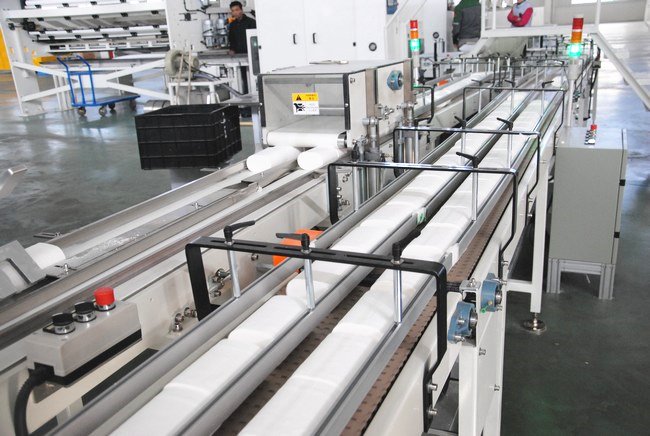
Ply decisions interact with roll size — see the toilet paper roll dimensions guide for how width, core, and meterage complete the spec sheet.
Frequently Asked Questions
Is 3-ply toilet paper always better than 2-ply?
No. Three-ply contains more fibre, which generally improves opacity, bulk and absorbency per sheet, but softness and strength depend on fibre furnish, basis weight, embossing and bonding. A 3-ply sheet built on thin webs with dense bonding can feel worse than a well-built 2-ply. Specify basis weight and embossing alongside the ply, and judge an approved physical sample rather than the ply number.
What GSM should I specify for 3-ply toilet paper?
Standard toilet rolls on this line are quoted at 13–18 GSM, within a full-range capability of 13 to 45 GSM across all product categories. The important step is to fix whether the quoted figure is per ply or for the finished sheet, and to have that same basis repeated on the COA. Without the definition, two suppliers can quote the same number for physically different products.
Does adding a ply increase the cost per roll?
It increases the fibre in each sheet, so material cost per roll rises unless meterage or roll diameter is reduced to compensate. Freight follows the same logic, because a heavier roll changes how many units fit into a container. Ask for the quotation to show ply, basis weight, meterage and roll diameter together so the comparison is like for like.
Which ply sells best in mainstream retail?
Two-ply is the standard mainstream retail construction, because it balances opacity and softness against fibre cost and laminates cleanly for printed film packs. One-ply is used for value multipacks sold on pack count and price, and 3-ply is used for premium and private label ranges sold on hand feel and presentation.
How do I confirm the rolls I receive are the ply I ordered?
Check the COA that ships with the order, covering tensile strength, brightness and 100% virgin fibre verification, and compare it against the specification in your proforma invoice. Count the webs in a sheet from a randomly selected roll at goods-received, verify meterage against the contracted figure, and request the in-process basis weight records if any sample reads outside specification.
Can 1-ply, 2-ply and 3-ply all be flushable?
Standard toilet paper on this line is specified as water-soluble and degradable across the ply range, with no fluorescent brightening agents and no harmful chemical additives. Where septic performance is a purchase criterion in your market, have the flushability position written into the specification for the finished construction rather than assumed from the ply count.
Fix the Specification Before the Quotation
Ply count is a starting point for a conversation, not the answer to one. The buyers who receive consistent containers are the ones who specify ply together with basis weight and its definition, fibre furnish, embossing process, bonding method, roll geometry and meterage — then verify all of it against the COA at goods-received. Get those fields right and a 1-ply value roll, a 2-ply mainstream roll and a 3-ply premium roll each do exactly the job they were bought to do.
More articles on roll specifications, container sourcing and private label construction are collected in the toilet paper resource library. To request 1-ply, 2-ply and 3-ply samples for a side-by-side comparison, or to have a specification reviewed before you place an order, contact the Top Source Paper team — samples are prepared and dispatched within 1 to 3 working days, and inquiries can also go to info@chinatoiletpaper.com or +86-13180210660 on WhatsApp.
The ply discussion here covers toilet paper only; for a cross-category view of how facial tissue construction differs, the facial tissue vs toilet paper manufacturing guide is the reference.
For buyers weighing roll construction beyond ply, the coreless versus cored toilet paper guide covers dispenser fit and change-out economics.
Ply sets the hand feel, but whiteness is a separate measured claim; the toilet paper brightness buyer guide covers D65 measurement and the fluorescent-agent question.