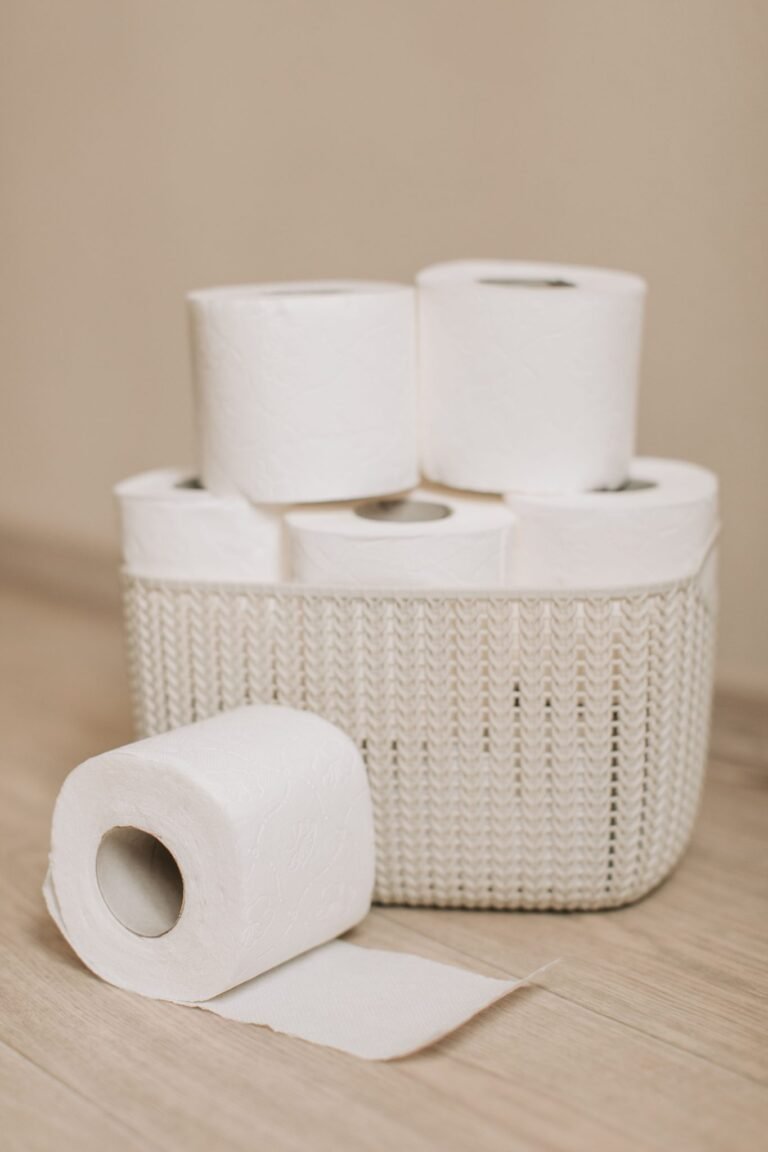
Two rolls can hold the same amount of paper and cost you very different amounts of labor, storage, and waste over a year. That is the whole reason the coreless versus cored question matters to a facility buyer: the cardboard tube in the middle is not free. It eats shelf depth, it becomes a waste stream every time a roll runs out, and in a high-traffic restroom it changes how often your cleaning team is walking a ladder to make a swap.
This is not a consumer “which feels softer in the bathroom” debate. It is a procurement decision about dispenser compatibility, change-out frequency, and delivered cost per meter. Below we compare how cored and coreless toilet paper are actually built, where each one wins in a commercial setting, and how to specify it straight from a converting factory so you are not locked into a single distributor’s carton.
What “Cored” and “Coreless” Actually Mean On The Line
A cored roll is wound around a cardboard tube. The tube gives the roll structural rigidity, so the paper can be wound loose and soft and the whole thing still holds its shape on a spring-loaded dispenser spindle. A coreless roll is compressed into a self-supporting log with no tube at all; density and winding tension do the job the cardboard would have.
Both constructions come off the same family of rewinding and perforating equipment. We produce standard bath tissue in either format, in 1-ply, 2-ply, and 3-ply, at a 13 to 18 GSM basis weight with micro edge embossing, and the same water-soluble, biodegradable pulp spec whether or not there is a tube inside. Choosing the core is therefore a handling and economics decision, not a paper-quality decision, because the sheet itself can be specced the same either way.
Dispenser Fit Decides The Argument Before Price Does
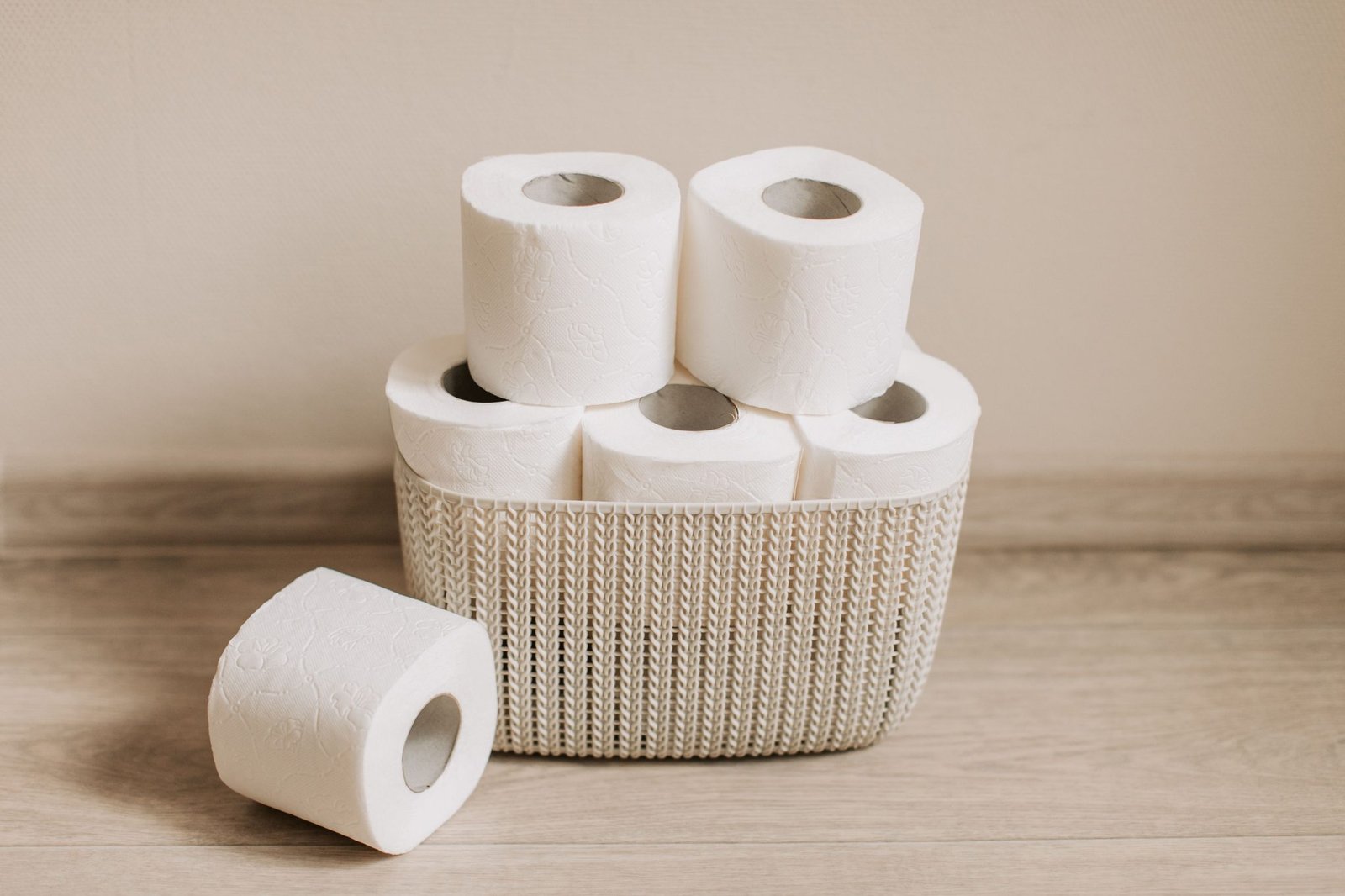
Before you compare a single case price, confirm the hardware already installed in the building, because core type and dispenser type are married. A cored roll needs a spindle or spring that the tube slides onto. A coreless roll usually runs in an enclosed cartridge or a center-pull-style housing where the log is supported by the dispenser body rather than a rod.
Core size is a real spec variable on the cored side: commercial cored products ship with different inner-core diameters, and a roll will not seat correctly if the core and spindle disagree. As a reference for how seriously the market treats this, Kimberly-Clark’s Scott Essential Jumbo line publicly lists a specific 60 mm core on its high-capacity rolls, which is exactly the kind of detail you match to the dispenser you already own. A coreless system sidesteps core-mismatch but introduces its own dependency: the log has to match that system’s cartridge geometry.
The practical move is to photograph your dispensers and note the format before you request a quote. If you are also weighing roll diameter and sheet width against the dispenser cavity, the toilet paper roll dimensions guide covers the measurement side of that fit.
Change-Out Frequency And Labor, Where Coreless Pulls Ahead
Here is where the tube quietly costs you money. Coreless systems are engineered to hold more paper in the same footprint precisely because there is no hollow center wasting volume. Tork’s OptiServe coreless commercial system, for example, is marketed at roughly three times the roll capacity of a traditional roll and up to around 72 guest services per roll, with no core and no wrapper left behind. Strip out the vendor claims and the structural truth remains: a solid log spends its whole internal volume on usable paper, so fewer rolls leave the storeroom and fewer change-outs are logged per fixture per week.
Model it on your own site rather than trusting a benchmark. Take the number of fixtures, multiply by how many change-outs each fixture needs per week under your footfall, and multiply by the minutes a change-out takes including the walk and the stock run. Coreless and higher-capacity formats shrink that middle term. In a stadium, terminal, or hospital corridor where fixtures run dry between scheduled cleans, that reduction is the point of buying them; in a low-traffic office powder room, it barely moves and the cheaper cored option wins.

Waste, Storage, And The Recycled-Pulp Question
Cored programs generate a steady stream of cardboard tubes and, on individually wrapped rolls, film wrappers. That is a disposal cost and, on any sustainability scorecard you report, a real line item. Coreless removes the core waste at source, which is a large part of why facility sustainability teams push for it. The trade-off goes the other way on storage and handling: loose cored rolls stack and ship predictably, while high-density coreless logs are heavier per unit and can demand different racking.
One caution on the cheap end of the market. Some very low-cost coreless rolls lean on dense, low-grade or recycled furnish to hold their shape. Our portfolio is the opposite stance: 100% virgin wood pulp with a controlled long- and short-fiber ratio and no de-inked recycled furnish across a 13 to 45 GSM range, so a coreless log can be dense without importing the shedding and grey-tone problems that recycled coreless often carries. If your venue is a sensitive one (a clinic, a food plant, a premium hotel), that distinction matters more than the core itself.
Specifying It Direct From A Converting Factory
Most buyers meet coreless versus cored as two fixed SKUs on a distributor’s price list. Buying from the converting side turns it into a spec you set. You choose ply, GSM band, embossing, sheet count, whether there is a core and what diameter, and how the paper is packed, instead of adapting your building to somebody else’s carton.
Unbranded white-label programs ship from a shared 20GP container, so you can test a format without committing a full custom run. A custom-printed program, your logo and your case configuration, starts at one 40HQ. Samples of the actual roll go out in one to three working days so you can fit them to your dispensers before you buy a container, first production lands in 25 to 30 working days, and reorders run 20 to 25. For the roll-count and sheet-count side of that same spec, cross-check the 1-ply versus 2-ply versus 3-ply breakdown, and quote the whole bath-tissue program against the toilet paper line page.

Video: virgin wood pulp toilet tissue converting and rewinding process (Top Source Paper)
Frequently Asked Questions On Coreless Toilet Paper
Is coreless toilet paper better than cored?
Neither is universally better. Coreless holds more paper per unit, cuts cardboard-core waste and change-out frequency, and suits high-traffic venues. Cored is cheaper to buy and ship and simpler to store. Match the format to your dispensers and footfall.
Does coreless need a special dispenser?
Usually yes. Coreless logs run in enclosed cartridge or center-pull housings that support the roll body, while cored rolls need a spindle the tube slides onto. Confirm your installed hardware before specifying either.
Is coreless toilet paper more expensive?
The purchase price per roll is often higher, but delivered cost per meter and per change-out can be lower in busy washrooms because there is no wasted core volume and fewer swaps. Run the labor math for your own traffic.
Can I buy coreless and cored toilet paper in bulk from a factory?
Yes. White-label ships from a shared 20GP container; a custom-printed run starts at one 40HQ, with samples in one to three working days and first production in 25 to 30.