Short answer: the party carrying the risk at sea owns the marine cargo insurance tissue imports can actually claim on, which under FOB or EXW is the buyer, not the mill, and the policy pays for an external event, not for paper behaving like paper. Nobody argues about whether a carton got damp. They argue about which water did it, accident or hygroscopic fibre reacting to the voyage, and whether you can prove the load went in dry.
Who Should Have Held the Cover
Terms decide this, invoices do not. Under FOB Tianjin Xingang or EXW Baoding, risk crosses to the buyer once the goods are on board, so the passage is the buyer’s exposure and the buyer’s policy. Under CIF the seller must buy cover for the buyer’s benefit and pass the documents over, but risk still transfers at the load port, so the buyer still files. A CIF buyer holding only a certificate holds somebody else’s contract: ask for the policy itself before the vessel sails. The FOB, CIF and EXW breakdown here settles who pays what; this page asks what the cover does next.
An EXW buyer assumes the forwarder insured the box; nobody did. A CIF buyer assumes the seller bought generously, when the Incoterms duty is minimum cover only, conventionally contract price plus ten percent, which insures a purchase and not a business. Our specification sheet does not list cargo insurance among what this factory delivers, so check both readings with your own broker.
What Marine Cargo Insurance Tissue Imports Actually Pay
A cargo policy answers fortuitous loss, and the clause families run on a ladder. Institute Cargo Clauses C covers the violent list events, sinking, stranding, collision, fire, jettison, general average sacrifice. B adds entry of sea, lake or river water into the vessel or container. A is all risks, everything except the written exclusions, and the exclusions are where tissue claims die: ordinary loss in weight or volume, damage from unsuitable packing, loss from the goods’ own inherent nature, and delay even when an insured peril caused it.
Apply that to a cellulosic sponge crossing inside a steel box, and the surveyor’s report turns on water provenance. Sea water leaves salt, so a chloride reading on a damaged carton either supports a seawater entry or kills the claim. Rain or mains water is fresh and arrives from above, matching a hatch, roof or dock-side spray. Condensation leaves no water path at all; the loading and moisture-control guide maps those sweat mechanisms. What decides everything: moisture rising from the goods’ own water content is the inherent vice argument for declining, while water that entered from outside is a peril an all-risks placement should answer. That reading is answered with documents, not argument: the pre-loading water-tightness and seal check, the packing specification agreed in the purchase order, the loading and packing file that ships with the order, and a goods-in note raised at the destination terminal while the box is still sealed.
Sum Insured, Premium, Deductible, Transit Period
Under-insurance is arithmetic and settles proportionally: a partial loss on a policy written below insurable value is cut by the ratio of the shortfall. What follows is arithmetic on published inputs, not a quote. Take the trade-terms example: a 40HQ of private-label tissue at 18,000 dollars FOB, freight of 4,500 dollars to Lagos. Insuring the invoice alone says the box was worth 18,000 dollars on the water, and leaves freight, duty, handling and margin outside. A cost, freight and insurance basis on those inputs gives 22,500, and the ten percent uplift behind the CIF minimum convention takes the declared sum to 24,750. Ask whether resale margin is inside the wording.
The only rate quoted here is the one already published: marine insurance at 0.3 to 0.5 percent of cargo value for all-risks cover, which is 54 to 90 dollars on that container and lands the same page’s worked line at 72 dollars. A few hundred dollars against a full cube removes a write-off, not a discount. But that band spans an all-risks placement and a bare minimum one. Ask whether the deductible bites per claim, container or consignment: on a hypothetical 500 dollar deductible a 3,000 dollar loss pays 2,500 and a 400 dollar loss pays nothing, invented inputs showing a mechanism. Then read the transit period: the warehouse-to-warehouse clause normally ends on delivery to your final warehouse or a fixed number of days after discharge, commonly sixty, whichever comes first.
Read that declaration as an adjuster will and the missing layers become a number. Insurable value on the published inputs is 24,750 dollars, so a partial loss at one third of it is 8,250; declare only the 18,000 invoice and that loss pays at 18,000 over 24,750, which is 6,000, short by 2,250 before anyone disputes the cause. Two costs sit outside even that figure: the surveyor’s fee you advance to get the box opened, and holding cargo while the file runs, warehouse days and disposal. Ask your broker whether those sue-and-labour routes sit inside your limit or fall payable in addition.
The Evidence Stack
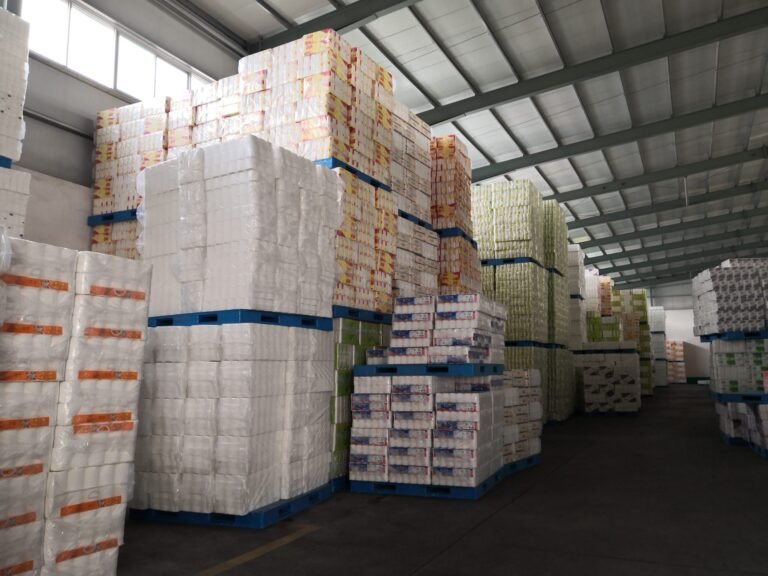
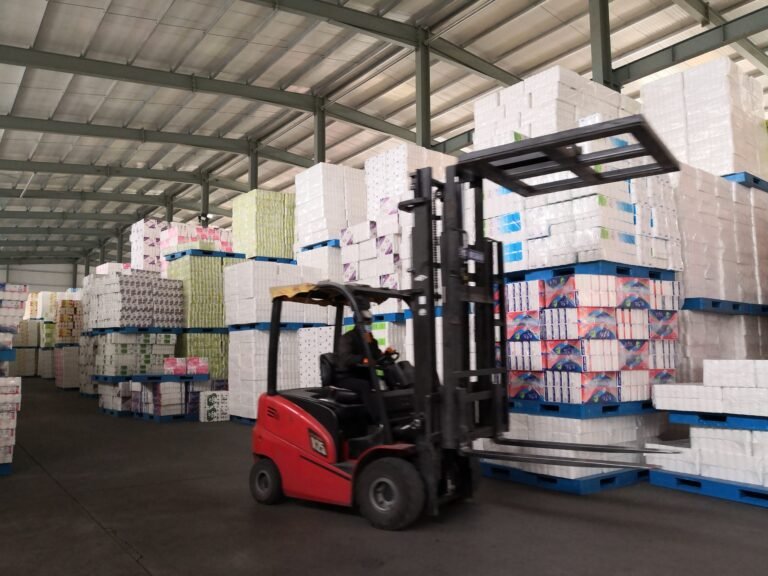
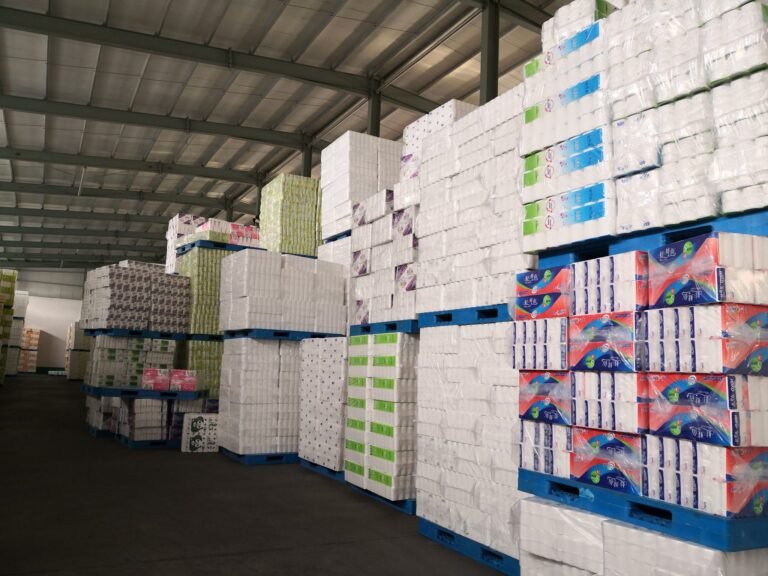
A tissue claim is two ends with a chain between them. The near end proves the goods went out sound, and this mill’s side is documented per order: heavy-duty moisture-proof corrugated cartons on fumigation-free pallets with high-tensile strapping; water-tightness and seal checked before loading; timestamped loading and packing photographs and video; a seal video released against the balance under the 30 percent deposit and 70 percent pre-shipment terms; the COA on tensile strength, brightness and virgin fibre; and the final drop test on carton specification. What those papers prove is settled on the supplier liability certificate page. The carton, inner bag and sleeve page specifies those layers.
The far end decays by the hour, and the photographing order belongs to the moisture and packing guide; what the underwriter needs from your side is a terminal exception or tally note raised at delivery, so the line cannot later call the load clean. Size the claim by the tier you booked: white-label goods move as a shared 20GP, custom-printed cartons or printed outer sleeves as a full 40HQ.
What a Clean Bill of Lading Proves, and to Whom
Clean is a narrow word. A clean bill of lading is the carrier’s receipt for apparent good order and condition seen from outside, at the load port: declared carton count, no crushed corners, no staining, no strap hanging loose. It says nothing about the inside of a closed carton, a roll crushed against its neighbour under shrink film, or water travelling inside a sealed box.
A claused bill changes who you talk to, because the clause is the carrier’s own note made before the sea leg starts: wet cartons in the upper tiers, damaged corners on pallets seven and nine. Banks reject claused documents, and the question moves back toward whoever presented the cargo; an indemnity letter traded for a clean bill only defers that fact until it surfaces in your file. Route by when the damage was first recorded. Before loading, it is a conversation with the party that prepared the goods. On delivery against a clean bill, it is with the line and its protection club. Recorded nowhere at either end is hardest, because you are proving a sequence nobody wrote down. Ask your own line what notation it will accept.
Marine Cargo Insurance Tissue Imports: Peril, Payer, Proof
Non-delivery of whole packages is a policy matter and a carrier matter at once, and theft by an all-risks wording, not the narrower letters. A packing fault provable at loading, missing straps, cartons on an unpalletised floor, a box that failed the water-tightness check before stuffing, is a supplier claim, and this mill answers those from its records. A gap proved against the loading photographs is physical; a gap that exists only between documents is settled in receipt reconciliation against invoice, packing list and ASN, not in a cargo file. The pre-shipment inspection report covers condition before packing closed, not transit damage. Nor is cargo cover the supplier’s liability policy, which defends the supplier against third-party injury claims; your own placement in your market is the part you control.
| What went wrong | Who usually pays | The evidence that decides it |
|---|---|---|
| Sea water entry in heavy weather, flooded hold, box lost overboard | Underwriter on A or B; C only via a listed major peril | Master’s protest, vessel event records, chloride reading, seal photographs |
| Rain, hose or mains water at the load port or terminal | Underwriter on A; carrier or terminal for damage in their hands | Wet path and stowage photographs, dated exception note |
| Mustiness, condensation, mould on cartons and rolls | Argued as inherent vice or unsuitable packing, so the packing record is the claim | Water-tight and seal check, packing specification, loading file |
| Crushed cartons or a shifted stack | Carrier or handler; underwriter where an external event is proved | Damage in position, strapping in the loading photographs, survey |
| Jettison or sacrifice to save the vessel | General average from every interest aboard, guaranteed by your underwriter | General average declaration, average bond, immediate notice |
Shortage Claims: What Each Record Proves and Fails To
Three records answer a missing carton and each proves something the others cannot. A piece count at the dock proves a number differed at one moment, not where it began, and cannot survive a packing list already wrong at origin, so read it against receipt reconciliation rather than alone. A weighbridge or scale docket proves total mass, and mass is the weakest witness on paper goods, because tissue gains and sheds water across a voyage: a pallet that lands light may have dried out, one that lands heavy may have drunk condensation.
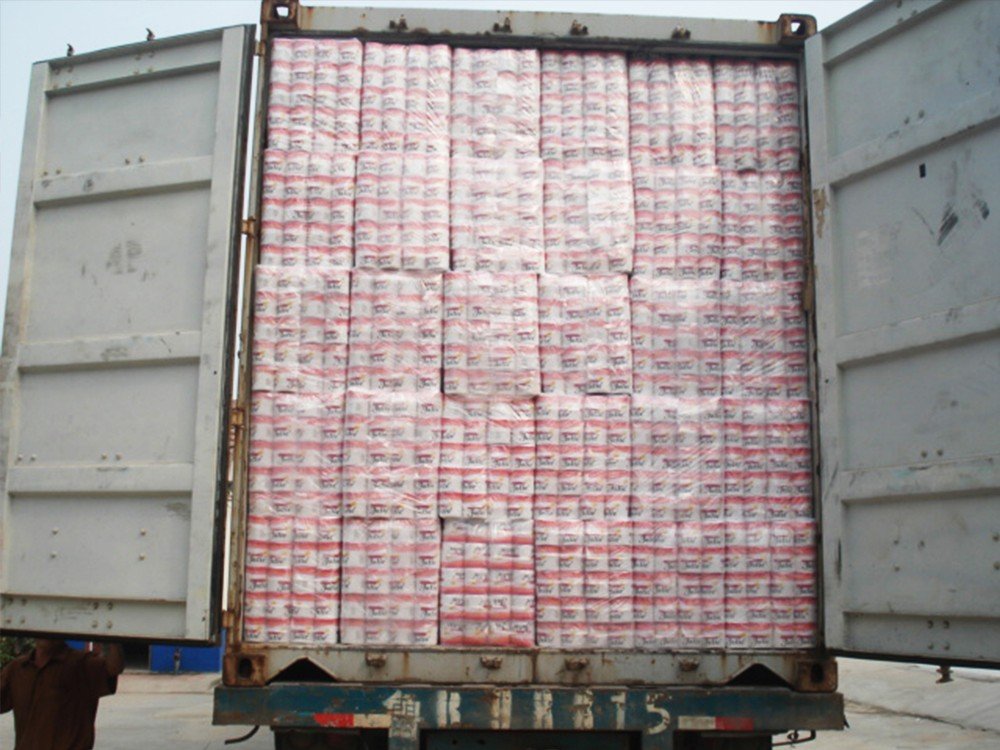
The seal photograph is the pivot and carries less than buyers hope. An unbroken seal at discharge, its number matched to the bill of lading and to the seal video released before the balance was paid, rules out access in transit, which is not the good news it looks like: a load that sailed short was short in a way a flooded load never was, and the underwriter commonly reads that as an origin or documentary matter rather than a cargo loss. A broken or substituted seal points the argument at the line instead. How the pallets were patterned, interlocked rather than blocked, belongs to the mixed-container guide; a blocked stack can collapse into a gap reading like theft after one lift, while a shifted interlocked stack leaves a disturbance a surveyor photographs as movement.
The Clock: Sequence Beats Sentiment
Order of operations. Do not devan before the surveyor sees it, do not move damaged cartons out of position, do not sell or re-work without written consent, do not sign a clean receipt to please the terminal, and notify the insurer or the policy’s named agent the same day you know. Keep unopened samples with legible carton markings and lot codes. The buyer resources library holds the document guides for that exchange.
Then the money, against the sum insured you declared: invoice, freight, duty and handling paid, any salvage account, the survey fee, the value of what survived. Keep the carrier claim live in parallel, because an underwriter who pays inherits your right to pursue the line, and a settlement or waiver signed without their consent can cost you the claim. Mitigation travels with that duty: reasonable steps at the insurer’s cost, drying, sorting, selling cartons as seconds, with the insurer’s agent in the loop. One widely used carrier liability regime bars cargo proceedings after as little as twelve months; your policy’s clock runs under its own governing law. Get both dates from your broker and lawyer.

Frequently Asked Questions
Who should buy marine cargo insurance for a container of tissue from China?
Whoever carries the risk across the water. Under FOB or EXW that is the buyer, from the moment the goods are on board, so the buyer places cover with their own broker. Under CIF the seller must arrange cover for the buyer’s benefit and hand the policy over with the documents, but the buyer still bears the risk and still files.
Does all-risks cover wet cartons and mouldy rolls?
The difference is water origin, not the clause letter. Rain, sea water or mains water that entered the container is external damage, which an all-risks placement is meant to answer. Moisture rising from the goods’ own water content as temperatures swing is the inherent vice argument used to decline, which is why the seal check, packing specification and loading photographs are the claim documents.
Is it a mistake to insure only the FOB invoice value?
Usually yes. Freight, duty, terminal charges, inland delivery and your intended margin all sit outside an invoice-value declaration, and on a partial loss the under-insurance rule cuts the settlement by the same ratio. Market practice writes the sum insured as cost, freight and insurance plus an agreed percentage; the CIF convention uses contract price plus ten percent. Run it on your figures.
How quickly do I have to act when a damaged container arrives?
The same day. Photograph the seal before it is cut, photograph the interior and the damage in position before the load is broken down, and give notice to the insurer or the agent named on the policy. Arrange a survey before you dispose of, repair, re-work or sell anything, and raise any shortage or damage note with the terminal while the box is still there.