Short answer: a factory that refuses to name its pulp suppliers is not necessarily hiding anything; it is protecting a purchase list. The EU Deforestation Regulation (EUDR) puts the due-diligence duty on the operator placing in-scope products on the EU market, which for a private-label importer of Chinese tissue means the importer, not the converting plant. Buyers solve this with a confidential verification channel: the mill discloses supplier identities, certificates and purchase documents to an independent auditor or counsel, and the buyer receives a signed report naming the mills, countries and volumes confirmed, without seeing commercial terms. The honest package for EUDR pulp traceability tissue from a converting mill is a furnish declaration wired to one recognized claim model, batch records joining each container to one pulp lot, and a change-control clause that keeps the claim alive between audits.
Who Carries the Legal Duty When the Mill Is Abroad
Under the EU Deforestation Regulation, the operator placing relevant products on the EU market exercises the due diligence; the consolidated text is public: Regulation (EU) 2023/1115 on EUR-Lex. For a private-label importer of Chinese-made tissue, that duty bearer is normally you, not the converting factory in Baoding. A sustainability team asking who milled your pulp is not being difficult: it requests the only evidence it can legally hold you to, where the fiber was produced and whether any came from post-cut-off deforested land. A factory letter saying “our pulp is legal and sustainable” transfers no risk: no regulator accepts a supplier email in place of a due-diligence file.
Certification supports the file but is not the statement; for an importer already assembling a certification and QC-report package for each container, the fiber paperwork is the same discipline applied one step upstream: declared furnish, certificates checked against their actual scopes, batch records reconciled, and signed statements kept where verifiers reach them.
What the Regulation Text Actually Asks of the Importer
Three obligations in the consolidated text drive everything below. First, due diligence must be exercised before a relevant product is placed on the market. Second, the operator submits a due-diligence statement, via the European Information System, that the products were produced in accordance with the regulation. Third, the information set behind that statement includes geolocation coordinates of the plots of land where the relevant commodities were produced, plus product description and legality evidence from the country of production. Paper and paperboard sit inside the wood family the regulation covers, which is why tissue SKUs keep landing on retailer questionnaires.
One deliberate omission: no application dates here. The EUDR timetable has been revised more than once during the transition, so check the current consolidated text on EUR-Lex with counsel or a customs broker. The documentary file above does not move with the calendar: geolocation, legality evidence, a claim model and batch linkage are needed under every version of the timetable.
What a Chinese Tissue Mill Can Honestly Supply
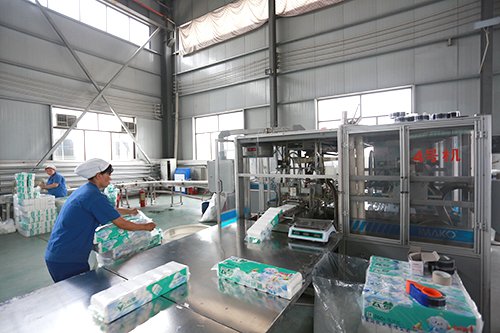
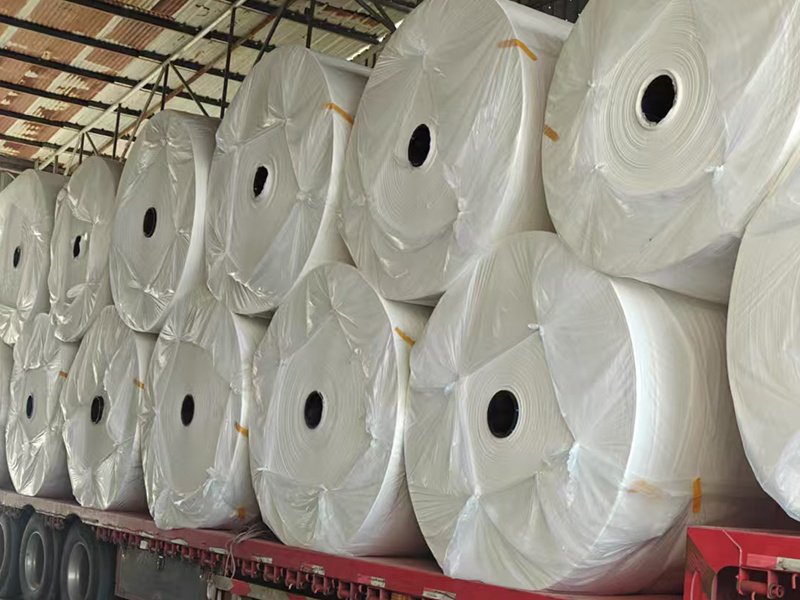
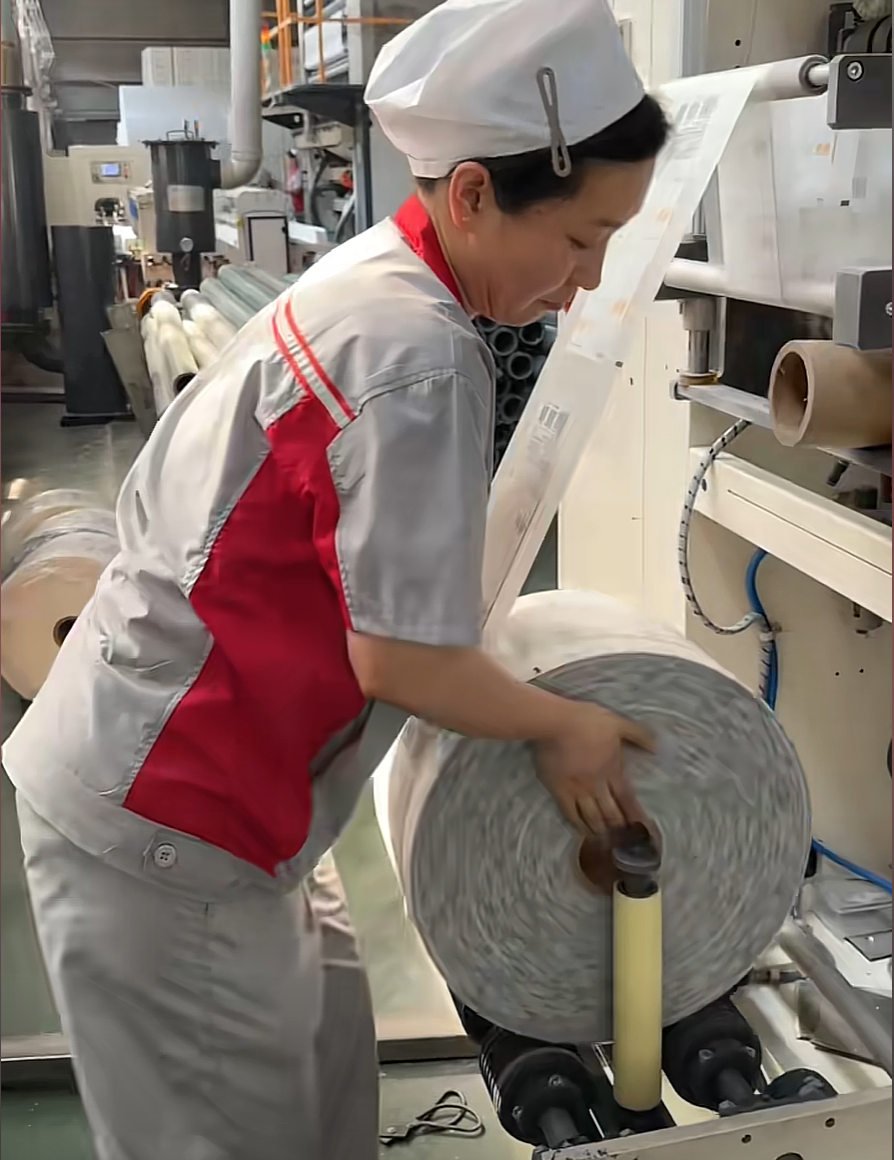
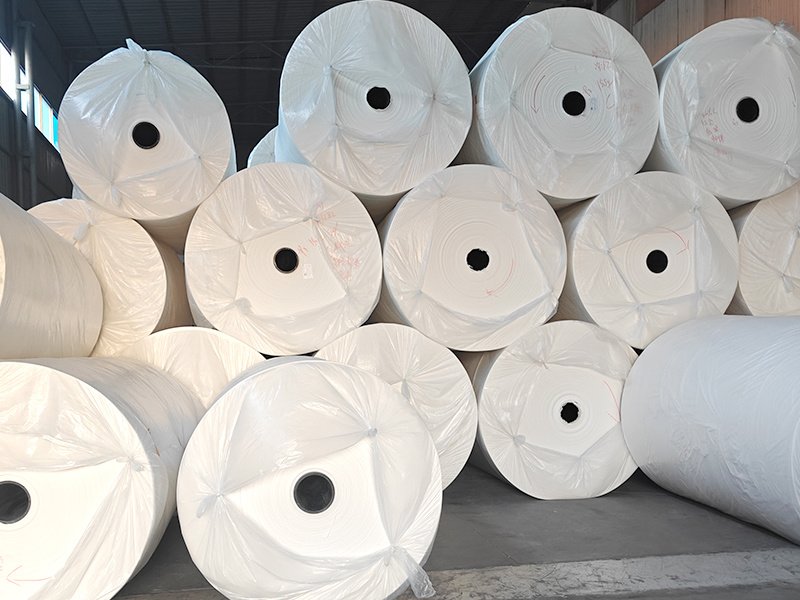
The mill already holds most of the raw data, because buying pulp is a records business. Between your order and the container, the factory holds pulp purchase records, delivery notes, bale tags carrying producer marks and batch numbers, production logs tying reels to furnish batches, and the certificates issued with the pulp sale. For this factory, the specification sheet records 100 percent virgin wood pulp with no recycled filler across the tissue range, narrowing the question to a defined list of named pulp mills.
The factory will not hand you the supplier list in plain view, because that list is your next lever against them and their margin protection against you. The workable compromise is a clause that resolves the conflict without pretending it does not exist: supplier identities and the related purchasing data may be withheld from the buyer but must be disclosed, within an agreed period, to the buyer’s designated independent auditor, certification body or counsel, who verifies against originals. Limited-disclosure verification of exactly this kind is how chain-of-custody checking works inside forest certification schemes, whose standards are published openly on portals such as FSC’s public standards site; the due-diligence statement itself remains your act as the operator, wherever your private-label program is in its first or tenth container.
Three Claim Models and the Files Each One Requires
A furnish declaration should force the mill to choose among three honest configurations. Certified segregation keeps certified pulp physically separate from other stock: cleanest claim, costliest. Controlled-wood verification proves non-certified fiber comes from sources the scheme excludes. Credit accounting reconciles claim volumes through certificate accounts while inputs mix physically, and the on-pack wording changes accordingly. Anything beyond these three, including plantation-fiber stories that start and end with one email, is marketing, not traceability.
| Evidence element | What the converting mill can honestly supply | What the EU importer / operator must do |
|---|---|---|
| Furnish declaration | Written statement of pulp type and furnish per batch, signed by the quality manager | Keep the declaration matched to the PO revision and on file for the verifier |
| Pulp supplier identity | Names, mill country and certification status disclosed to a designated auditor under a confidentiality clause, not published | Appoint the auditor or counsel and hold the signed verification report |
| Geolocation of plots of land | Onward transmission of what the pulp producer’s certificates and delivery documents carry | Assemble the coordinates into the due-diligence statement; request them upstream, not invent them |
| Certificate validity | Certificate number, scheme and scope as the supplier provided it | Check each certificate in the scheme’s public database; scope must cover the actual site and product group |
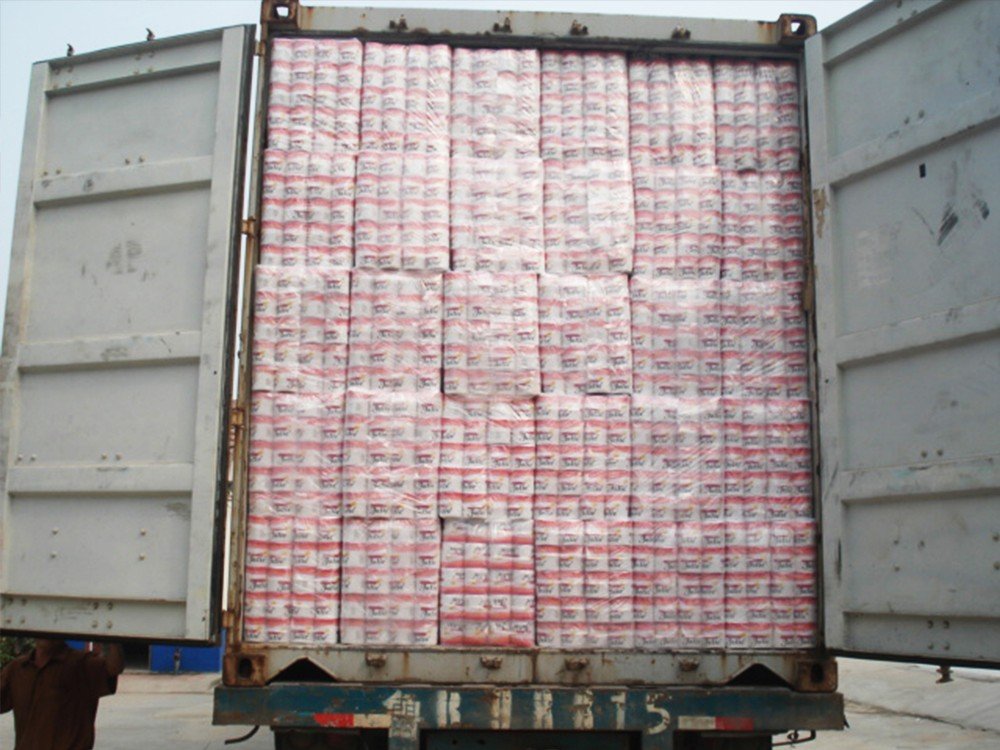
| Batch linkage | Bale tags, production logs and lot records joining container to pulp batch | Reconcile the join for sampled shipments and keep the workpapers |
| Change control | Written notice before any furnish change, new pulp mill or recycled-content addition | Require re-verification before the affected batch ships whenever a claim depends on it |
Ask which model the mill can operate under, then require the matching paperwork: certificate number with a current scope covering the converting site and product group, transaction records for your batches, and bale or batch tags traceable from container back to pulp mill. The honest boundary: this factory’s own documents are furnish and batch records, not certificates it does not hold; any chain-of-custody status a supplier cites belongs checked by you in the scheme’s public database.
Verification Without the Commercial Leak
Three routes, ascending cost. One: your own paper-and-certificate audit, reconciling volunteered purchase records against public certificate scopes — adequate for low-risk programs, weak once a compliance team asks who else looked. Two: a designated third party (certification body’s verification arm or counsel) reviews originals under the confidentiality clause and issues a short report naming mills, countries, covered percentage, claim model, exceptions; this is what most mid-market European buyers accept. Three: an on-site audit reaching the pulp supplier, reserved for premium programs.
Write the audit trigger and a change-control rule into the purchase order: any furnish change, a new pulp mill or a recycled-content addition requires written notice and, where the claim depends on it, re-verification before the batch ships. A furnish swap months after a verified audit is the classic silent traceability failure; the only defense is a paper trail between the two events.

Two Directions of Paper, One Request
An importer’s fiber file has to survive two paperwork systems at once. The EU side asks for geolocation and country-of-production legality evidence for the raw material, not the converter’s purchase invoices. What you need from the mill is only the join: pulp producer name, mill country, certification status, and batch records proving the pulp inside your container is the pulp inside their logs. Ask for the join, not the ledger, and the request clears the factory’s own compliance review faster.
The same batch join already carries your recall-readiness evidence and sits one shelf away from the origin paperwork chain you assemble for duty purposes. Furnish traceability requested alongside lot traceability is one conversation with the same quality manager, not two audits.
Priced Like a Specification, Not Like a Moral Debate
Expect the factory to price any of this: certificate accounting, segregated slots, extra paperwork per order. It belongs in the same negotiation as board weight and packaging, because the same numbers feed both.
Three moves keep the price sane: ask for verification against documents the supply chain already produces rather than bespoke paperwork; batch fiber requests into the documentation cycle you already run; and pay for segregation only where a certified claim will actually be printed and audited, using controlled-wood or credit accounting for the rest of the range. Fiber documentation priced at contract stage is a design decision; rebuilt after a compliance email arrives, it is a repair job at double cost.
Frequently Asked Questions
Is tissue actually in scope of the EU Deforestation Regulation?
Paper and paperboard products sit inside the wood commodity family the regulation covers, tissue headings included. Confirm the classification of each SKU with your customs broker and read the current consolidated text on EUR-Lex before making promises to buyers, because the application timetable has been revised during the transition period and secondary sources go stale fast.
What if the factory will not agree to any auditor access?
Treat it as a sourcing decision, not an audit problem. A converter that rejects confidential verification cannot support a defensible due-diligence file, which eventually makes it unable to serve the buyers you want. Move the program to a factory that already keeps furnish and batch records and can disclose them to a designated auditor, even at a higher unit cost, rather than rebuilding your compliance around refusals.
Does FSC certification of the pulp supplier alone answer the retailer?
No. Certification supports the evidence file, but the due-diligence duty sits with the operator placing the goods on the EU market. The certificate must cover the chain to your finished tissue, the certified site’s scope must match the product you buy, and the claim on pack must match the model, segregation, controlled wood or credit accounting. A supplier certificate with no batch linkage into your converter’s records is still an unverified statement.
Does a 100 percent virgin pulp claim help the EUDR file?
Partially. Virgin fiber is a product specification, and this factory’s specification sheet records 100 percent virgin wood pulp with no recycled filler across the tissue range, which narrows the traceability question to a defined list of pulp mills. It does not by itself prove the fiber did not come from land deforested after the cut-off date. That proof needs geolocation and legality evidence held upstream by the pulp producer, which the importer assembles into the statement.