Short answer: UK retail packaging questionnaires no longer ask whether your tissue packaging is “recyclable”; they ask you to itemize every component of the pack, state its material category and weight, give a recyclability rating, and supply artwork that matches a recognized on-pack label. If you import private-label tissue into the UK in volume, the supermarket is asking because the law made you a packaging producer with reporting duties, and their audit of you protects their own. The deliverable is a packaging bill of materials mapped to EPR material categories, weights per component per SKU, a recyclability note, and a label decision, all sourced from your Chinese mill’s artwork and carton specifications.
Why the Packaging Questionnaire Became a Deliverable, Not a Formality
Extended producer responsibility for packaging in the UK “shifts the end-of-life costs of household packaging waste” onto businesses that place packaging on the market, and it reaches you “if you supply or import packaging or packaged goods.” That line is why a tissue importer who has never touched a recycling plant now gets a compliance spreadsheet from a buyer. Retail teams read it closely, because a supermarket’s filing collapses when supplier numbers do not reconcile. The official EPR for packaging guidance collection is where a buyer expects you to have been.
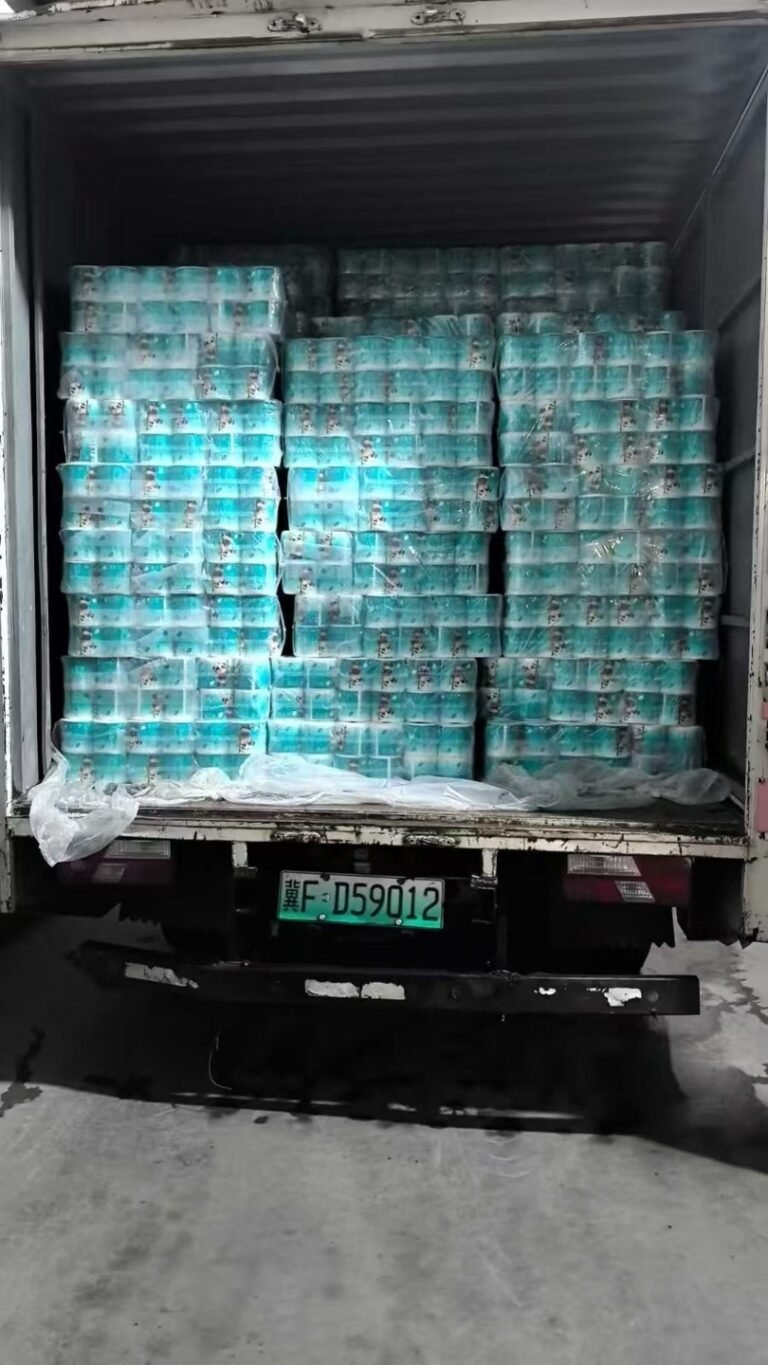
When a UK chain asks UK packaging EPR tissue importers for “EPR data,” it usually means four artifacts: a component-level bill of materials, weights per material category by SKU, a recyclability assessment, and the on-pack label you intend to print. Tissue multipacks and facial tissue cartons look trivial yet carry real reporting weight: wrap, printed carton, tear tape, adhesive, pallet film and inner bags all count, each in a different category.
Your Mill Specification Sheet Already Hides Most of the Bill of Materials
Start by asking your converter or carton supplier for the packaging specification sheet they use to quote you. That sheet already carries most of the EPR answer: board grade and grammage for the master carton, film thickness and resin type for the poly wrap, ink coverage, adhesive type, and units per pack and per case. What it omits is the piece-weight split, the number a compliance file wants; the sheet was written for costing, not for a return, so read across it rather than filing it as-is.
Convert each line into four fields: component name, material expressed as an EPR category, weight per unit, and weight per case. Two habits cause most disputes: quoting board at a nominal grammage when reels vary between lots, and forgetting unowned components like the punched handle off a facial tissue box lid, the same board as the carton but arriving as loose paper. The fix is to have the factory ship one unfilled pack set per SKU, weigh every component, photograph the weighing, and freeze the numbers into artwork approval. That turns the sample lock before production into compliance evidence at no extra cost.

Mapping Every Pack Component to an EPR Material Category
Large producers report by defined material categories, and the government’s list is explicit: the categories are aluminium, fibre-based composite, glass, paper or card, plastic, steel, wood, and other, with weight “in kilograms” and components reported “separately” unless integrated. Translate each physical part of the pack into one heading and decide who holds the authoritative weight record.
| Pack component (tissue) | EPR material category | Who holds the weight record |
|---|---|---|
| Printed outer / master carton | Paper or card | Mill carton spec sheet, locked at artwork approval |
| Polyethylene shrink wrap / outer sleeve | Plastic | Film supplier gauge + importer weighed sample |
| Inner poly bags (facial tissue) | Plastic | Mill spec, verified by importer on receipt |
| Tear tape and adhesive labels | Plastic | Importer weighed sample per SKU |
| Wooden pallet and corner boards | Wood | Both: mill load plan + importer tally |
| Printed artwork insert | Paper or card | Importer weighed sample per SKU |
Two columns are the ones auditors open first. If the tear tape is a different polymer than the wrap, they go on separate lines. The “who holds the record” column is your protection: a figure survives a query only if someone can produce the scale photo or spec line behind it.
Weights, Records and the Reporting Rhythm
Under the scheme, large producers “register with your environmental regulator each year”, “report packaging data every 6 months”, “submit a certificate of compliance” annually, and pay a waste disposal fee for household packaging. Small producers “renew your registration by 1 April each year” and “report your packaging data by 1 April each year.” Which rhythm you sit on depends on the tonnage you handle and your turnover, so confirm your producer size before copying a colleague’s calendar. The report-packaging-data guidance is where the file format and periodicity live.
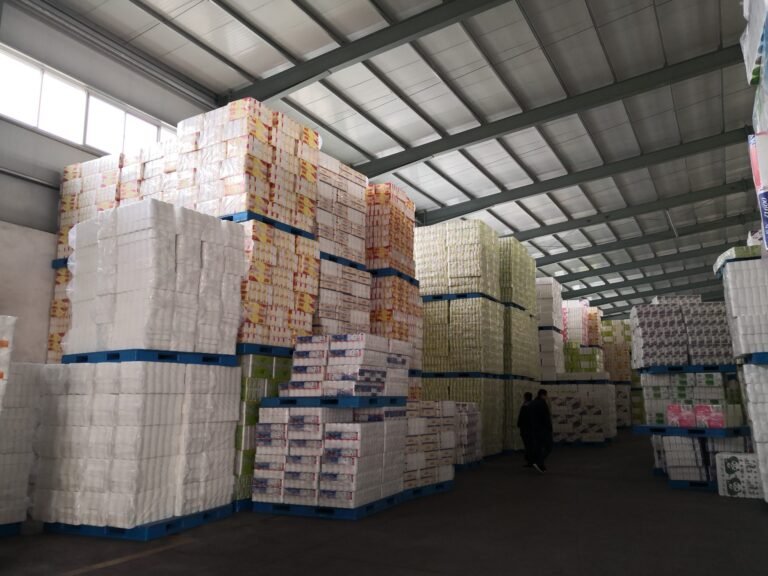
Your records must show, for every period, which SKUs were loaded, the weight of each material, and what happened to the packaging after sale, traceable from a pallet tally back to a line in the return. Most importers build a register: quantity by SKU times component weight from the bill of materials, exported into the filing. The failure mode is not arithmetic but drift. A carton supplier quietly moves to a lighter board, the piece weight falls, and your filed data now overstates. Add a clause requiring the supplier to notify any component-weight change beyond a stated tolerance, and make the packing list carry carton tare data so receiving catches drift at the dock. The same packing documents that reconcile short shipments already travel with your container; one weight column closes the audit loop.
Recyclability Ratings and What Pushes a Tissue Pack Off Green
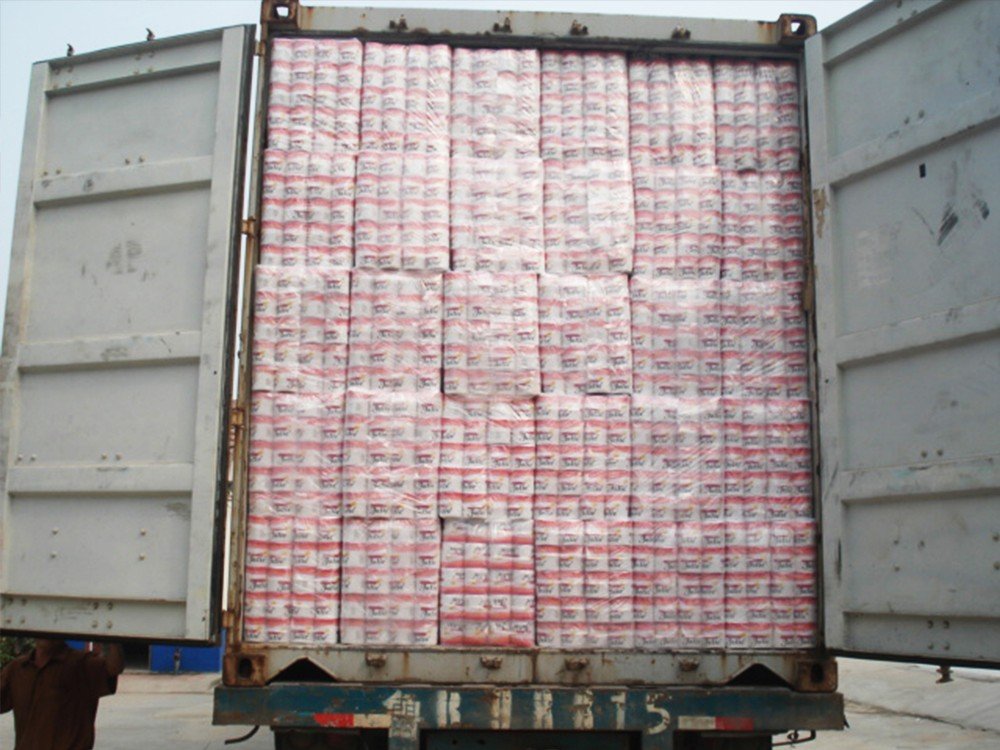
UK retailers increasingly use a recyclability assessment methodology to rate packaging red, amber, or green. Tissue sits in an awkward middle. The carton alone is a green candidate, but the rating scores the whole sales unit: a facial tissue multipack of paper boxes shrink-wrapped in polyethylene is judged as the pack a consumer throws away, and film plus a printed carton not separated at kerbside often lands amber. The amber drivers you control at artwork stage are metallized or heavy-coverage inks near the fold, carbon-black film optical sorting cannot detect, paper labels glued across the film path, a tear tape of a different polymer than the main film, and laminated rather than mono-polyolefin inner bags.
Two changes recover most of the rating: a mono-material PE or PP wrap with detectable ink coverage, and carton print kept below the coverage level for your kerbside stream. The on-pack label, a Recycle Now / OPRL-style instruction, is a scheme decision rather than a statutory EPR line, so read OPRL’s own guidance before printing and match the label to what you told the questionnaire. A green rating you cannot back with the pack you ship is worse than an honest amber.
The Plastic-Packaging-Tax Corner of the Same Conversation
Buyers bundle the UK Plastic Packaging Tax into the same questionnaire. The tax targets plastic components with less than the recycled-plastic content set out in HMRC’s Plastic Packaging Tax guidance, and liability generally follows whoever manufactures or imports the packaging into the UK, often you rather than the mill. Because the rate and threshold move over time, read HMRC’s guidance directly rather than trusting a figure from an old email.
Two honest positions exist. State zero recycled content and let the film be priced in, or require recycled-content evidence from the film supplier: purchase-chain documents, a mass-balance statement, and batch-linked declarations. The worst position is a claim you cannot document, because film sold as “recycled-looking” virgin material is exactly the misdeclaration tax checks pursue. Ask your wrap supplier in writing which they are and file that answer, not a hope; if it changes your landed economics, it belongs in the same cost review where you already track film, freight and duty.
What the Chinese Mill Can Supply, and What Only You Can File
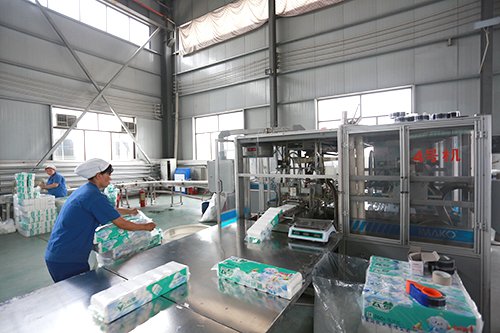
Be realistic about the factory’s side. A well-run Baoding tissue mill can supply component weights, board specification, film gauge and resin identity, print coverage, and artwork files, because those figures already exist in their QC and costing sheets. The mill cannot register you, file your return, decide your label, or sign your recyclability claim, because those are not production acts but placement on the UK market, your territory as importer. The clean split is a one-page data request before artwork approval: a component table with weights, material categories and ink coverage, plus a photo of a weighed sample per SKU. Package it with the certification and QC report set that travels with each batch, so every container refreshes the same file.
Once that table is a standing deliverable, the questionnaire becomes copy-paste, not a fire drill. The mill is the source; you are the producer. For a private-label UK line, the buyer resources library at Top Source Paper buyer resources collects the specification and documentation templates this workflow leans on.

Frequently Asked Questions
Am I a packaging producer if I only import finished tissue?
Importing goods in packaging is one of the activities that creates producer obligations under the UK system, so many private-label tissue importers are obligated businesses. Whether you must register and report depends on the tonnage of packaging you handle and your turnover, both defined in the government guidance, so check your own position there rather than assuming a competitor’s answer fits your volume.
Can the Chinese factory file my EPR return for me?
No. The mill can supply the data that makes the return answerable, such as component weights, material categories, and board and film specifications, but registering, filing, paying where a fee applies, and signing the recyclability or label claim all belong to the UK-market entity, which is normally you as the importer.
How accurate do the component weights need to be?
Accurate enough that a verifier can trace each figure back to a weighed sample, not down to the last decimal. Freeze a weighing set per SKU at artwork approval, and require your supplier to notify you when a real production weight moves beyond your stated tolerance. That combination stands up to an audit; vague nominal numbers do not.
How often do I have to report packaging data each year?
Large producers register with their environmental regulator each year, submit packaging data every six months, and provide a certificate of compliance annually; small producers renew registration and report once a year, by 1 April. Your exact deadlines follow from your producer size and your regulator, so confirm them in the official guidance before you rely on any calendar copied from a colleague.