Short answer: a washroom paper supply tender is not a larger quote request. It is a document set, and unit price is one scored line inside it. Spot buying never raises a quantity baseline bidders must price into, a specification that blocks substitution, a delivery topology with twenty destinations instead of one port, or a credit schedule with an exit. The award mechanics behind those are on our tissue supplier comparison scorecard page and assumed here.
What a Washroom Paper Supply Tender Changes
| Tender document | Who prepares it | What a scoring buyer checks |
|---|---|---|
| Instructions and pricing schedule | Buyer | One normalised unit and one delivery event per line, no free choice of Incoterm |
| Quantity baseline | Buyer, from its own requisitions | Units normalised, contractor volume carved out |
| Specification schedule | Buyer, against installed fixtures | Tolerances with a measurement method, reference sample, test of equivalence |
| Lot structure and terms annex | Buyer and legal | Lots sized for the packaging tier they demand; credit cap, price basis, exit |
Spot buying is a conversation: you send a spec, three mills reply, you order. A tender is a filing: the buyer fixes quantity, paper, delivery point, the consequence of a miss and the ending before any bid arrives. Public procurement calls the winner the most economically advantageous tender; private buyers run the same logic without the statute; where a rule binds you, the reading is yours to do, not a mill’s to certify. For the buyer the consequence is that leverage moves earlier in the calendar: whatever you leave unwritten in the pack you renegotiate at the first missed delivery, from a weaker position.
The Bid Baseline Is Your Own History, Normalised
Nobody outside your organisation can produce the tender quantity, and no mill should be trusted when it volunteers one. Pull twelve to twenty-four months of requisitions and goods-received notes by site. The fields are yours alone, being consumption data rather than product data: units issued per site per period, the format in each dispenser, what a cleaning contractor supplies inside its service line, and any vacancy that makes last year a bad forecast. Vendor per-occupant averages describe somebody else’s building.
Then normalise, because raw requisitions share no unit: cases, loose rolls, kilogrammes of parent reel and packs booked by the thousand sheets are four quantities. Declare one unit, publish the conversion factors including the rolls-per-carton assumed, and let q be a site’s normalised annual units across u sites, so your baseline B is their sum adjusted for contractor volume and occupancy. Skip the normalisation and a bidder undercuts you by pricing a smaller pack into a line you read as larger.
Two habits decide whether that number survives contact with the bidders. Take a typical period rather than a total: for each site use the median of the last twelve monthly issues and flag the months distorted by an event, a refit or a contractor’s one-off bulk order, because an average dragged up by three spike months becomes a volume you must release. Then adjust for the estate you will actually serve rather than the one you measured, since replaced fixtures, opened and closed buildings and changed cleaning frequencies all move the requirement. State each adjustment as its own line and invite bidders to challenge it in writing before they price it; a baseline nobody was allowed to question simply gets repriced in the first variation.
The Specification That Survives Substitution
A mill publishes bands: standard toilet paper in one to three plies at 13 to 18 GSM, cored or coreless, edge-embossed, water-soluble; jumbo lavatory rolls at 18 to 28 cm diameter in two or three plies on long-fibre, high-tensile stock; the portfolio across 13 to 45 GSM, listed on the jumbo toilet paper page. A band cannot define your lot: copy a marketing range onto the sheet and every bidder complies.
The fields that decide whether the arriving paper matches the scored paper are yours on the purchase order, not published as factory standards: metres or sheets per roll and how each is measured, core inner diameter, plies, rolls per carton, and the dispenser the roll must clear. So draft the substitution clause first: state tolerance and method together, hold a sealed approval sample that production goods are matched against, and if you allow an equivalent, name the proving tests and require written approval before the change ships.
How a Washroom Paper Supply Tender Is Split Into Lots
How you cut the requirement decides who can price it. One lot is the cheapest award to administer and the most fragile to run, because a single supplier then holds every washroom and a bad quarter has nowhere to go. Split by format – jumbo paper, hand towel, napkins, facial tissue – and a converter strong at one line bids only that; split by region and a distributor with trucks in your north can bid that lot.
Keep qualification and award apart, because blurring them is how real converters get screened out. Qualification decides who may bid, so write it around things a producing plant can show: the port it loads from, the container tiers it will commit to, a fibre or physical-indicator report for the exact SKU, and an export reference you can verify. Do not write it around turnover floors that only intermediaries clear. Award decides who wins, and publishing it before the envelopes open is what lets bidders price to it rather than guess. Add one defensive right while the document is open: to demand a written justification of any bid that looks abnormally low, which most procurement rule sets recognise in some form, and to reject the bid if the explanation does not survive the specification and delivery tests elsewhere in the pack.
Packaging is a lot-sizing question, and cross-border a container-tier one: plain or white-label goods consolidate from a 20GP, while a custom-printed carton and a custom-printed outer PE sleeve both sit at the 1×40’HQ tier. Slice a lot too thin for a branded pack to fill a 40’HQ and both answers cost you. A framework releases orders call-off by call-off against agreed rates, drafted on our volume discounts and call-off page, and a dual award keeps two prices live at the cost of one print commitment per supplier.
Delivery Topology: To Site, To Depot, or Collected
Three models, three different bids. Delivered-to-site puts goods at each building or depot on your timetable, with freight in the price per stop rather than per voyage. Delivered-to-DC stops at your receiving door and leaves the last part to your network. Buyer-collected means you book the carriage and carry the slot risk while the mill delivers to the port: goods here move out of Tianjin Xingang under FOB, CIF, CFR or EXW.
Those numbers are not comparable as quoted. An FOB figure excludes freight, insurance, clearance, inland haulage and the appointment, while a delivered figure buries all five; restating each bid onto one delivery event and one unit is the job of our Incoterms guide. Nor does the price line move the compliance line: customs entry and the importer-of-record record sit with whoever imports, so check destination rules with your own broker and a public source such as US Customs and Border Protection, while laytime and demurrage follow whoever books the slot.
Service Levels and Credits a Paper Contract Can Measure
A washroom KPI has to survive being argued about at seven in the morning on a delivery day. Four measures carry weight: on-time against a defined event, meaning receipted at a named place in a named window rather than a hoped-for date; fill rate line by line against the released order, because early and short is still a failure; substitution rate, counting any unapproved change of pack or format; and time to a written answer with a name on it.
Credits are not the retailer chargebacks importers already fight. An on-time-in-full deduction from a customer is billed per carton on someone else’s scorecard, and defending it is timeline reconstruction, covered on our OTIF penalties page. A service credit inside your agreement is negotiated, capped, evidenced both ways and netted off the next invoice, so define trigger, abatement, cap and escalation on a pattern rather than one miss. And be careful what you bind a converting mill to: it controls production windows, packing and sealing, not your port congestion or the vans serving thirty sites.
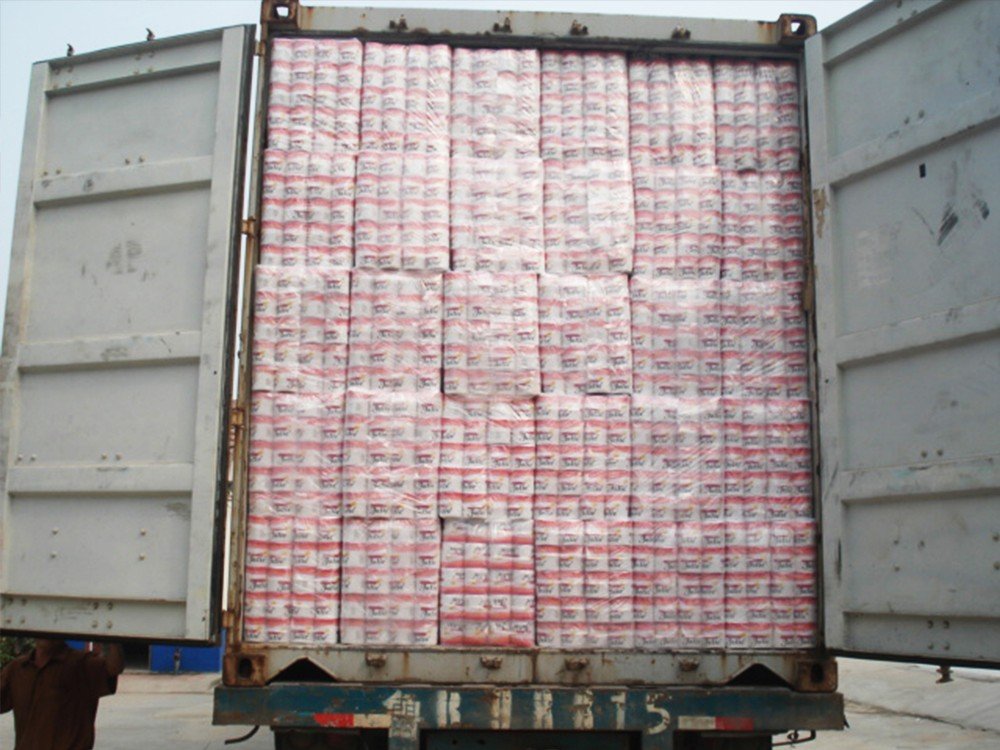
No credit survives an argument without a record made in advance, so let the tender name the paperwork that travels with each shipment: packing and loading photographs taken against the carton specification, the quality report and the container-seal confirmation, and a count taken at your door. Then require a substitution register, one line per unapproved change of pack, format or core, with the date, the site and the price billed for the item actually delivered. Review that register monthly with whoever signs the invoice, because an unread register is how a two-roll change in a carton becomes the new normal by the second quarter.
Trial, Exit and Step-In: Test the Bidder Before the Estate
A trial lot is the cheapest insurance in the pack. Award a handful of sites and score them on the measures you will use for the estate. Size the window against the cadence you want to observe, not the calendar quarter, using published lead times as the yardstick: ours are samples in 1 to 3 working days, a first production run of 25 to 30 working days including packaging tooling and outer-carton printing, reorders at 20 to 25. A trial shorter than one reorder cycle tests nothing but the sample you approved.
Two clauses give it teeth. An approval-sample lock holds a sealed shipment sample signed by both sides, with production goods matched to it. The price basis decides whether the deal survives month seven: asking a supplier to hold price flat for twelve months buys a hedge already priced into the opening rate, since fibre, freight and exchange all move. The split – conversion, packing and margin fixed, fibre indexed to a named benchmark – is drafted on our pulp price increase audit page. Write the exit at the same time, because afterwards you negotiate from inside: notice, priced transition assistance, handback of unissued branded cartons, artwork and plate ownership, and step-in rights you will rarely use on a shared line.
How a Low Bid Recovers Its Margin After Award
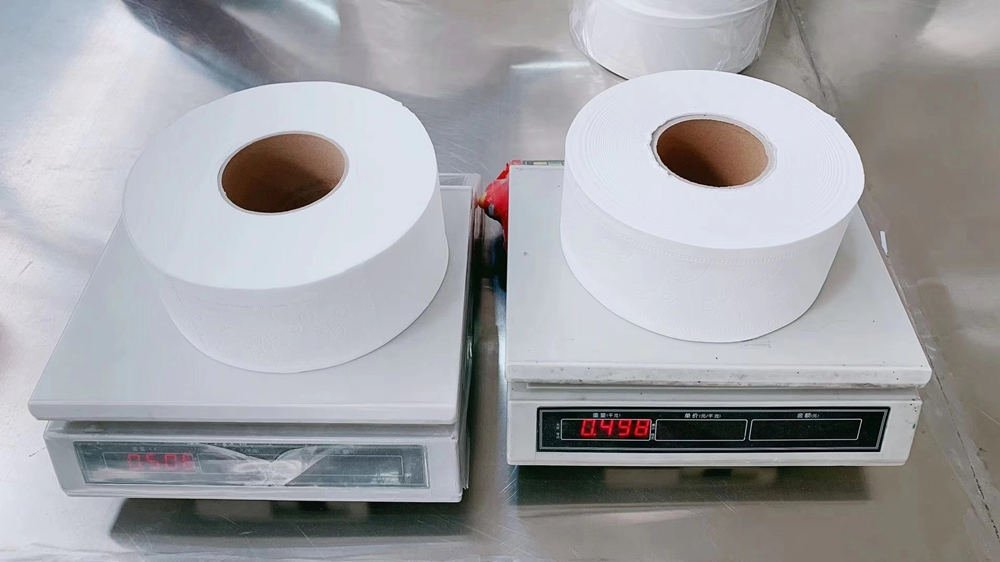
No bidder loses money on purpose; the loss comes back later, and in paper it travels through the pack rather than the invoice. The roll shortens while the roll price holds, noticed only when somebody weighs a carton. Carton content drops by a roll or two while the case price holds, so your per-case figure is unchanged and your per-roll cost has moved. Charges inside the bid price then reappear as line items: tooling, cartons, inspection.
Detection is routine. Weigh and count at receiving against the reference sample and the packing list, reconcile invoice to packing list to goods-received note, and reserve a mid-term audit right on the specification. Ask for photographs of the load: moisture-proof master cartons, fumigation-free pallets, strapping and a sealed container are the price of this trade.
Two questions expose the rest. Have each bidder state the metreage, core, rolls per carton and carton dimensions of the line it priced, then name which it intends to change during the term: four numbers plus a commitment is a different answer from a price. Then ask what sits inside that rate in month thirteen and what it would re-quote; anything beyond fibre and freight that moves is margin paid for twice.

Frequently Asked Questions
What documents make up a washroom paper supply tender?
Seven: a pricing schedule fixing the unit and the delivery event; a quantity baseline from your own requisitions; a specification schedule with tolerances and methods; the lot structure and award basis; an agreement covering credits, price basis and exit; a sample and test protocol; and a bidder evidence pack of fibre reports, packing photographs, port of loading and production cadence.
How do I stop a bidder substituting a shorter or thinner roll?
Write the specification as a test rather than a description. State metreage or sheet count, ply, grammage where the mill publishes it, core inner diameter, rolls per carton and carton dimensions, each with a tolerance and a method. Hold a sealed approval sample signed by both sides, and require written approval before any change ships.
Are delivered-to-site and delivered-to-DC bids comparable?
Not as quoted, and that is where tender scoring usually fails. Delivered-to-site prices carry the last mile per stop, delivered-to-DC stops at your receiving door, and a collected bid leaves freight, slot availability and customs entry with the buyer. Restate every bid onto one delivery event and one unit.
Should a paper tender fix the price for the whole contract term?
A blanket lock is usually the wrong instrument for tissue. A supplier asked to absorb twelve months of fibre, freight and currency movement prices that risk into its opening rate, so you pay for the hedge either way. Fix conversion, packing and margin for the term and let fibre move against a named benchmark.