When a European Grocer Asks Your Tissue Factory for Water and Energy Data: What a Chinese Converter Can Actually Produce
Short answer: the request is usually a supplier ESG questionnaire feeding the retailer’s own footprint and claims, not a court order, and a mid-size tissue converter can build a credible first-year pack even with no historical records by starting at the meters it already has and the invoices it already receives. The pack separates three things buyers constantly conflate: what the converting site consumes, what the parent-reel mill contributes, and what belongs to your specific SKU. A converter who reports site energy and water directly, flags the paper-mill share as the dominant footprint, and adds an honest method note will satisfy most questionnaires this year; one who invents a neat product carbon number without the mill’s cooperation will fail the first audit that checks it.
Read the Questionnaire for What It Is Really Asking
Before you push the request back to a factory that has never completed one, decode it. A European grocery buyer’s supplier sustainability questionnaire is doing three jobs at once: feeding the retailer’s own Scope 3 emissions accounting, screening supplier physical and transition risk, and backing any green claim the retailer intends to print. That triple purpose explains the shape of the questions, which circle energy and emissions, water, waste, environmental management systems, fibre sourcing and packaging. It also explains the trap. A converter answering “what is your carbon footprint” with one number either under-reports by only counting the factory, or over-promises by claiming a full product footprint it cannot verify. The professional reply separates the layers explicitly, because that is how the accounting frameworks themselves are built, as the Greenhouse Gas Protocol, the near-universal basis for these questionnaires, defines them.
Layer One, What the Converting Site Can Report This Year
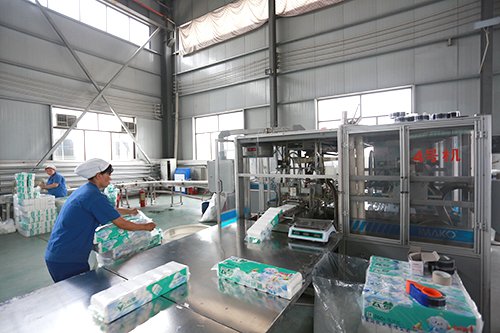
Everything at the converter’s own gates is directly measurable and mostly already exists as a bill. Purchased electricity in kilowatt-hours from the grid invoice; any on-site generation, solar rooftop included, with its meter reading; natural gas, coal, diesel, LPG and the fuel burned in site vehicles, which together form Scope 1; the purchased electricity that forms Scope 2; and, where the factory has it, an energy-management system to point at. The two numbers buyers actually want are the total annual consumption and the intensity, energy per tonne of finished product, because the intensity figure is what lets them compare a Baoding converter to a Polish one and track a supplier’s trajectory year over year. The most common mistake is sending a bare percentage claim, “we cut energy eleven percent,” with no denominator; that reads as marketing, not data, and it forces the buyer’s analyst to ask for the underlying consumption and production figures anyway.
Water is where a converter can be honest and unembarrassed. Tissue converting is not a water-intensive process the way a pulp or paper mill is; most of the water at a converting site is sanitation, cleaning and, if present, a small humidification loop. So report what is real: water withdrawn and its source, municipal supply versus any borehole, water discharged and where it goes, any recirculation, and the intensity in cubic metres per tonne. Distinguishing withdrawal from discharge from consumption is the detail that signals a competent respondent, because a single ambiguous “water use” line is exactly what a scrutinising buyer marks down. Where the buyer wants context on physical water risk, the open WRI Aqueduct water-risk tool is the neutral reference both sides can look at rather than argue about.
Layer Two, the Paper-Mill Share You Cannot Ignore
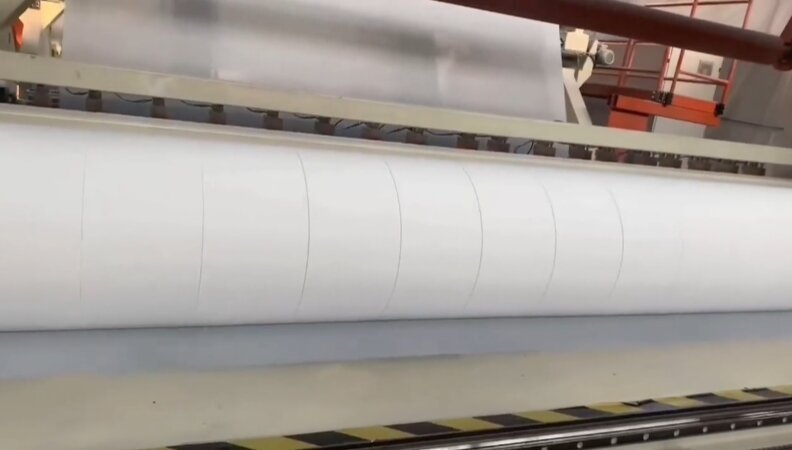
Here is the part of the request a converter cannot satisfy alone and should not pretend to: the largest slice of a tissue product’s footprint is made upstream, pulping and forming the parent reel, not embossing and packing it at the converting plant. If the buyer wants a product-level carbon figure, the mill’s energy mix, its chemical recovery and its fibre origin dominate the answer. The right move is to tell the buyer plainly which numbers come from the converter’s own site and which require the parent-reel mill’s data, then request that data from your own suppliers, ideally the mills you can name and document, the same fibre-traceability discipline covered in the guide to getting EUDR-grade fibre traceability out of a factory. Where the mill will not share primary data, use a published sector average, state that you used an average, and keep the boundary visible. A defensible estimate with a stated method always beats a precise-looking figure with no method, because the first real audit tests the method, not the decimal places.
This is also where the fibre story and the footprint story meet. A buyer asking for water and energy data on a recycled-content range is often, underneath, probing whether the environmental claims on the pack are real, which is why the same evidence that supports a fibre composition statement supports the footprint. The comparison of virgin versus recycled parent rolls is the product-side twin of this question: the two furnish routes have different energy, water and fibre-origin profiles, and an honest questionnaire answer reflects which one you actually ship.
Layer Three, Allocating to the SKU Without Overclaiming
The buyer’s last column is product-level, and it is the one importers reach for too fast. To get a usable per-pack figure you allocate the mill and converter impacts across the output, which means you need the mass or energy flow per tonne of each finished format, kitchen roll, facial tissue, and a clear statement of the boundary, cradle-to-gate, whether packaging and transport are counted, and which emission factors you applied. Present the number as what it is, screen-level or estimate, with its limits. Most first-year packs should be reported at site and product-intensity level with the upstream share flagged, and only escalated to a full product carbon footprint once the mill data is in hand, because a cradle-to-grave life-cycle assessment in twelve months without supplier cooperation is not realistic and pretending otherwise creates a figure you will have to defend later.
What Evidence Turns an Answer Into a Verifiable One
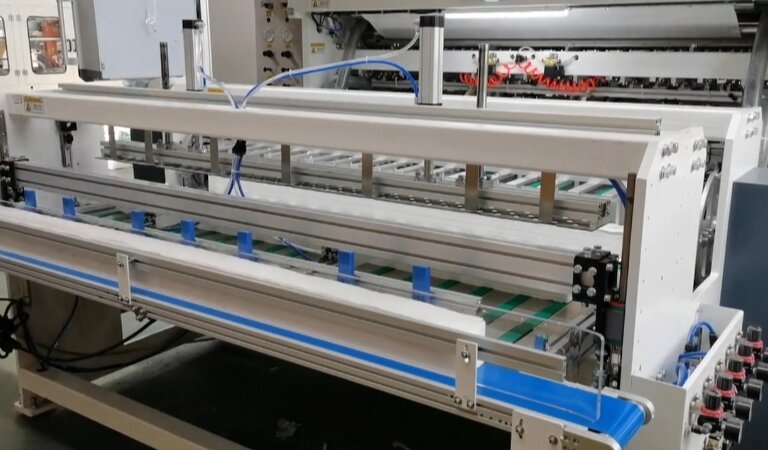
Underneath the neat table a converter should be assembling ordinary proof. Utility bills for electricity and gas over a consistent twelve-month period, not one quarter annualised by hand. A meter inventory, so the buyer can see what is actually measured versus estimated. Waste manifests and disposal routes for trim, film, cores and the small hazardous streams like inks and maintenance oils, since “we recycle” without a route is a claim, not data. Any environmental permits and discharge records. Certificates, an ISO 14001 environmental management system if held, which is exactly the kind of artefact that belongs in the standing certifications and QC report pack a serious exporter maintains. And, most valuably, a one-page method note: reporting year, boundary, emission-factor sources, what is measured versus estimated, and named gaps. That page is what converts a questionnaire response into something a buyer’s assurance team can rely on, and it is free to write.
How a Converter Should Answer a Buyer It Has Never Sent Data To
Set expectations in the cover note. Say what the first submission contains, site energy, water and waste with intensities, plus an upstream share flagged as pending mill data and the method stated. Say when the next version lands, because a buyer assessing supplier risk values a defined improvement cycle over a single polished year. Commit to keeping the same boundary year to year so the trajectory is comparable, which is precisely what the questionnaire’s intensity columns exist to capture. Then treat the whole exercise as relationship infrastructure, the way the environmental claims a retailer wants must be substantiated rather than asserted: a converter who can produce one credible, honestly-bounded data pack each year becomes the supplier a European buyer keeps, and the one whose pack quietly matches the claims already printed on the private-label pack. The factories that will not start this year will find the door closing not with a regulation, but with a questionnaire they cannot fill in.
Frequently Asked Questions
Can a tissue converter really produce a product carbon footprint for a European grocer?
Not a verified one in year one on its own, because the parent-reel mill dominates the footprint. What a converter can and should produce is honest site-level energy and water data with intensities, a clearly flagged upstream share using mill data or a stated sector average, and a written method. That satisfies most questionnaires; a precise product number without mill cooperation will not survive an audit.
What is the single number a buyer most wants?
Intensity, not a headline total: energy per tonne and water per tonne of finished product, measured against a stated reporting year and boundary. Intensity lets a buyer compare suppliers and track improvement, which is why giving only a percentage change with no denominator reads as evasion.
The factory has no records at all. Where does it start?
At the meters and invoices it already receives: pull twelve months of electricity, gas and water bills and waste manifests, note what is measured versus estimated, set a boundary and reporting year, and write the method page. A first pack that is transparently partial with a dated plan to fill the gaps outperforms a first pack that is complete-looking and invented.