Surviving a Currency Collapse as a Tissue Importer: Pricing and Terms When Your Money Slides
Short answer: when your local currency drops hard, the math that kills you is not the headline devaluation but the replacement-cost gap, because a currency that falls 60 percent can raise the cost of buying the next container by far more. The survival move is to stop pricing on historical cost and start pricing on replacement cost, shorten every credit period, and put an explicit FX clause in the supply agreement so the risk is shared at a defined band instead of landing entirely on you. None of this fixes a collapsing market; it buys the thing that keeps a distribution business alive, a price that covers the goods you have not bought yet.
Understand the Arithmetic That Is Actually Working Against You
Importers read a 60 percent devaluation and instinctively think their costs rose 60 percent. They are worse off than that, because their dollar invoice now competes with a shrinking pool of hard currency while their naira, peso or cedi revenue reprices slower on the shelf. If the rate moves from 1,500 to 2,500 to the dollar, the local cost of a ten-dollar carton rises two-thirds, not by half. Then add the scramble for scarce dollars at the bank, a premium over the official reference rate, and the inflation those import costs feed back into the whole economy. The Central Bank of Nigeria’s own published exchange-rate framework, the official CBN reference rate and its reporting on depreciation, are what a broker and a bank will actually price against; whichever reference your market uses, your job is to tie your repricing to one published number rather than to a feeling.
Reprice From Replacement Cost, and Say So Clearly
The single most important switch is conceptual: your selling price must reflect what it will cost to replace the inventory, not what you paid for the inventory you already have. That means landed cost rebuilt from the dollar invoice at the rate you can actually access, plus freight, duty, clearing, warehousing, financing and an honest FX-loss allowance, divided through to a margin the business needs to survive the next cycle. During severe volatility, publish price lists that expire in days rather than months, with a one-line trigger stating the quote assumes a named reference rate and adjusts if that rate moves beyond a stated percentage before payment or delivery. Keep the arithmetic simple enough that a customer can follow it, because a repricing a customer understands is far more defensible than one they smell as opportunism.
Shorten the Money Cycle on Both Sides
In a falling currency, selling on thirty-day credit means lending money that devalues while your replacement invoice holds firm in dollars. Move to deposits before you import, cash-before-delivery for smaller accounts, and short windows for the rest; discount for immediate payment rather than carrying broad credit. Separate your price schedule by payment terms, so cash, short credit and long credit each carry the cost of the FX risk they transfer to you. On the buy side, a 30/70 structure, deposit and balance at shipment, shrinks the period your price is exposed; write clearly whether the balance is the original dollar figure or converted at a named date. The goal is not to win on terms with every customer, it is to stop being an unsecured bank for people who are also losing to the same currency.
Put an FX Band in the Supply Agreement, Not a Prayer
A supplier who refuses to move off a firm dollar price is being commercially rational; a structure that leaves you carrying the entire currency risk can make the channel uneconomic and quietly kill the relationship that serves both of you. The balanced instrument is an adjustment band tied to the reference rate on order confirmation: absorb the first, say, ten percent yourself, share the next movement by a stated percentage, and let either side reopen unshipped volumes beyond a wider threshold. Shipped-and-paid quantities stay fixed. Keep the clause symmetric so it works when the currency rebounds, and pair it with the risk tools already in your contract: Incoterms that allocate freight and duty honestly and, if the market’s banks make payment timing a weapon, payment terms that match the reality of dollar queues rather than the calendar. Where your supplier’s costs are partly in yuan, a split-denomination invoice can track their true cost base more fairly than a pure dollar price, if it is supported by open cost data rather than used as a hidden surcharge.
Manage the Physical Book, Not Just the Numbers
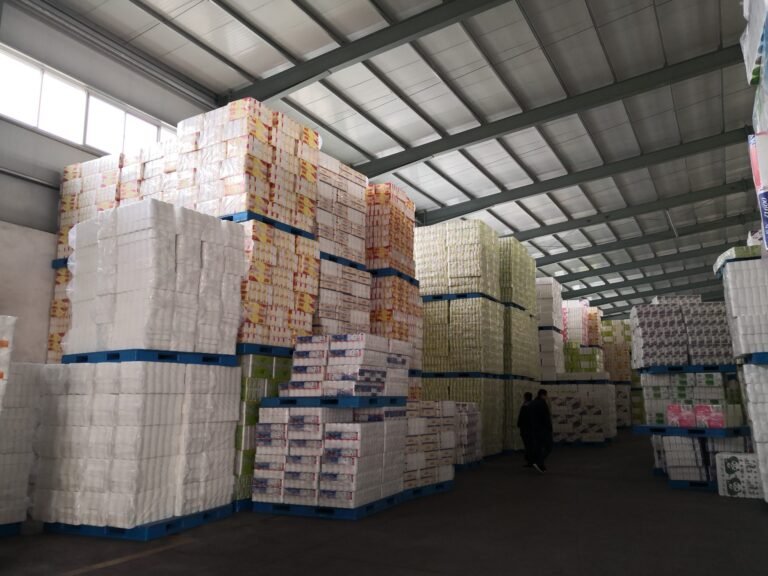
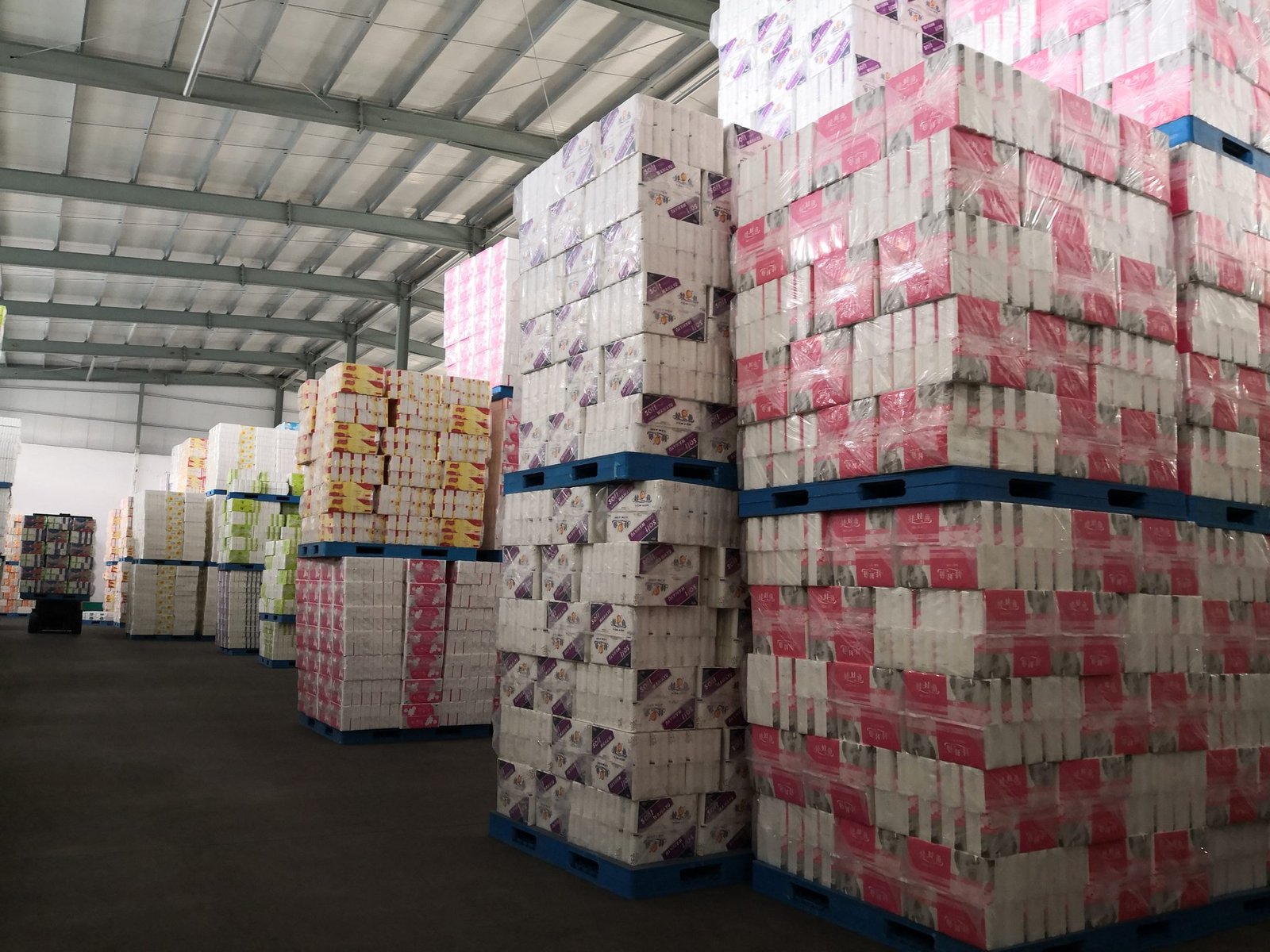
Currency survival is also warehouse discipline. The instinct to over-buy and store value in a collapsing currency is partly right and partly dangerous: stock does hold value, but tissue is bulky, storage and damage costs are real, and some SKUs stop moving once you reprice the shelf, so you can freeze expensive dollars into slow cardboard. The working rule is to hold extra only in the fastest-moving, healthiest-margin SKUs and keep the rest of the cycle short. Reconcile every inbound shipment with the same rigor you would anywhere, because in a stressed market the supplier under margin pressure is also the supplier tempted to cut sheet count or run short rolls, and a hidden spec reduction is a currency loss you did not sign up for. Protect the brands you are building too; in volatile markets, re-register or confirm the trademark status of your private label so a collapse does not invite a squatter into your own name.
Reframe the Ask When You Meet Your Supplier
Approach the factory with data, not drama: a currency chart, your landed-cost rebuild, and a specific proposal, a band, a shorter validity, a split denomination, a volume-for-concession trade. A supplier who will not discount may still accept better payment certainty, a longer commitment, or fewer SKUs in exchange for a temporary rebate. The relationship you want on the other side of the collapse is one where both sides kept a share of the risk on purpose, under terms written while everyone was still calm, rather than one that quietly renegotiated in the middle of the storm and each decided the other cheated.
Where to Keep the Dollars, and What a Hedge Can and Cannot Fix
A currency collapse is also a cash-location problem, and importers who survive it usually have a lawful place to hold hard currency and a way to time when they convert. Where the rules of your market allow, a foreign-currency account or a documented offshore position lets you pay the dollar supplier without a frantic scramble for scarce notes at settlement, which is when the parallel-market premium bites hardest. Treat that as working-capital infrastructure, not speculation; the aim is to buy the next container at a predictable rate rather than a panic rate. Forward contracts and simple bank hedges can lock a rate for a dated invoice, and for a committed monthly volume that certainty is worth paying for. Know their ceiling, though: a hedge fixes the rate for the amount and date you guessed, and if demand or the vessel slips you are either unwinding at a cost or over-hedged into a business that shrank. During a collapse the practical hierarchy is shorter credit cycles and frequent repricing first, an FX band in the supply contract second, and a financial hedge only on volumes you are genuinely sure about, applied by someone who understands the instrument rather than a salesperson promising to fix volatility.
Reprice the Shelf Without Breaking the Customer
On the sell side, a collapsing currency forces a hard truth onto a shelf that has been trained on stable prices. The mistake is a single large jump after months of holding; the durable move is a series of visible, explained adjustments tied to the published reference rate, with the arithmetic on the price card or the trade sheet. Where a customer cannot absorb a full pass-through, change the package rather than the per-unit price, a slightly smaller roll count or a different core, so the effective cost per sheet rises in steps that read as a size change, not gouging. Protect the shelf relationship with data, because necessity tissue competes on availability and trust as much as price, and a distributor who explains why the carton cost more and how they are managing it keeps the account through the cycle. That same clarity is what you asked of your supplier in the FX clause, and what keeps a replacement-cost price from looking, to everyone downstream, like opportunism.
Frequently Asked Questions
Should I hold more dollar stock when my currency is crashing?
Only in your fastest-moving, best-margin SKUs, and only while your storage and damage costs stay sane. Blanket over-buying freezes scarce dollars into slow cartons and raises the cost of the very clearance you need; short cycles with targeted buffer beats one big speculative purchase.
Is it fair to reprice customers weekly during volatility?
It is the honest answer to replacement-cost pricing. What destroys trust is not frequent repricing, it is opaque repricing; publish the reference rate your quote assumes and the trigger for change, and customers who buy necessity goods will forgive a moving price far more readily than a hidden one.
What is the most common contract mistake importers make in a collapse?
Leaving the dollar price firm with no band and the currency risk entirely on the buyer. A single clause tying adjustment to a named reference rate at a stated threshold protects both sides’ continuity and costs almost nothing when rates are calm.