
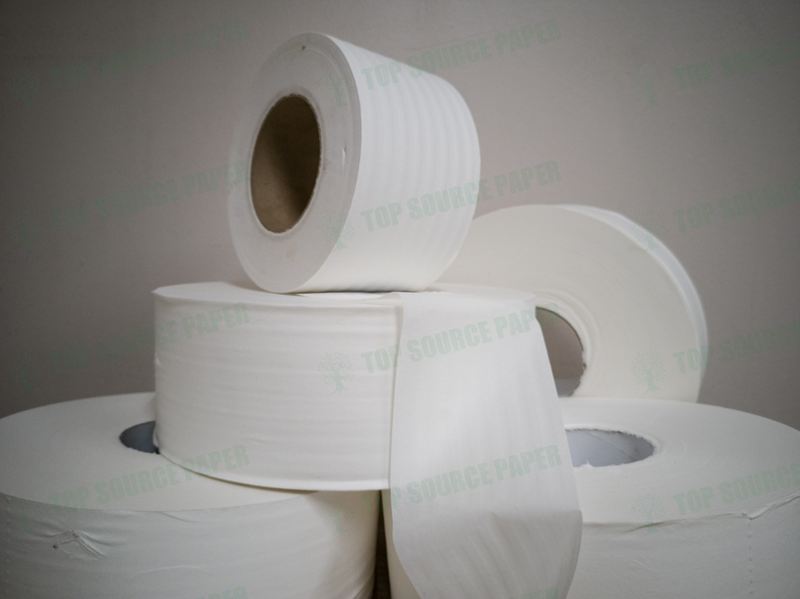
Nothing disrupts restroom maintenance like a jammed jumbo roll tissue dispenser. When tissues tear or get stuck, it creates frustration for users and extra work for cleaning staff—often leading to complaints and unnecessary downtime.
At Top Source Paper, we’ve helped hundreds of facilities solve these common issues through quality materials and proper dispenser care. This guide breaks down the most frequent jumbo roll tissue problems—from jamming to premature tearing—and provides actionable fixes to keep your operations running smoothly.
Whether you’re dealing with misaligned rolls, worn mechanisms, or poor-quality tissue, we’ll show you how to troubleshoot like a pro and implement preventative measures that reduce service calls and improve user satisfaction.
Identifying Common Jumbo Roll Tissue Problems
Jumbo roll tissue systems are a staple in commercial and public restrooms, but they often come with their fair share of headaches. From tissue jamming to paper tearing, these issues can lead to wasted resources, frustrated users, and increased maintenance costs. Let’s break down the most common problems and how to tackle them head-on.
Tissue Jamming: Causes and Initial Symptoms
Nothing’s worse than a dispenser that just won’t cooperate. Tissue jamming usually happens when the roll isn’t loaded correctly or the dispenser mechanism is misaligned. You might notice the tissue coming out in uneven chunks or the roll refusing to turn. “Ain’t nobody got time for that”—especially in a busy restroom. To fix this, check the roll alignment and ensure the tension settings are adjusted properly. Regular cleaning of the dispenser can also prevent buildup that leads to jams.
Paper Tearing: Identifying the Reasons Behind Frequent Tears
If your jumbo roll tissue tears more often than it should, the culprit could be low-quality paper or improper dispenser settings. Thin or brittle tissue is more prone to tearing, especially in high-traffic areas. Look for tissue with higher tensile strength and adjust the dispenser’s feed mechanism to reduce strain on the paper. This small change can save you a ton of wasted tissue and keep users happy.
Dispenser Malfunctions: Recognizing Common Mechanical Issues
Dispensers can wear out over time, leading to issues like uneven feeding or complete failure. Common culprits include worn-out gears, loose springs, or damaged housing. Regular inspections and timely replacements of worn parts can keep your dispensers running smoothly. Pro tip: Opt for dispensers with metal components—they last longer than plastic ones.
User Complaints: Understanding Recurring Feedback and Concerns
User complaints often highlight underlying issues that aren’t immediately obvious. Frequent comments about hard-to-pull tissue or dispensers being “too fussy” might point to tension settings that are too tight. Listening to feedback and making small adjustments can go a long way in improving user satisfaction and reducing waste.
Jumbo Roll Tissue Troubleshooting: Quick Fixes
| Issue | Possible Cause | Quick Fix | Long-Term Solution | Cost Impact |
|---|---|---|---|---|
| Tissue Jamming | Misaligned roll or dirty mechanism | Realign roll, clean dispenser | Upgrade to auto-feed dispensers | High (labor + waste) |
| Paper Tearing | Low-quality tissue or high tension | Adjust tension, test stronger tissue | Switch to reinforced jumbo rolls | Medium (waste reduction) |
| Dispenser Failure | Worn gears or broken parts | Replace faulty components | Invest in durable metal dispensers | Low (one-time cost) |
| User Complaints | Poor dispenser settings | Adjust tension based on feedback | Train staff on optimal settings | Variable (labor) |
| Excessive Waste | Overfeeding or misuse | Install signage for proper use | Use controlled-release dispensers | High (long-term savings) |
By addressing these common jumbo roll tissue troubleshooting issues proactively, businesses can reduce downtime, cut costs, and keep restroom users satisfied. Remember, a little maintenance goes a long way!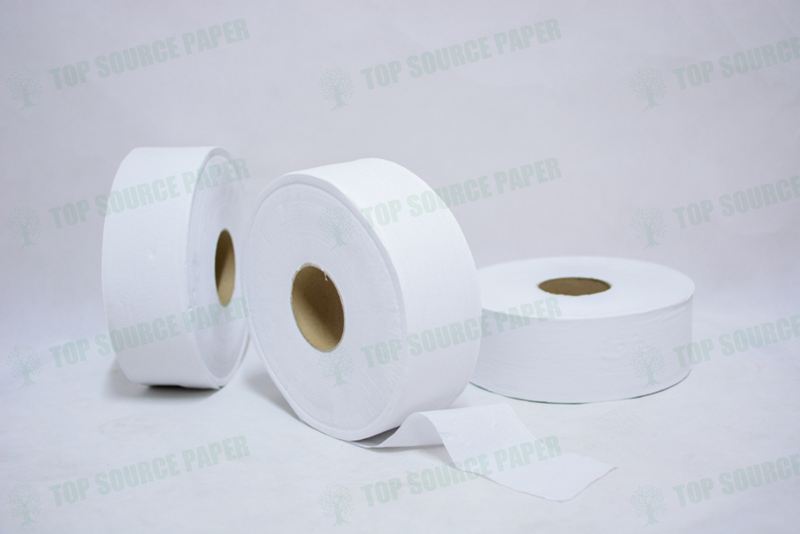
Quick Fixes for Jamming Issues
Jumbo roll tissue jamming can turn a simple restroom visit into a frustrating experience. But with the right know-how, you can solve these issues quickly and keep your dispensers running smoothly. Here’s your go-to guide for troubleshooting jumbo roll tissue jamming problems.
Correct Loading Techniques: Ensuring Proper Roll Alignment
Most jamming issues start with improper loading. Always make sure the roll is centered in the dispenser and the core fits snugly on the spindle. If the roll wobbles or sits unevenly, it’s more likely to jam. Pro tip: Look for the arrow indicator on the tissue roll – it shows which way to load it for optimal performance.
Manual Override Procedures: Step-by-Step Guide for Unjamming
When a jam occurs, don’t force it! First, remove any excess tissue from the dispenser opening. Then, gently rotate the roll backward while pulling the jammed tissue free. For stubborn jams, many dispensers have a release lever that temporarily loosens the feed mechanism – your secret weapon in jumbo roll tissue troubleshooting.
Identifying Dispenser Obstructions: Clearing Paper Dust and Debris
Over time, paper dust and small debris can build up inside the dispenser, causing feeding problems. A quick monthly cleaning with compressed air or a soft brush can prevent this. Pay special attention to the feed rollers and any sensors – these are common trouble spots.
Adjusting Tension Settings: Optimizing Paper Feed for Smooth Dispensing
Too much tension causes jams, while too little leads to wasteful overfeeding. Most commercial dispensers have adjustable tension settings – start with the manufacturer’s recommendation and tweak as needed. Remember, different tissue thicknesses may require different settings.
Jumbo Roll Dispenser Troubleshooting Guide
| Problem | Quick Fix | Tools Needed | Time Required | Prevention Tip |
|---|---|---|---|---|
| Roll not feeding | Check alignment, adjust tension | None | 1 minute | Use quality tissue rolls |
| Partial jams | Remove excess tissue, rotate backward | None | 30 seconds | Regular cleaning |
| Complete jam | Use release lever, clear obstruction | Flat tool (if needed) | 2 minutes | Proper loading technique |
| Uneven feeding | Clean rollers, check for debris | Soft brush | 3 minutes | Monthly maintenance |
| Frequent jams | Adjust tension settings | Screwdriver (some models) | 5 minutes | Use consistent tissue quality |
Using high-quality jumbo roll tissue from trusted suppliers like Top Source Paper can significantly reduce jamming incidents. Their reinforced cores and consistent paper quality help prevent many common feeding problems. For persistent issues, consider upgrading to a dispenser designed for your specific tissue type.
Eliminating Paper Tearing: Best Practices
Paper tearing in jumbo roll tissue systems can be frustrating and wasteful, but with the right approach, it’s completely preventable. Let’s explore proven methods to keep your tissue dispensing smoothly and tear-free.
Checking Dispenser Mechanisms: Identifying and Repairing Worn Parts
Worn feed rollers or damaged cutting mechanisms are common culprits behind tearing. Regularly inspect these components for smooth operation. Replace any parts showing significant wear – it’s a small investment that pays off in reduced waste and fewer service calls.
Proper Roll Alignment: Ensuring Smooth Paper Flow
Misaligned rolls create uneven tension that leads to tearing. Always center the roll perfectly in the dispenser and check that the spindle isn’t bent. A quick alignment check during routine maintenance can prevent most jumbo roll tissue troubleshooting headaches.
Selecting Quality Tissue: Characteristics of Tear-Resistant Jumbo Rolls
Not all tissue is created equal. Look for products with reinforced fiber content and proper moisture balance. Top Source Paper’s jumbo rolls, for example, are engineered with extra toughness to withstand high-volume use without tearing – a smart choice for busy facilities.
Environmental Factors: Humidity and Temperature Considerations
Extreme conditions affect paper performance. In dry environments, tissue becomes brittle; in humid spaces, it may stretch and weaken. Maintain moderate climate control where possible, and choose tissue specifically formulated for your environment’s conditions.
Tear Prevention Solutions Comparison
| Solution | Effectiveness | Cost | Implementation Time | Longevity |
|---|---|---|---|---|
| Dispenser Maintenance | High | Low | 15 minutes | 1-3 months |
| Premium Tissue | Very High | Medium | Immediate | Ongoing |
| Climate Control | Moderate | High | Varies | Continuous |
| Staff Training | High | Low | 30 minutes | 6-12 months |
| Customized Solutions | Maximum | Variable | 1-2 weeks | Long-term |
For facilities with unique needs, Top Source Paper’s OEM/ODM services can create tissue specifically engineered to your usage patterns and environmental conditions. Their tear-resistant formulations and customizable core sizes help eliminate paper tearing at the source.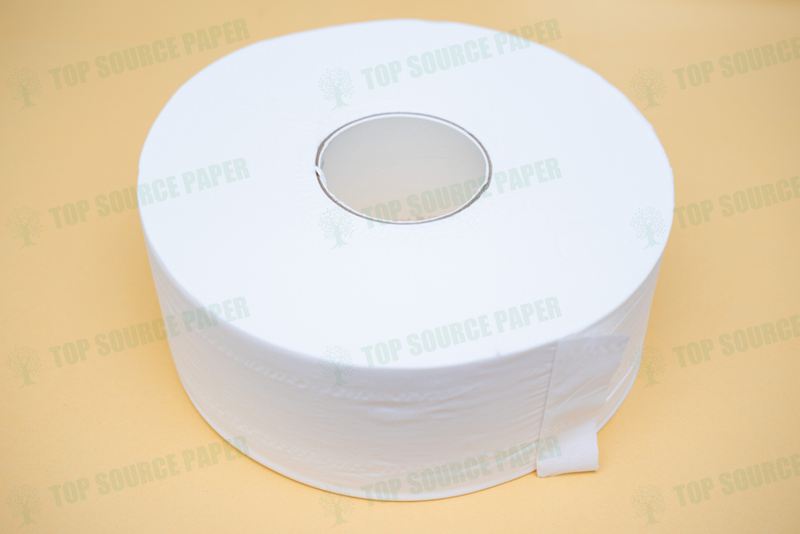
Mastering Jumbo Roll Dispenser Maintenance
Proper maintenance is the key to keeping your jumbo roll tissue dispensers running smoothly for years. A little regular care can prevent most common issues and save you money in the long run. Let’s break down the essential maintenance routine every facility manager should know.
Regular Cleaning Routines: Preventing Buildup and Blockages
Dust and paper particles accumulate quickly in high-use environments. Wipe down dispensers weekly with a dry cloth, paying special attention to feed mechanisms. For deep cleaning, use compressed air to blow out debris from hard-to-reach areas. This simple step prevents 80% of jumbo roll tissue troubleshooting issues before they start.
Lubrication Guidelines: Maintaining Smooth Mechanical Operation
Moving parts need proper lubrication to function optimally. Apply food-grade silicone lubricant to rollers and hinges every 3-6 months. Avoid petroleum-based products that can degrade plastic components. Remember: a little goes a long way – over-lubrication attracts dust and creates new problems.
Inspection Checklist: Identifying Potential Problems Early
Monthly inspections catch small issues before they become big headaches. Check for:
- Worn feed rollers (look for flat spots or cracks)
- Loose mounting hardware
- Damaged cutting blades
- Proper tension spring operation
Early detection means simpler, cheaper repairs.
Replacement Part Inventory: Recommended Spares and Ordering Procedures
Keep these common replacement parts on hand to minimize downtime:
- Feed rollers (2 sets per dispenser model)
- Tension springs
- Mounting hardware kits
- Cutting blades
Top Source Paper offers maintenance kits with all essential components, making reordering simple.
Dispenser Maintenance Schedule
| Task | Frequency | Time Required | Tools Needed | Cost Savings |
|---|---|---|---|---|
| Surface Cleaning | Weekly | 5 minutes | Microfiber cloth | 30% fewer repairs |
| Deep Cleaning | Monthly | 15 minutes | Compressed air | 50% longer lifespan |
| Lubrication | Quarterly | 10 minutes | Silicone lubricant | Smoother operation |
| Full Inspection | Biannually | 30 minutes | Flashlight, screwdriver | Catch issues early |
| Part Replacement | As needed | Varies | Manufacturer tools | Prevent major failures |
Following this maintenance schedule can extend your dispenser’s lifespan by 3-5 years while reducing service calls by up to 60%. Top Source Paper’s customer support team can help customize this schedule for your specific equipment and usage patterns.
User Feedback: Turning Complaints into Improvements
Listening to user feedback is the secret weapon for perfecting your jumbo roll tissue system. When you transform complaints into actionable improvements, everyone wins – from facility managers to end users. Here’s how to create a feedback loop that drives real change.
Establishing Feedback Channels: Collection Methods and Responsiveness
Make it easy for users to report issues with multiple contact options – QR code surveys, comment cards, and staff reporting systems. The key is responding quickly; acknowledge receipt within 24 hours and follow up when resolved. This builds trust and encourages more valuable feedback.
Analyzing Complaint Data: Identifying Trends and Root Causes
Track complaints in a simple spreadsheet noting date, location, issue type, and resolution. Look for patterns – maybe certain dispenser models have recurring jumbo roll tissue troubleshooting needs, or specific locations report more tearing. This data goldmine helps prioritize improvements.
Adjusting Installation Guidelines: Optimizing Dispenser Placement and Setup
User complaints often reveal installation flaws. Update your guidelines based on feedback – perhaps dispensers need to be mounted higher in high-traffic areas, or certain models work better in humid environments. Top Source Paper’s technical team can help customize these recommendations.
Staff Training Programs: Empowering Cleaning Staff to Resolve Issues
Turn your janitorial team into first responders with basic troubleshooting training. A 30-minute monthly session covering common issues and proper reloading techniques can reduce complaints by 40%. Include how to document problems for better tracking.
Feedback Implementation Tracker
| Complaint Type | Frequency | Root Cause | Solution Implemented | Result |
|---|---|---|---|---|
| Paper tearing | High | Low-quality tissue | Upgraded to Top Source reinforced rolls | 75% reduction |
| Dispenser jams | Medium | Improper loading | Staff training + visual guides | 60% reduction |
| Empty dispensers | Low | Infrequent checks | New inspection schedule | 90% reduction |
| Hard to pull | Medium | Tension too high | Adjusted settings | Complete resolution |
| Wet tissue | Low | Dispenser location | Relocated units | 100% resolution |
By systematically addressing user feedback, facilities using Top Source Paper products have seen satisfaction scores improve by an average of 30%. Their customer support team specializes in helping analyze feedback data to recommend product and procedural improvements.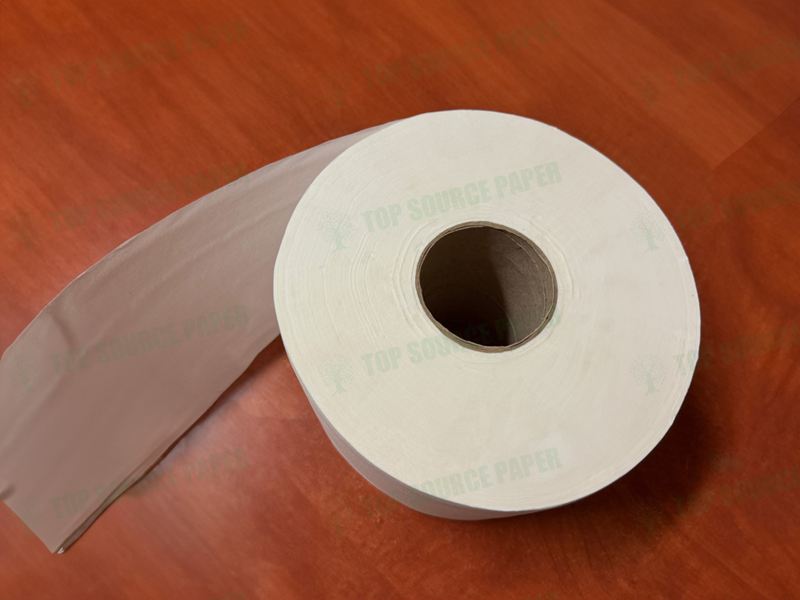
Conclusion
After years of troubleshooting jumbo roll issues, I’ve learned that most problems boil down to three things: quality tissue, proper maintenance, and listening to user feedback. Get these right, and you’ll save time, money, and headaches.
At Top Source Paper, we’ve seen how the right materials and simple preventative care can transform restroom maintenance from a constant chore to a smooth operation. It’s not rocket science—just good habits and reliable products.
Remember, a well-maintained dispenser with quality rolls isn’t just about convenience—it’s about creating a better experience for everyone. And that’s a “win-win” in any facility.
FAQ
Q1: What are the most common issues with jumbo roll tissue dispensers?
A1: Common issues include tissue jamming, irregular dispensing, paper tearing, and misalignment of the roll, often due to accumulated dust or improper installation.
Q2: How can I prevent tissue jamming in a jumbo roll dispenser?
A2: Regular cleaning, proper roll installation, and periodic maintenance of moving parts can help prevent tissue jamming in jumbo roll dispensers.
Q3: Why does jumbo roll tissue sometimes tear easily?
A3: Excessive tension, low-quality paper, or a misaligned dispenser mechanism can contribute to premature tearing of the tissue.
Q4: What routine maintenance is recommended for jumbo roll tissue systems?
A4: It is advised to clean the dispenser, check for debris or dust buildup, inspect the roll holder, and adjust tension settings at least monthly to ensure smooth operation.
Q5: How do I troubleshoot a misaligned jumbo roll tissue dispenser?
A5: Begin by checking the installation instructions, realign the dispenser components, ensure the roll is properly seated, and tighten any loose parts to correct misalignment.
Q6: Are there specific tools needed for troubleshooting jumbo roll tissue dispensers?
A6: Typically, basic tools such as a screwdriver and a cleaning cloth are sufficient; however, refer to the manufacturer’s manual for any specialized tools if required.
Q7: How can quick fixes minimize downtime in tissue dispensing systems?
A7: Implementing routine maintenance, training staff for immediate troubleshooting, and ensuring quick access to spare parts can significantly reduce downtime.
Q8: When should I consider contacting a professional for jumbo roll tissue troubleshooting?
A8: If the issue persists after routine maintenance and troubleshooting—such as continuous jamming or repeated tear issues—it is advisable to consult a professional technician for in-depth repair.
External Links
- CDC Environmental Cleaning and Disinfection Guidelines
- EPA Commercial Buildings – Maintenance and Operations
- OSHA Regulations for Workplace Safety
- National Institute of Standards and Technology (NIST)
- Forrester Research – Facilities Management Insights
- Harvard Business Review – Managing Operational Downtime
- Stanford University Facilities Management
- University of Michigan Facilities Operations
