
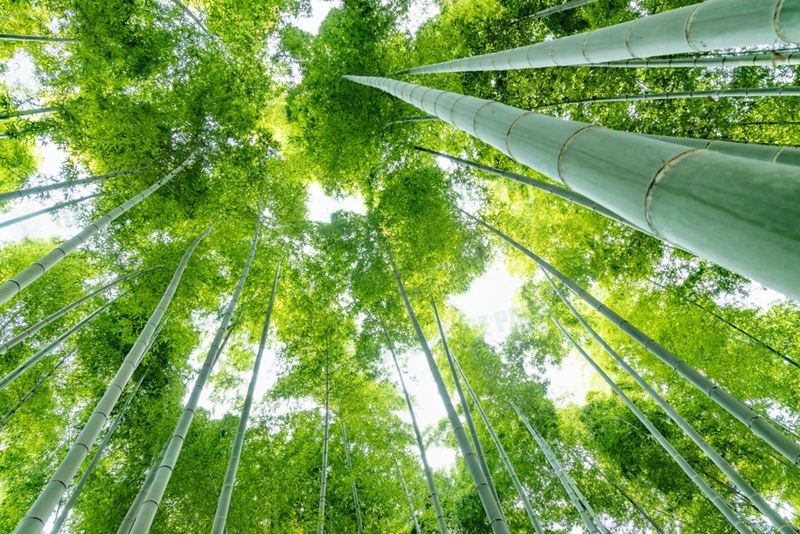
Bamboo private label opportunities are currently reshaping the hygiene industry as retailers move away from low-margin wood pulp products that face volatile price swings and consumer fatigue. Brands that ignore the shift toward sustainable alternatives risk losing market share to competitors who can prove the structural integrity and chemical purity of their inventory. Entering this space requires more than a simple logo; it demands a rigorous vetting process of manufacturing standards to ensure the final product meets both performance expectations and strict safety regulations.
We designed this guide to help you navigate the technical specifications of bamboo sourcing, from analyzing tensile strength compared to virgin wood to verifying chemical-free production methods. We examine the financial metrics that determine ROI and provide a framework for positioning these products within the premium lifestyle segment. You will find specific data on supply chain transparency and the logistical steps needed to build a reliable, high-performing tissue brand.
Why Is Bamboo Toilet Paper Becoming a Consumer Favorite?
By 2026, the transition toward bamboo tissue has moved beyond niche environmentalism into a dominant B2B market strategy, driven by the plant’s rapid 3-5 year regeneration cycle and its naturally superior tensile performance.
Shoppers increasingly prioritize products that minimize their ecological footprint. Unlike traditional timber, which requires decades to mature, bamboo reaches harvestable maturity in a fraction of the time. This rapid growth allows for a sustainable supply chain that does not contribute to permanent deforestation.
Rising Environmental Consciousness and Biodegradability
Bamboo production utilizes significantly less water than conventional timber harvesting. This efficiency appeals to modern consumers who track the water footprint of their household essentials. Furthermore, the material is fully biodegradable, ensuring it disintegrates quickly in septic systems and reduces long-term waste in municipal landfills.
- Bamboo consumes significantly less water during production compared to conventional timber sources.
- The material is fully biodegradable, which helps reduce long-term waste in landfill systems.
- Manufacturers like Top Source Hygiene utilize FSC-certified materials to meet the rising demand for verified sustainable goods by 2026.
Regulatory Shifts and Plastic-Waste Reductions
Stricter international policies are reshaping the retail landscape. New plastic-waste regulations across North America and Europe encourage retailers to stock paper-packaged bamboo alternatives rather than plastic-wrapped wood pulp products. E-commerce platforms have also scaled their distribution networks, making bamboo tissue accessible in regional markets that were previously underserved.
- New plastic-waste regulations in North America and Europe encourage retailers to stock paper-packaged bamboo alternatives.
- E-commerce platforms are scaling distribution, making bamboo tissue accessible in previously underserved regional markets.
- Top Source Hygiene supports this shift by providing OEM services that comply with global FDA and EU hygiene standards.
Hypoallergenic Properties and Skin Health
Bamboo fibers offer natural benefits that appeal directly to health-conscious households. The smooth, long-fiber structure of bamboo is naturally hypoallergenic, making it a preferred choice for consumers with sensitive skin. Modern manufacturing ensures that these products remain free from harsh chemicals, maintaining a pure and safe profile for everyday use.
- The natural structure of bamboo is hypoallergenic, making it suitable for consumers with sensitive skin.
- Avanzato manufacturing processes ensure the paper remains free from fluorescent whiteners and harsh chemicals.
- Quality control teams use specialized testing to maintain high levels of softness and absorbency for premium brand positioning.
Market Growth Projections for 2026
Scaling production and increased consumer demand are stabilizing prices for mainstream adoption. While bamboo once commanded a significant premium, improved manufacturing efficiencies are bridging the pricing gap between bamboo and standard virgin wood pulp. Large-scale facilities now produce massive monthly volumes to support the needs of bulk commercial buyers and global distributors.
- Alternative fibers, including bamboo, expect a growth rate of 4.98% through 2031 as production costs normalize.
- Large-scale facilities, such as those producing 2,860 tons monthly, help lower the unit price for bulk commercial buyers.
- Improved manufacturing efficiencies by 2026 will likely bridge the pricing gap between bamboo and standard virgin wood pulp.
How Does Bamboo Strength Compare to Traditional Wood Pulp?
Bamboo fibers provide a robust structural foundation characterized by high cellulose levels that rival or exceed the tensile durability of traditional softwood pulp.
Fiber Morphology and Tensile Durability
The inherent strength of bamboo originates from its unique fiber morphology. These fibers are naturally longer, smoother, and more porous than many wood-based counterparts. High cellulose concentrations allow for the production of thinner tissue sheets that maintain structural integrity under stress. Laboratory tests indicate that bamboo-based tissues resist tearing and pilling better than short-fiber hardwood alternatives, which often crumble or shred during use.
- Superior tensile strength ensures that 2026 manufacturing standards can achieve high-wet-strength durability without excessive chemical additives.
- The fiber structure supports precision perforation, allowing for a clean tear that prevents the “shredded edges” common in low-tier paper.
- Enhanced absorbency allows users to utilize fewer sheets per visit, effectively extending the lifespan of each roll.
Growth Cycles and Material Availability
The rapid regeneration of bamboo provides a significant advantage for supply chain stability. While traditional timber sources take 40 to 60 years to reach maturity, bamboo is ready for processing in just 3 to 5 years. This efficiency allows manufacturers like Top Source Hygiene to stabilize raw material costs against the fluctuating prices of the global timber market.
| Performance Metric | Bamboo Pulp | Pulp di legno vergine |
|---|---|---|
| Growth Cycle | 3–5 Years | 40+ Years |
| Fiber Length | Long & Smooth | Mixed (Short/Long) |
| Tensile Strength | Very High | Alto |
| Absorbency Rate | 30% Higher | Standard Baseline |
Processing Requirements and Product Softness
Transforming rigid bamboo into a product that matches the “cloud-like” softness of premium virgin wood pulp requires advanced refining techniques. Specialized mechanical treatments break down the tough fibers into the delicate texture required for luxury hospitality standards. While these production costs currently remain 10-15% higher than standard pulp, the resulting material is naturally hypoallergenic and free from the short-fiber lint often found in recycled alternatives.
Blended Pulp Strategies for Optimized Performance
Strategic manufacturers often employ hybrid pulp blends to maximize both performance and marketability. By combining bamboo for its structural reinforcement with virgin wood pulp for maximum surface softness, we create a tissue that balances strength with tactile comfort. This approach allows brands to meet eco-conscious demands while maintaining the competitive price points of traditional paper.
- Hybrid blends leverage the 30% lower carbon footprint of bamboo alongside the consistent quality of premium wood pulp.
- Customized fiber ratios can be adjusted to meet specific regional plumbing standards and disintegration requirements.
- These blends facilitate a smooth transition for consumers accustomed to the plush feel of high-end traditional tissue brands.
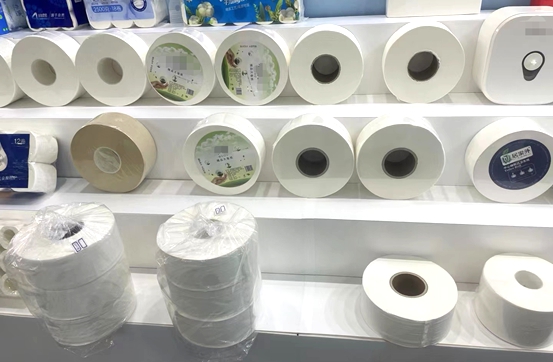
Premium Jumbo Rolls at Factory-Direct Prices
What Are the Marketing Angles for a Sustainable Bamboo Brand?
Effective marketing in the bamboo sector requires moving beyond generic environmental claims to create identity-driven narratives that justify a premium price point through verified transparency.
Authentic Sustainability Storytelling and Value-Driven Narratives
Modern consumers in 2026 demand more than surface-level “verde” labels. Effective brands connect with eco-conscious shoppers by sharing the specific journey of the product, from the bamboo groves to the final roll. This storytelling emphasizes the brand’s role in supporting rural livelihoods and protecting fragile ecosystems, creating an emotional bridge that simple commodity marketing lacks.
- Shift focus from generic environmental claims to specific narratives highlighting long-term sustainability missions.
- Use educational content to bridge the gap between consumer awareness and purchasing intent.
- Engage buyers by detailing the impact on local artisans and regional biodiversity.
Aspirational Lifestyle Integration for Modern Consumers
Positioning bamboo paper as a lifestyle choice helps elevate it from a basic household commodity to a statement of personal identity. Brands succeed when they place their products in curated settings, such as minimalist workspaces or high-end eco-hospitality venues. This strategy targets urban demographics by aligning the brand with modern aesthetic trends like sustainable home decor and “coffee shop” minimalism.
- Create visually appealing content that showcases bamboo products in high-end, real-world settings.
- Utilize social media engagement to make bamboo usage part of a shared group identity.
- Target urban professionals who prioritize aesthetics alongside environmental ethics.
Purpose-Driven Positioning and Plastic-Free Alternatives
Focusing on functional eco-benefits transforms paper products into tools for active environmental stewardship. Highlighting biodegradability and plastic-free packaging appeals directly to purpose-conscious consumers who want to eliminate waste from their daily routines. Brands should market bamboo toilet paper as a superior alternative to wood pulp by focusing on its rapid regenerability and significantly lower water usage during growth.
- Emphasize plastic-free packaging to capture the attention of zero-waste enthusiasts.
- Position products as values-aligned accessories rather than just functional household items.
- Highlight the 30% reduction in carbon emissions compared to virgin wood pulp to provide empirical proof of impact.
Supply Chain Transparency and Certification Verification
Building consumer trust through verifiable data helps justify higher price points and fosters long-term brand loyalty. Displaying prominent third-party certifications like FSC (Forest Stewardship Council) and Fair Trade provides immediate proof of ethical manufacturing. Quality and fiber durability serve as long-term value propositions, reassuring the buyer that they are investing in a product that does not compromise performance for the sake of sustainability.
- Showcase certifications like FSC and ISO 14001 to provide immediate manufacturing credibility.
- Maintain clear communication across distribution channels regarding chemical-free production and raw material sourcing.
- Highlight the natural strength of bamboo fibers as a durability benefit that offsets the initial cost.
Is the ROI Higher for Bamboo Tissue Compared to Virgin Wood?
While bamboo toilet paper carries a 10–15% higher manufacturing cost than virgin pulp, the ability to command 20–30% retail markups and 88% gross margins makes it a more profitable long-term asset for premium brand owners.
Measuring ROI in the tissue industry requires a look at both immediate unit costs and the broader market markup potential. Bamboo tissue currently involves medium-to-high upfront production expenses because the processing technology for bamboo fiber is more specialized than traditional timber milling. Virgin wood rolls provide higher fiber density, which often makes them more cost-effective on a per-100-sheets basis for high-volume distributors. For high-traffic commercial environments where the budget is the primary driver, recycled tissue remains the most economical option despite its lower tactile quality.
| Tipo di materiale | Production Cost Index | Average Retail Markup |
|---|---|---|
| 100% Virgin Wood Pulp | Medio | 10% – 15% |
| Bamboo Pulp | Medio-alto | 20% – 30% |
| Fibra riciclata | Basso | 5% – 10% |
Sustainability Metrics as Brand Value Drivers
Sustainability metrics directly influence long-term financial returns by allowing brands to differentiate themselves in a crowded market. Bamboo production generates 30% lower greenhouse gas emissions and requires 30% less water than virgin pulp processing. The rapid regeneration cycle of 3–5 years creates a consistent supply chain that does not require the intensive replanting associated with traditional forestry. These environmental advantages appeal strongly to eco-conscious retail segments in Europe and North America, where consumers willingly pay a premium for verified sustainability.
- 30% reduction in water usage during the growth phase compared to trees.
- Carbon sequestration levels are significantly higher in bamboo groves than in industrial timber forests.
- Zero-replanting requirements reduce long-term agricultural labor costs and land degradation.
Performance Trade-offs and Market Positioning
Market positioning relies on balancing tactile performance with price premiums. Virgin wood pulp maintains a functional advantage in softness and tensile strength, making it the preferred choice for luxury hospitality. Top Source Hygiene utilizes 100% virgin wood pulp to secure a 20% increase in guest satisfaction scores for hotel clients who prioritize a lint-free, cloud-like experience. While bamboo products command higher prices in niche, plastic-free lifestyle markets, they must overcome the perception of being less “plush” than premium wood-based alternatives.
Investors and brand owners should view bamboo as a lifestyle upgrade rather than a commodity. By focusing on chemical-free processing and design-forward packaging, brands can achieve operational break-even within 14 months. The profitability of bamboo rests on its identity as a values-aligned accessory, whereas virgin wood pulp remains the undisputed king of performance and cost-per-sheet efficiency for mass-market distribution.
How to Ensure Your Bamboo Supply Is Truly Chemical-Free?
Verifying the chemical integrity of a bamboo supply chain requires moving beyond marketing claims and auditing specific fiber extraction methodologies alongside third-party safety certifications.
Mechanical Extraction vs. Chemical Viscose Processing
Distinguishing between the methods used to break down bamboo fibers is the first step in verifying a chemical-free product. Mechanical extraction uses physical crushing and natural enzymes to create bamboo pulp without toxic solvents. This labor-intensive process maintains the fiber’s natural integrity and its inherent antimicrobial properties. In contrast, traditional chemical processing—specifically the viscose method—uses carbon disulfide and sulfuric acid. These chemicals often leave trace residues and create environmental hazards during discharge.
| Extraction Method | Chemical Profile | Safety Outcome |
|---|---|---|
| Mechanical Crushing | Zero toxic solvents; Natural enzymes only | Maximum skin safety; Retains antimicrobial traits |
| Closed-Loop Lyocell | 98% solvent recovery and reuse | Low environmental impact; Residue-free tissue |
| Viscose Processing | Carbon disulfide and sulfuric acid | Potential trace residues; High pollution risk |
Closed-Loop Lyocell Production Standards
Advanced manufacturing systems minimize environmental impact and chemical exposure through resource recycling. Closed-loop lyocell systems recycle up to 98% of the organic solvents used during the pulp-to-fiber transition. This process prevents the discharge of harmful chemicals into the environment, aligning with 2026 global sustainability goals. Manufacturers utilizing these systems provide a safer alternative for consumers with sensitive skin or chemical allergies, ensuring the final tissue is free from synthetic irritants.
Verification Through International Safety Certifications
Third-party audits provide objective proof that bamboo products meet rigorous health and safety standards. The OEKO-TEX Standard 100 certification confirms the bamboo tissue contains no harmful levels of over 100 regulated substances, including formaldehyde and pesticides. FSC certification ensures the raw bamboo comes from responsibly managed forests rather than unregulated sources. Top Source Hygiene maintains ISO 9001 and FDA compliance to guarantee that all products, including virgin wood and bamboo blends, remain 100% OBA-free, meaning no fluorescent whiteners are used.
Rigorous Batch Testing and Traceability
Ongoing quality control measures prevent cross-contamination during large-scale manufacturing. Regular laboratory testing for fluorescent agents and heavy metals ensures consistency across high-volume production runs. Transparent supply chain documentation allows brands to trace the bamboo from the harvest site to the final packaged product. Suppliers with decades of experience, such as Top Source Hygiene, implement strict factory-level protocols to eliminate impurities before shipping, protecting the brand’s reputation and consumer health.
How to Position Bamboo Paper as a Luxury Lifestyle Choice?
Luxury positioning in 2026 shifts bamboo tissue from a commodity to a high-margin home accessory by leveraging superior fiber morphology and design-forward aesthetics for the premium market.
Design-Focused Packaging and Visual Identity
Standard toilet paper branding often focuses on bulk and price, but luxury positioning requires a shift toward visual appeal and home integration. High-end brands treat the product as a bathroom accessory rather than a hidden utility. We recommend utilizing minimalist, design-forward packaging that aligns with modern interior trends, replacing loud grocery store graphics with sophisticated visual identities.
- Adopt matte finishes and muted color palettes to signal premium status.
- Utilize individual recycled paper wraps for each roll to enhance the unboxing experience.
- Design packaging to be display-worthy, complementing high-end bathroom and kitchen decor.
- Ensure the tactile quality of the outer wrap mirrors the softness of the bamboo tissue inside.
Natural Fiber Integrity and Chemical-Free Purity
The affluent 2026 consumer segment prioritizes health and skin safety above all else. Bamboo fibers are naturally longer and smoother than traditional wood pulp, providing a structural softness that does not require synthetic softeners. Brands must lead with the “purity” narrative, emphasizing the total absence of harsh processing agents like elemental chlorine or fluorescent whiteners.
- Market the inherent tensile strength of bamboo as a functional upgrade over recycled or wood-based alternatives.
- Highlight 100% OBA-free (Optical Brightening Agent) guarantees for sensitive skin.
- Target health-conscious demographics by promoting hypoallergenic properties.
- Frame the mechanical or closed-loop production process as a commitment to purity.
Ethical Certifications and Supply Chain Transparency
Luxury status is now intrinsically tied to verifiable ethics. Consumers in the premium bracket demand proof that their purchases do not contribute to environmental degradation. By sharing the specific origin of the bamboo and maintaining rigorous certifications, brands build the trust necessary to sustain higher price points.
- Display FSC (Forest Stewardship Council) certifications to validate responsible forest management.
- Communicate the carbon sequestration benefits of bamboo compared to traditional timber.
- Provide transparency regarding manufacturing standards, including ISO 9001 compliance.
- Connect product sales to specific environmental impact metrics, such as plastic waste reduction.
Tailored Specifications for High-End Market Segments
To command a premium, the physical product must outperform standard offerings in every tactile metric. This involves moving beyond the common 2-ply or 3-ply structures found in retail and offering dense, plush specifications tailored for luxury hospitality and high-net-worth households.
- Offer 4-ply and 5-ply options for a substantial, ultra-plush hand-feel.
- Adjust GSM (grams per square meter) to ensure durability and high absorbency.
- Utilize custom embossing patterns via OEM/ODM services to create a unique brand signature.
- Control distribution through curated subscription models and boutique retail channels to maintain exclusivity.
Conclusione
Building a successful bamboo tissue brand requires balancing high-purity material sourcing with efficient supply chain logistics to maintain profitability. Selecting OBA-free, chemical-free fibers ensures your products meet international safety standards while catering to the growing luxury eco-market. This strategic approach secures long-term brand stability and customer loyalty within a competitive hygiene sector.
Review your current sourcing requirements to determine if a direct factory partnership fits your brand’s expansion goals. Contact our team to request technical specifications or a sample pack for your next 40HQ container order.
Frequently Asked Questions
How to start a bamboo toilet paper brand?
To launch a bamboo toilet paper brand, start by identifying a unique market niche, such as premium eco-luxury or plastic-free subscription services. You must source a reliable OEM (Original Equipment Manufacturer) that holds FSC (Forest Stewardship Council) certification to ensure sustainable harvesting. Develop cohesive branding and eco-friendly packaging, then establish a distribution strategy focusing on e-commerce platforms and direct-to-consumer (DTC) models to maximize initial reach.
Is bamboo paper more profitable?
Bamboo paper offers strong profit potential within the premium “verde” sector. While production costs are currently higher than conventional pulp, the market is expanding with a projected 4.98% CAGR through 2031. As manufacturing scales and consumer demand for sustainable alternatives increases, pricing competitiveness improves. Brands often achieve higher margins by positioning bamboo as a high-value, hypoallergenic, and environmentally superior alternative to traditional options.
Why is bamboo toilet paper trendy?
Bamboo toilet paper has become trendy due to a global shift toward conscious consumerism and stricter regulations on plastic waste. It appeals to eco-aware buyers because it is biodegradable, uses significantly less water than wood pulp during production, and often features aesthetic, plastic-free packaging. Its hypoallergenic properties and association with “zero-waste” lifestyles make it a popular choice for modern, sustainable households.
How to find a bamboo tissue factory?
The most effective way to find a bamboo tissue factory is through global B2B marketplaces like Alibaba or by attending international trade shows such as the Canton Fair. When vetting suppliers, prioritize those located in bamboo-rich regions (like Sichuan, China) and strictly verify their certifications, specifically FSC, ISO 9001, and BSCI audit reports, to ensure they meet international quality and labor standards.
Is bamboo paper softer than recycled?
Yes, bamboo paper is generally softer than recycled paper. Bamboo fibers are naturally longer and smoother, which creates a more supple and luxurious feel compared to the shorter, coarser fibers found in recycled wood pulp. While recycled paper often requires chemical softeners to achieve a comfortable texture, bamboo maintains a natural softness and higher tensile strength.
What are the benefits of bamboo toilet paper?
Bamboo toilet paper offers numerous environmental and personal benefits, including rapid biodegradability, hypoallergenic properties, and a significantly lower water footprint than conventional wood-based paper. It is highly absorbent and strong, often produced without harsh bleaching chemicals like chlorine. Furthermore, because bamboo is a fast-growing grass rather than a tree, it is a highly renewable resource that helps combat deforestation.
